A practical guide to interpreting World Cup odds movement, separating real team-news signals from noise, and keeping bets inside a fixed plan.

How to Read World Cup Odds Movement Without Chasing The Market

World Cup odds movement can look more important than it really is. A price shortens, a favourite becomes more expensive, and suddenly the market feels as if it knows something. Sometimes it does. Just as often, the move is a mix of public money, low early limits, stale prices being corrected and ordinary uncertainty before official team news.
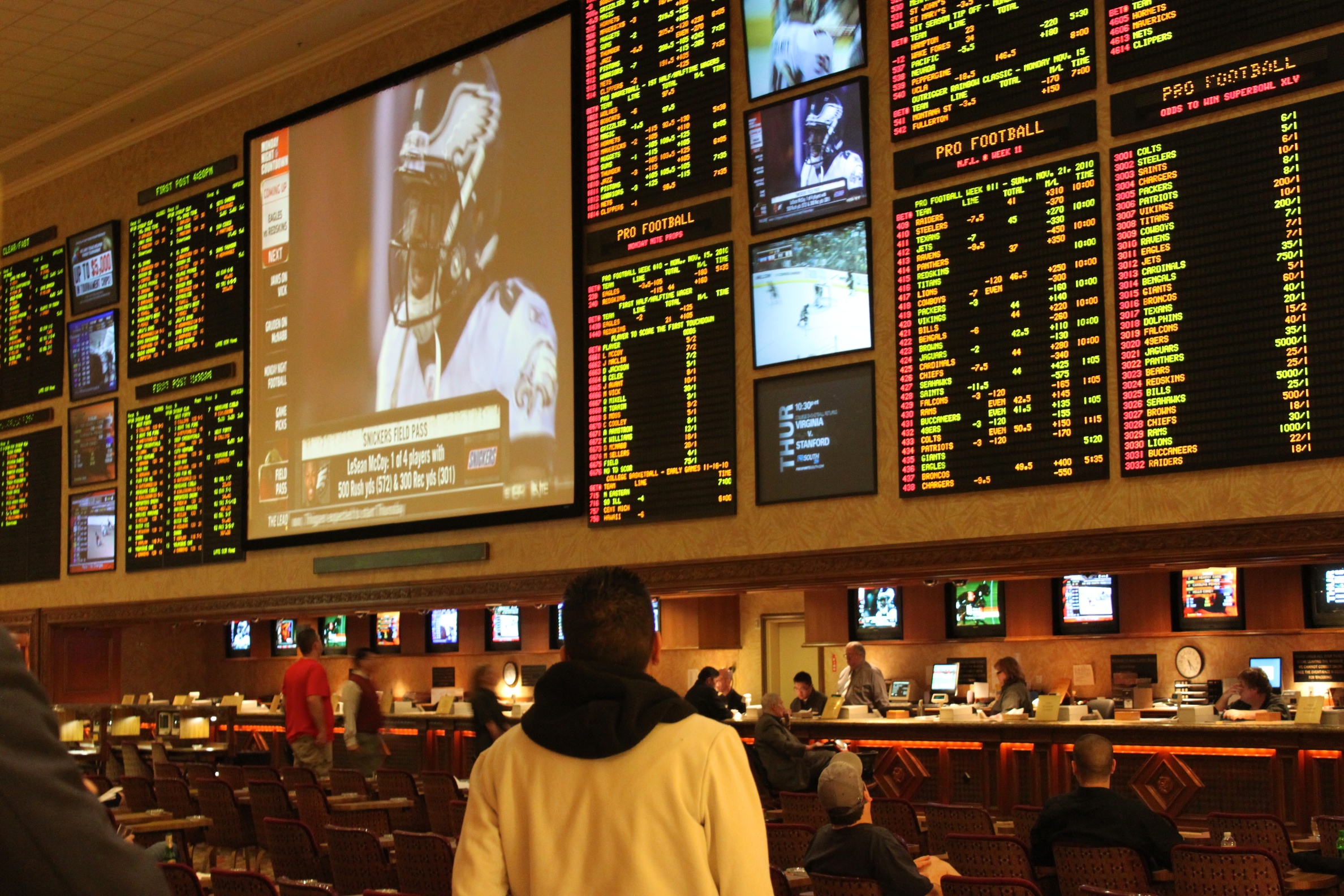
The right reaction is not to chase every shortening price. It is to ask what changed, whether that change affects the match more than the new odds imply, and whether the bet still fits the budget you set before the tournament. TopGamb's World Cup betting budget guide starts with that point because the schedule can push people into daily decisions before they have a plan.
First Ask What Kind Of Move It Is
Not every market move carries the same information. A move after a confirmed injury, suspension or official lineup is different from a move caused by early opinion in a thin market. The first has a clear football reason. The second may only show that one book adjusted faster than another.
Before treating a move as meaningful, check the timing. Did the price change after a federation announcement, a credible team-news report, an official lineup, weather information or a fixture-context update? Or did it happen during a quiet period when casual bettors were backing a familiar team name?
For World Cup matches, confirmed facts matter more than rumours. Official lineups usually arrive close to kickoff. Until then, even reliable previews are working with probability rather than certainty. A player may be training but not fit to start. A coach may rotate because of travel, heat, group position or knockout risk. The market can price those possibilities, but it cannot remove uncertainty.
Convert The Price Before You React
The easiest way to slow yourself down is to translate the odds into implied probability. If a team moves from 2.00 to 1.80 in decimal odds, the implied probability has shifted from 50% to about 55.6% before margin. That is a meaningful move, but it also means you now need a stronger case to bet than you did at the earlier price.
This is where many bettors make the wrong decision. They see the lower price as proof that the bet is safer. In reality, a lower price means the payout is smaller and the bet needs to win more often to break even. If you liked a side at 2.00 because you thought it won 54% of the time, the same side at 1.80 may no longer be value.
Draw-no-bet, Asian handicap and totals markets can move in quieter ways. A draw-no-bet price may shorten because the outright win price moves, because the draw is being repriced, or because traders expect a low-scoring game. TopGamb's draw-no-bet explainer is useful here because it shows why a refund condition still has a price.
When A Move Is Worth Respecting
Respect a move more when it is tied to a specific piece of information and appears across multiple books. A starting goalkeeper ruled out, a suspended centre-back confirmed, a heavy rotation after qualification, or a late weather issue can all justify a real shift. Even then, the question is whether the new number has overcorrected.
Be more sceptical when a popular team shortens without fresh information. World Cup markets attract casual money, national bias and narrative betting. Big-name teams often become more expensive near kickoff because more people want to back them, not because their actual chance has improved.
Live betting makes the same problem faster. A team starts brightly, wins two corners and the price moves. That does not automatically mean the pre-match analysis was wrong. It may mean the market is reacting to tempo, field position and early pressure. If you do not already know what live signal you are waiting for, the screen can turn into a chase.
A Simple Rule For Tournament Betting
Write down the price you needed before the matchday noise begins. If the market moves past that number, let it go unless new verified information changes your assessment enough to justify the shorter price. Missing a bet is not a loss.
That rule protects both your bankroll and your judgement. It also keeps accumulators under control. A four-leg bet built from prices that have all shortened may feel like following smart money, but it can also mean accepting four worse prices than your original plan allowed.
Use fixed stakes, keep live betting separate from pre-match betting, and set a stop rule before kickoff. If you are increasing stakes because a price moved against you or because a previous bet lost, stop for the day. Gambling should stay inside an entertainment budget, not become a recovery plan.
Quick Answers
Does odds movement mean a bet is more likely to win?
Not by itself. It means the market price changed. The reason for the change matters more than the movement.
Should I follow steam in World Cup betting?
Only if you can identify the information behind it and still believe the new price is fair. Blindly chasing steam usually means taking worse odds.
What is the safest response to a late team-news move?
Pause, confirm the source, convert the new price into implied probability and decide whether the bet still fits your prewritten staking plan.


New Casino

Welcome bonus: List of Parimatch Casino Bonuses

Welcome bonus: 200% up to C$500 + 100 FS

Welcome bonus: 100% up to C$2,000 + 50 FS

Welcome bonus: 100% up to C$750 + 50 FS

Welcome bonus: 200% up to C$1,404 + 100 FS

Welcome bonus: 100% up to EUR500 + 100 FS
Recent news


