Implied probability turns betting odds into a percentage, helping players compare prices, margins and whether a bet is worth considering.

Implied Probability Explained For Betting Odds

Implied probability is the percentage chance hidden inside a betting price. If decimal odds are 2.00, the implied probability is 50%. If the odds are 1.50, the implied probability is 66.7%. The idea is simple, but it changes how you read every betting market.
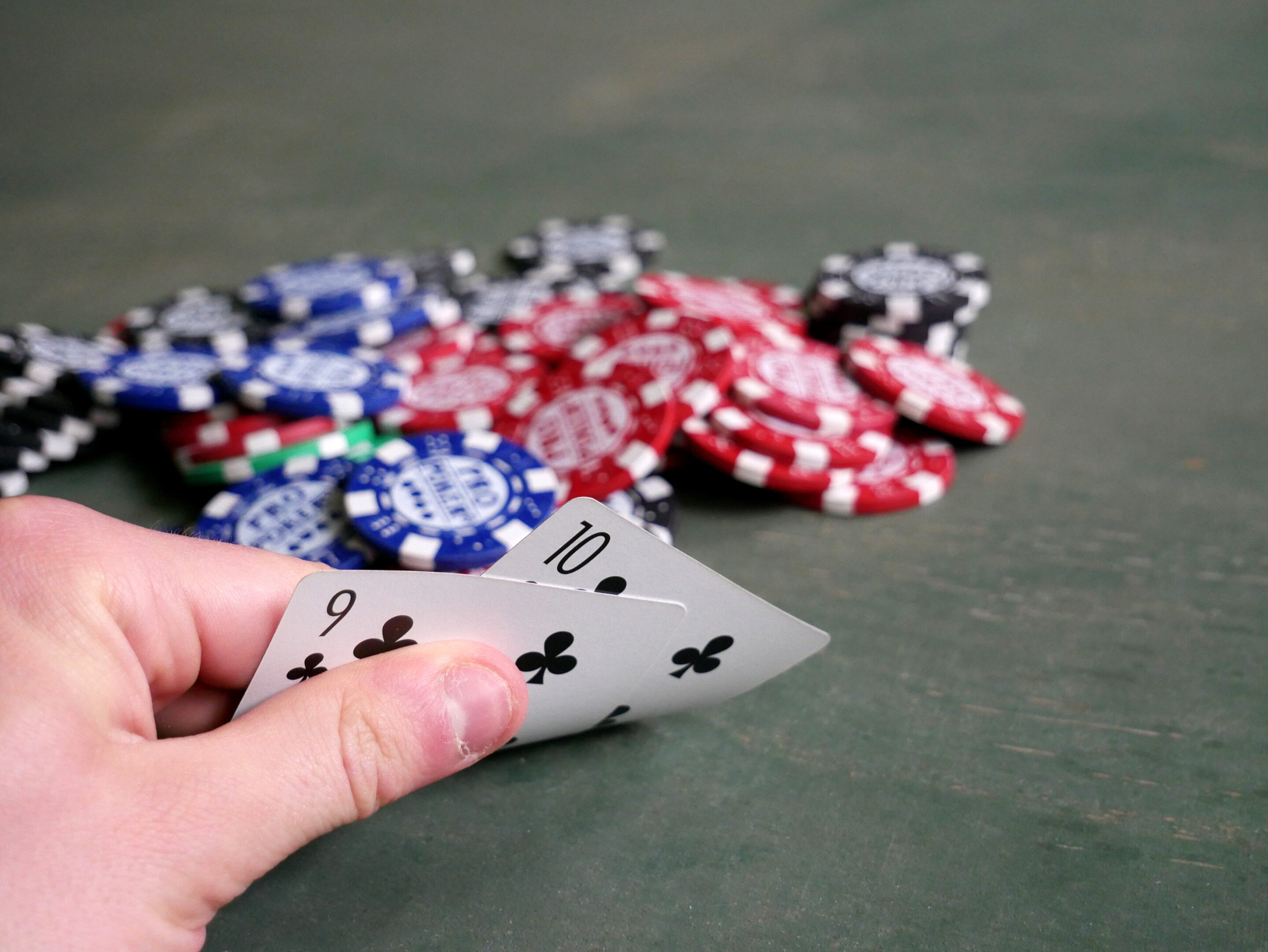
Odds are not just possible payouts. They are the bookmaker's price for risk, demand and margin. Converting that price into a percentage helps you ask the only question that matters: do I think this outcome happens more often than the price suggests?
Decimal Odds
Decimal odds are the easiest format to convert:
implied probability = 1 / decimal odds x 100
At 2.50, the calculation is 1 / 2.50 x 100, which equals 40%. At 1.80, it is 55.6%. At 4.00, it is 25%.
This does not mean the outcome will happen 40%, 55.6% or 25% of the time in real life. It means the price is asking you to accept that break-even point before bookmaker margin and your own analysis.
Fractional And American Odds
Fractional odds can be converted like this:
denominator / (numerator + denominator) x 100
For 3/1, the calculation is 1 / (3 + 1) x 100, or 25%. For 5/2, it is 2 / (5 + 2) x 100, or 28.6%.
American odds need two formulas. For positive odds, use:
100 / (American odds + 100) x 100
+200 becomes 33.3%. +150 becomes 40%.
For negative odds, use:
absolute odds / (absolute odds + 100) x 100
-150 becomes 60%. -200 becomes 66.7%.
The Bookmaker Margin
If you convert every outcome in a market and add the percentages together, the total will usually be more than 100%. That extra percentage is the bookmaker's margin, sometimes called the overround.
A simple football 1X2 market might show the home team at 2.00, the draw at 3.40 and the away team at 4.20. The implied probabilities are 50%, 29.4% and 23.8%. Added together, they make 103.2%. The extra 3.2 percentage points represent the built-in margin before any player judgement.
This is why comparing prices matters. A small difference in odds can be the difference between a market that is only interesting and a market that is worth serious consideration. The same logic applies to draw-no-bet and Asian handicap markets, where the refund or handicap condition changes the price you should demand.
Using Implied Probability Without Fooling Yourself
The calculation is useful, but it is not a prediction machine. If a team is priced at 60%, you still need football reasons to believe the true chance is higher. If a slot promotion advertises a large bonus, probability work does not remove wagering rules, game weighting or loss risk.
The better use is discipline. Convert the price before staking, decide what percentage you think is fair, and avoid raising stakes because you feel certain. No odds format turns uncertainty into a guarantee.
For World Cup betting, implied probability also helps when a market moves. A favourite shortening from 1.90 to 1.65 has not become "safer" in a useful betting sense unless your estimate moved too. The break-even point has risen from 52.6% to 60.6%, so the bet now asks more from your analysis.
Common Questions
What is implied probability in betting?
It is the win percentage represented by a betting price. It shows the break-even chance before margin and personal judgement.
Is a lower-odds bet safer?
It may be more likely to win, but it also pays less and needs a higher win rate to break even.
Can implied probability help with responsible gambling?
Yes, if it slows decisions down. Convert the price, keep stakes fixed, and do not treat a high probability as permission to chase losses.


New Casino

Welcome bonus: List of Parimatch Casino Bonuses

Welcome bonus: 200% up to C$500 + 100 FS

Welcome bonus: 100% up to C$2,000 + 50 FS

Welcome bonus: 100% up to C$750 + 50 FS

Welcome bonus: 200% up to C$1,404 + 100 FS

Welcome bonus: 100% up to EUR500 + 100 FS
Recent news


