A practical guide to signing the ticket, copying records, checking claim rules, avoiding publicity pressure and keeping a lottery win safer.

Before Claiming a Big Lottery Win, Slow Down the Privacy Decision

A big lottery win creates two separate problems. The first is proving the prize. The second is controlling who knows about it. Most players think about the money first, but privacy is often the decision that has to be protected immediately.
The practical start is boring and important: sign the ticket, photograph the front and back, store it safely, and read the official claim rules before telling more people. The Virginia Lottery tells winners to sign the back of a ticket and warns that a ticket is a bearer instrument. That is the kind of detail that matters more than posting a reaction online.
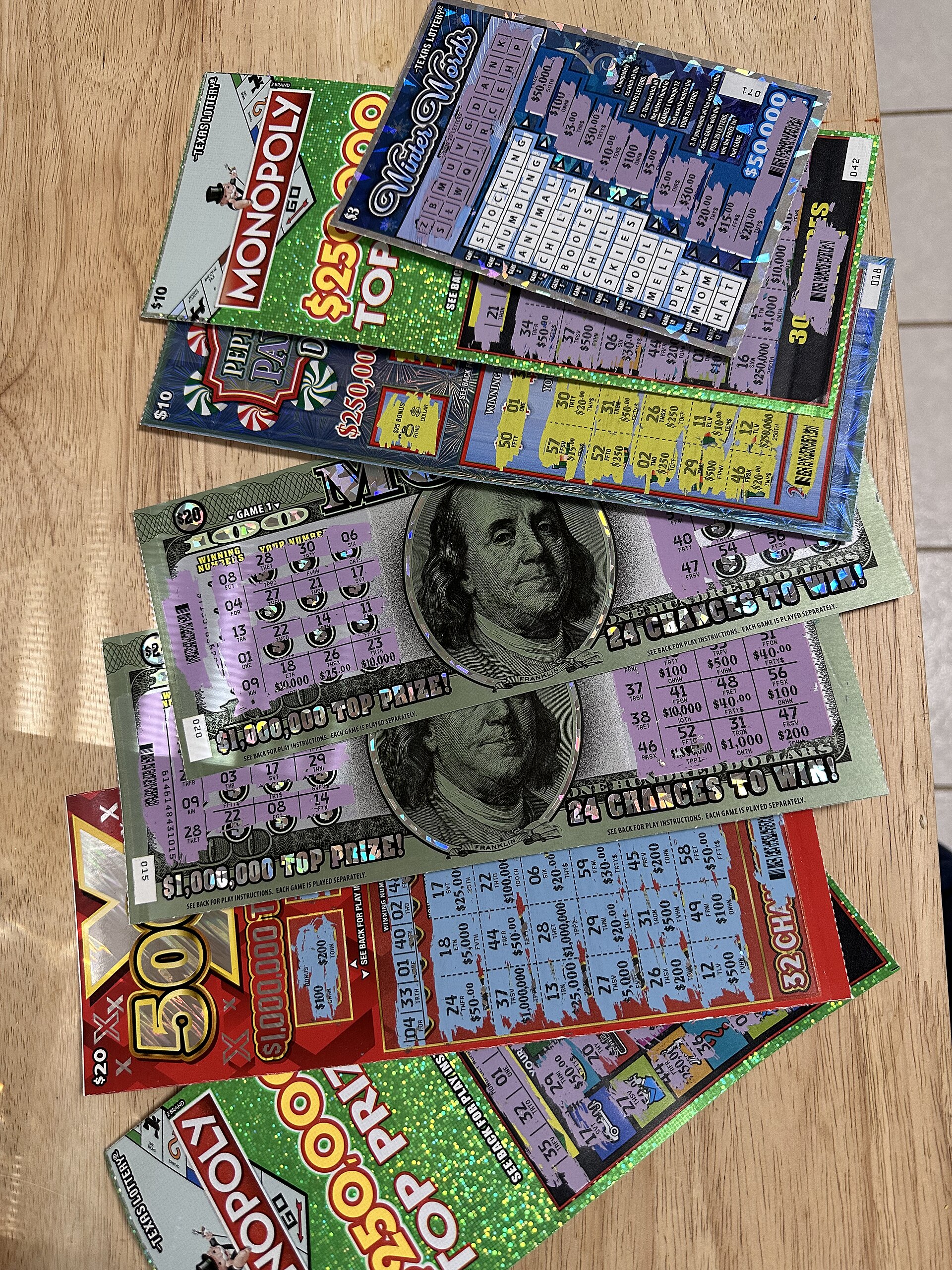
Make the first circle small
Before a prize is claimed, the safest circle is usually small: the winner, one trusted person if needed, and a qualified adviser for a large prize. The more people who know before the claim is filed, the harder it becomes to control pressure, screenshots, rumours and informal requests for money.
Virginia’s July 1, 2026 anonymity change is a good reminder that publicity should not be automatic. Casino.org and GamblingNews both reported that the state no longer publishes names, hometowns, prize amounts or photos without written permission. That does not mean every jurisdiction works the same way. It means the player should check the exact local rule before assuming privacy is available.
Use the same cautious approach that works in other gambling records. TopGamb’s guides on account ownership, withdrawal records, KYC checks, source-of-funds questions and online gambling safety all point to the same habit: keep proof before there is a dispute.
Do not let publicity feel mandatory
A winner photo may look harmless. It can also attach a name, face, location and amount to search results for years. If the lottery, retailer, relatives or local media ask for a celebration shot, treat it as a separate decision, not part of the payout. Written consent should be read slowly, especially if the prize is large enough to change personal security.
For a smaller prize, privacy may still matter. A few thousand dollars can attract pressure inside a workplace or family. A six-figure win can invite strangers. A jackpot can create professional and personal risks that the winner has never handled before. The size changes the advice, but it does not remove the need to pause.
Claim rules can also include deadlines, tax withholding, debt setoff and identity-document requirements. Virginia’s official page says players must claim within 180 days, and prizes above $600 are reported to tax agencies. Those steps are not reasons to rush into public attention. They are reasons to organize the claim carefully.
Keep gambling separate from the win
A lottery win can make future gambling feel less risky because the account or bank balance looks larger. That is a mistake. A prize is not a new bankroll unless the winner deliberately budgets entertainment money after tax, debt and household needs are handled. The National Council on Problem Gambling and Responsible Gambling Council both emphasize that gambling should not be used as a money solution.
If the win creates an urge to buy more tickets, move into casino play or place larger sports bets, set a break before gambling again. Privacy protects the story around the prize. A responsible budget protects the prize itself.
Further Reading
- Virginia Lottery: How to claim a prize
- Casino.org: Virginia Lottery changes rules to let all winners stay anonymous
- National Council on Problem Gambling: responsible gambling
- Responsible Gambling Council: safer gambling tips
Reader Questions
Should I tell people before claiming a lottery prize?
Keep the circle small until the ticket is signed, copied, safely stored and the official claim rules are understood. Large prizes may also require tax or legal advice.
Is a winner photo ever required?
It depends on the jurisdiction. In Virginia after July 1, 2026, public release and publicity photos require written permission, according to the lottery’s claim guidance.


New Casino

Welcome bonus: Refer a Friend: 10% of the house edge

Welcome bonus: 150% up to €500 + 50 FS

Welcome bonus: 1st Deposit: 100% up to C$400 + 50 FS

Welcome bonus: First: 100% up to C$700

Welcome bonus: 100% up to C$500 + 180 FS

Welcome bonus: 100% up to C$3,000 + 150 FS
Recent news


