SBC Summit will put sportsbook technology and AI innovation on a dedicated track, raising a practical question about how betting prompts reach players.

Sportsbook AI Innovation Track Turns Player Prompts Into the Real Test

SBC Summit is giving sportsbook technology and AI innovation their own stage in Lisbon. That sounds like an industry-programming note, but for players it points to a more immediate question: what happens when the betting app becomes better at choosing the next prompt?
Yogonet reported on July 6 that SBC Summit will run a dedicated betting track on September 29, with sessions covering sportsbook technology, AI innovation, product strategy and market competition. The timing is not accidental. During a football-heavy summer, operators are learning how much value sits in live markets, personalized offers, faster bet builders and product flows that reduce friction between interest and stake.
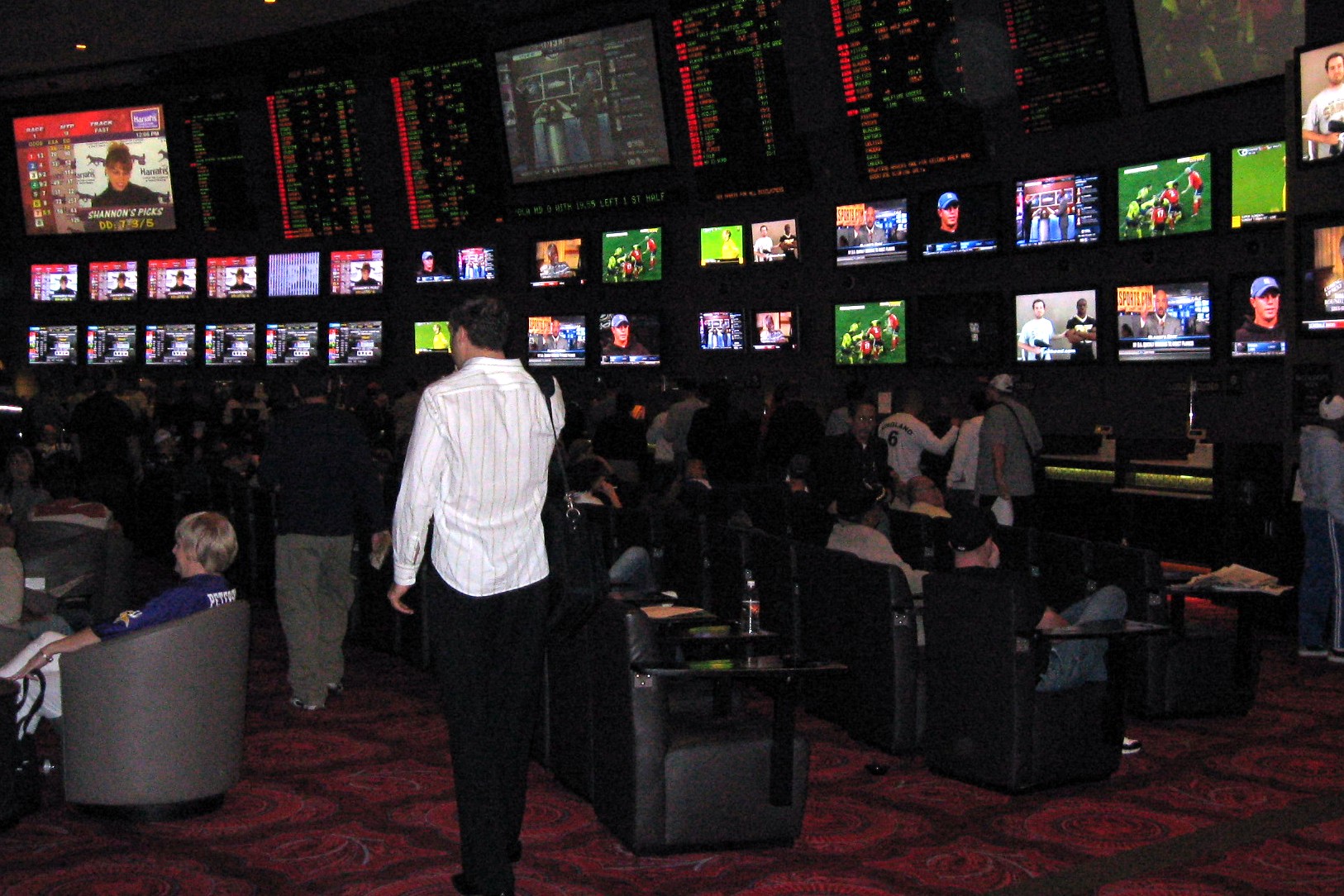
The useful player-safety question is not whether AI exists inside a sportsbook. It already does in pricing, fraud detection, marketing segmentation, customer service and product recommendations. The question is whether the player can still tell the difference between a researched bet and a well-timed nudge.
Personalization changes the betting moment
A generic promotion is easy to identify. A personalized prompt is harder because it may arrive around the sport, team, market type or time of day that already interests the player. If the message appears after a loss, during a live match, after a withdrawal request or just as a World Cup market starts moving, it is no longer a neutral product announcement. It is part of the gambling session.
That is why the same industry conversation about AI also needs a player conversation about limits, notifications and marketing consent. Yogonet’s July 2 report on AI recommendation systems in iGaming retention described the operator appeal clearly: better retention, more relevant offers and more tailored experiences. TopGamb’s concern is the other side of the same coin. A tailored experience can also make it easier to keep gambling after the original plan has ended.
Readers can connect this with our guides on turning off sportsbook push notifications, gambling ads during live sport, sports betting bankroll management, online gambling reality checks and regulated iGaming markets. The common thread is control before convenience.
Growth should not hide the warning signs
AI-driven sportsbook design can be useful. It may make account checks faster, flag suspicious activity, improve responsible-gambling interventions and help support teams spot risky patterns earlier. The player problem begins when the same personalization makes betting feel like a private recommendation instead of marketing.
The responsible response is simple. Turn off non-essential prompts during tournaments. Set deposit and time limits before accepting offers. Treat “recommended” markets as advertising, not advice. If an app repeatedly points you toward live bets, parlays or casino games after losses, step back from the session rather than trying to outthink the prompt.
For regulators and operators, the test is transparency. Players should know when personalization is being used, how to reduce marketing contact, and where to find account-history and limit tools. A smarter sportsbook is only a safer sportsbook if the player still has a clear way to say no.
Sources
- Yogonet: SBC Summit to spotlight sportsbook tech and AI innovation
- SBC Summit: Betting track
- Yogonet: AI recommendation systems in iGaming retention strategies
- National Council on Problem Gambling: responsible gambling
Reader Questions
Does sportsbook AI mean a bet is more accurate?
No. A recommended market is not the same as a better price or a profitable bet. It may simply be the offer most likely to catch the player’s attention.
What should players do before using AI-driven betting features?
Set limits first, turn off push alerts, read settlement rules and avoid using recommendations during live-match emotion or after a losing bet.


New Casino

Welcome bonus: Refer a Friend: 10% of the house edge

Welcome bonus: 150% up to €500 + 50 FS

Welcome bonus: 1st Deposit: 100% up to C$400 + 50 FS

Welcome bonus: First: 100% up to C$700

Welcome bonus: 100% up to C$500 + 180 FS

Welcome bonus: 100% up to C$3,000 + 150 FS
Recent news


