Cambodia’s reported closure of 72 casinos shows why casino licensing, fraud checks and player safety cannot be separated.

Cambodia Casino Closures Put Fraud Inspections Back in the Gambling Spotlight

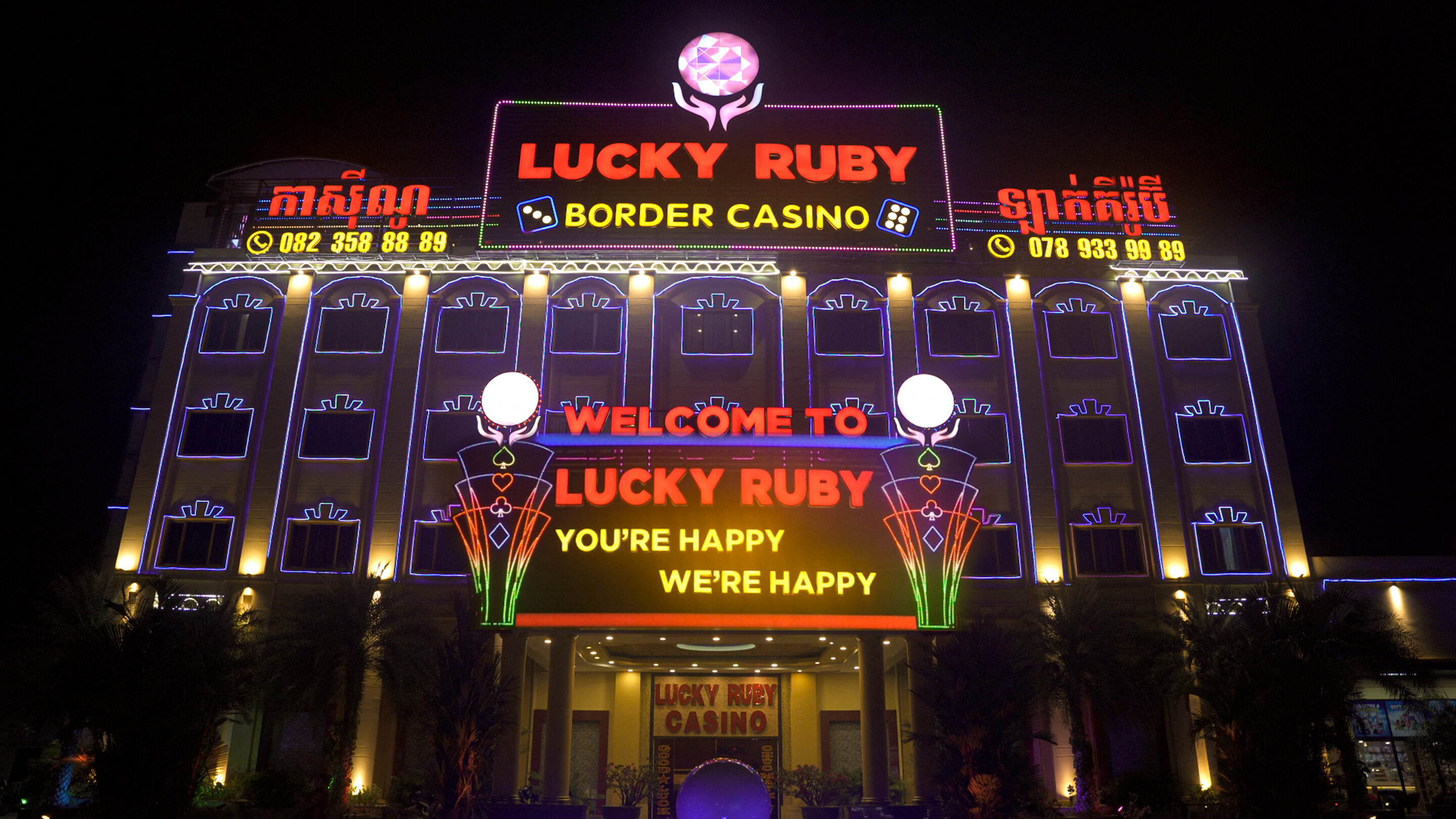
Cambodia’s latest casino enforcement story is not just a local licensing item. It is a warning about how quickly a gambling venue can move from entertainment to fraud risk when supervision fails.
Yogonet reported on 30 July 2026 that Cambodian regulators had shut down 72 casinos after inspections connected to fraud concerns. Xinhua reported earlier that Cambodia had revoked casino licences linked to online scams, while UNODC and Amnesty International have both warned that scam-compound activity in parts of Southeast Asia can sit close to casino, online gambling and cross-border finance channels.
Why this matters beyond Cambodia
A casino closure is easy to read as a regulator-versus-operator event. For players, the more useful question is different: what would have been visible before the shutdown? If a venue or site cannot explain who owns it, who licences it, where disputes go and how money is protected, the risk is already too high before any official press release arrives.
That matters even for readers far from Cambodia. Offshore gambling sites often use distant registration details, payment intermediaries and vague claims about licences. The name on the lobby may not be the legal entity behind the cashier. The support agent may not know which regulator handles complaints. The domain may change faster than a player can follow. Those are not harmless quirks; they are warning signs.
TopGamb readers can slow the decision down with our guides to checking a gambling site’s legal status, regulated iGaming markets, online gambling safety and casino KYC checks. The safest order is licence first, payment second, bonus last.
The player-safety lesson
The practical lesson is not to assume that a big building, a busy floor or a professional-looking website means the operation is safe. Scam risk often begins with ordinary-looking friction: unclear account ownership, inconsistent payment names, aggressive deposit pressure, confusing withdrawal checks or support staff who cannot put licence details in writing.
Responsible gambling starts before the first stake. Do not deposit into a venue or site because you are already there, because the odds look short-lived, or because a bonus expires soon. If the licence check takes too long, that is a reason to stop, not a reason to hurry.
The Cambodia closures should also make players careful with documents. Never upload identity files to an operator you cannot verify. If a site looks connected to a jurisdictional gray area, keep screenshots, leave the cashier closed and avoid turning a consumer concern into a personal-data problem.
Sources
- Yogonet: Cambodian regulators shut down 72 casinos following fraud inspections
- Xinhua: Cambodia revokes casino licences linked to online scams
- UNODC: Southeast Asia criminal economy and scam risks
- Amnesty International: Cambodia scam compounds and enforcement concerns
Reader Questions
Does a casino closure prove every player was harmed?
No. It proves the regulator saw enough concern to act. Players should still treat that kind of enforcement as a reason to check licensing and payment exposure carefully.
What is the safest first check before depositing?
Match the site or venue name, legal entity, licence number and complaints route. If those details do not line up, do not deposit.


New Casino

Welcome bonus: Refer a Friend: 10% of the house edge

Welcome bonus: 150% up to €500 + 50 FS

Welcome bonus: 1st Deposit: 100% up to C$400 + 50 FS

Welcome bonus: First: 100% up to C$700

Welcome bonus: 100% up to C$500 + 180 FS

Welcome bonus: 100% up to C$3,000 + 150 FS
Recent news


