The Buenos Aires online betting bill cleared its first committee on 17 November, but deputies sent three different funding models onward. The safeguards are getting clearer; who pays for them is not.

Buenos Aires Has Three Online Betting Bills. The Funding Split Is the Story

The Buenos Aires online betting bill has cleared a committee without acquiring one settled financial model. Deputies backed the measure “in general” on 17 November, then produced three separate reports. The vote is progress for a bill that had lost quorum at an earlier meeting, but the full Chamber has not approved it and nobody can yet say exactly who will fund the clubs, scholarships and prevention programmes attached to the proposal.
That is the useful story beneath the headline. Micaela Olivetto, who chairs the Gambling, Lottery and Problem Gambling Prevention Committee, and Facundo Tignanelli sponsored the original text. The committee found enough agreement to keep moving. It did not resolve how gambling revenue should circulate through the province.
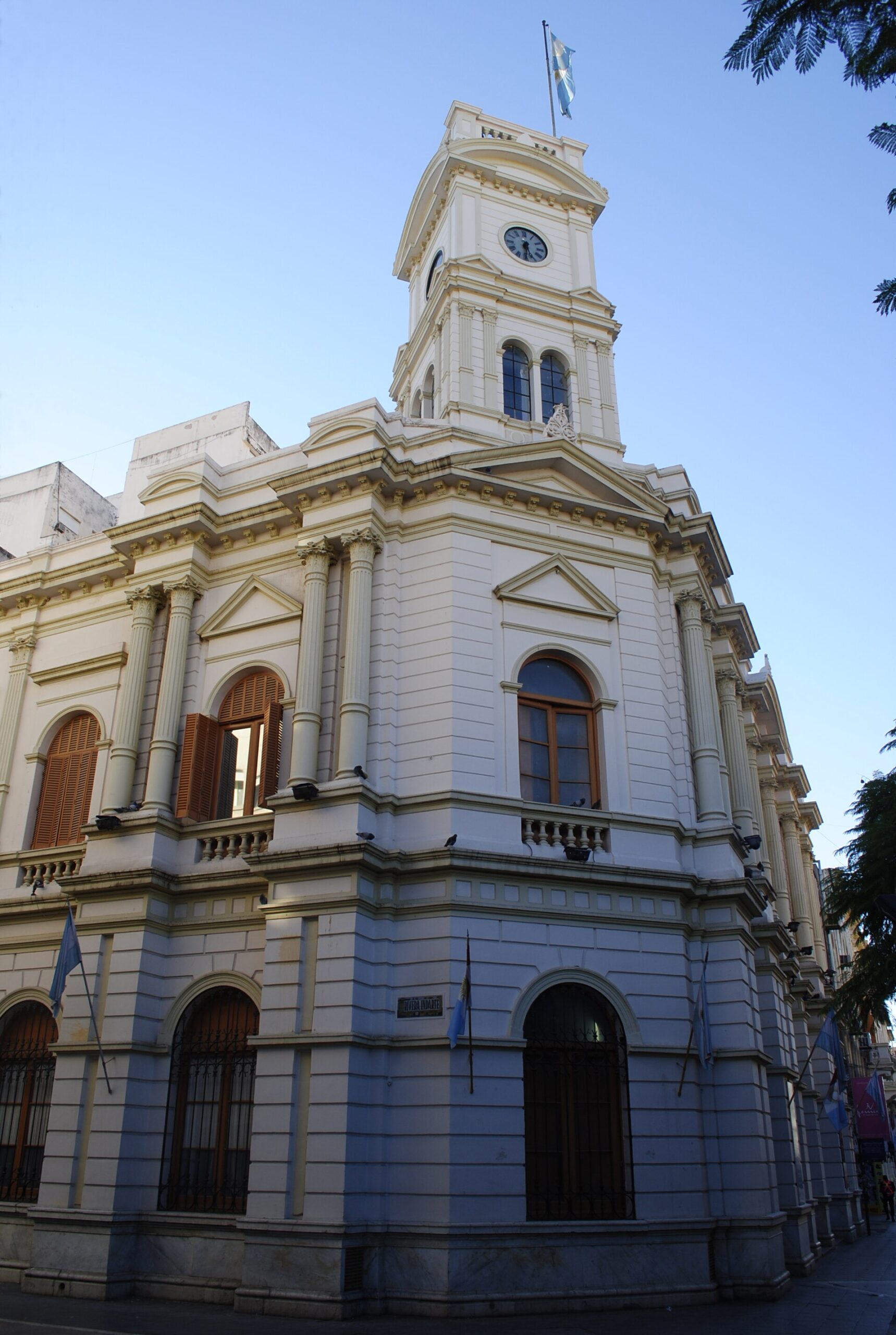
What the Buenos Aires online betting bill actually sent forward
The three reports share a broad regulatory direction. The bill would establish online betting rules rather than leave the market to general provincial gambling law. Measures discussed in committee include biometric identity checks, restrictions on access through school networks, limits on advertising and tools for exclusion or self-exclusion. Some versions add specialist prosecutors and stronger powers against illegal operators.
Those are proposals, not operating controls. The difference becomes important when a reader sees a phrase such as “biometric verification” and assumes that every site is already applying the same process. The final text still has to survive the Budget and General Legislation committees and a floor vote. Implementing regulations would then need to turn each principle into a testable rule.
Olivetto said the committee had found agreement on preventing minors from betting, supporting adults who need help and restricting advertising. The point is credible as a statement of shared intent. It is not evidence that the three reports use identical definitions, deadlines or enforcement mechanisms. Those are exactly the details a committee stage is supposed to expose.
One fund, another fund and a 2% deduction from prizes
The original proposal linked a clubs fund to operator payments: 3% of prizes paid each month, with 85% directed to sports and community groups and 15% to scholarships for elite athletes. Opposition members wanted municipalities to receive and distribute more of the money. Another report expanded the group of possible recipients.
A separate fault line runs through FOPIS, the Provincial Fund for Social Progress and Inclusion. The fund is financed by a 2% deduction from prizes on instant online games such as slots under a 2018 provincial law. The province’s lottery institute moved to apply it through Resolution 1149 in September. A court injunction then halted collection, according to reporting by iGaming Business.
Governor Axel Kicillof’s government has put the measure in the 2027 tax bill. Olivetto included FOPIS in her online-betting text to keep the broader bill moving even though she objects to charging the player rather than the operator. Diego Garciarena, whose Radical Civic Union group filed another report, questioned whether the deduction would actually deter harmful play.
This is more than an accounting argument. A levy on operator gross revenue and a deduction from player prizes create different incentives and different visible prices. If the second model survives, a player will have less prize money before deciding whether to continue. If the first survives, the pressure sits on licensed companies. Whether either approach prevents harm depends on what the money funds and how quickly support is available.
The illegal-market case is carrying a lot of weight
Supporters want licensed platforms to pay for prevention, treatment and community programmes while receiving clearer legal authority. Tignanelli’s bloc has argued for platforms to contribute half their profits; that is one negotiating position, not a rate adopted by committee. Olivetto has also argued that too much licensed revenue leaves the province.
Those claims are part of the policy debate. They should not be read as audited figures for a market whose final tax structure does not exist. The more basic regulatory argument is easier to test: a licensed market can require identity checks, publish player controls and give regulators a named operator to supervise. It can also expose customers to a product that has become easier to advertise and access if the safeguards are weak.
TopGamb’s guide to a regulated iGaming market separates legal supply from effective supervision. A licence is the starting point. The regulator’s staffing, technical standards, complaint handling and willingness to enforce the rules determine whether the licence means much in practice.
What still has to happen before anyone can call it law
The bill now sits with Budget, chaired by Juan Pablo de Jesús, and General Legislation, chaired by Rubén Eslaiman. Olivetto has asked for a joint meeting so the proposal can reach the floor during the current ordinary session. No floor vote has been scheduled.
Watch the committee print rather than the speeches surrounding it. The key questions are concrete:
- Does the final version levy operators, players or both, and at what rate?
- Which institutions can receive the money, and who audits the distribution?
- Are biometric and geolocation checks mandatory before the first deposit?
- Do limits and exclusions apply across brands and operators or only inside one account?
- What happens to a licensed company that advertises on an illegal site or through an unauthorised affiliate?
- Is there a published enforcement timetable, or only an obligation to make rules later?
The final answers will matter more than the committee’s general agreement. A bill can contain every desirable heading and still produce a weak market if the regulator cannot inspect systems, respond to complaints or stop an operator that ignores a limit.
A player-facing bill needs a player-facing test
Argentina’s provincial structure makes the licensing question especially easy to misread. A company that operates lawfully somewhere else is not automatically authorised in Buenos Aires. Search the named operator and domain in the current regulator record, then check whether the site accepts customers from the province. TopGamb’s licence-status check and regulator-register guide cover the difference.
Suppose a site says “regulated by the Province of Buenos Aires” before the bill has passed. That claim needs evidence. Look for the operating company, licence number and a current entry in the regulator’s public record. A copied seal or an advertisement that uses the provincial flag is not enough.
The safeguards also need to be found before a loss, not after a complaint. Test whether the account offers a time limit, a deposit limit and a self-exclusion route before depositing. A support email buried outside the logged-in area is not equivalent to a pause control. TopGamb’s self-exclusion explainer shows why scope matters: closing one account does not necessarily close access to every brand under the same company.
Our editorial view is that the committee vote is meaningful because it keeps a potentially useful framework alive. It is not yet a consumer-protection victory. The funding dispute currently gets the political attention, but the final operational clauses will determine whether the bill delivers safer access, a more accountable licensed market or simply another collected levy.
Keep any gambling decision separate from the legislative timetable. The bill passing will not make a deposit safer, and a delay will not make an unlicensed site acceptable. Use only money already set aside for entertainment. If play is becoming difficult to control, stop before deciding which new law is likely to pass.
Further reading and primary documents


New Casino

Main offer: Recurring weekly and monthly activity rewards plus rakeback; amounts depend on VIP rank and prior play.

Welcome bonus: 150% up to €500 + 50 FS

Welcome bonus: 1st Deposit: 100% up to C$400 + 50 FS

Welcome bonus: First: 100% up to C$700

Welcome bonus: 100% up to C$500 + 180 FS

Welcome bonus: 100% up to C$3,000 + 150 FS
Recent news


