The UK Gambling Commission’s new licence condition takes effect on 29 July 2026 and gives operators a clearer compliance trigger.

UK Gambling Commission Orders Faster Removal of Non-Compliant Gaming Machines

The Gambling Commission is not changing the basic duty that operators already have. Non-remote venues must still make sure the machines on their floors are compliant. What changes on 29 July 2026 is the enforcement trigger: if the Commission notifies an operator in writing that a machine is non-compliant, that machine must be removed from use.
That sounds like a paperwork rule, but the practical effect is a floor-level one. A flagged machine can no longer sit in a venue while an operator waits for the next inspection window or tries to keep it running for one more session. The regulator has turned a compliance problem into an immediate operational decision.
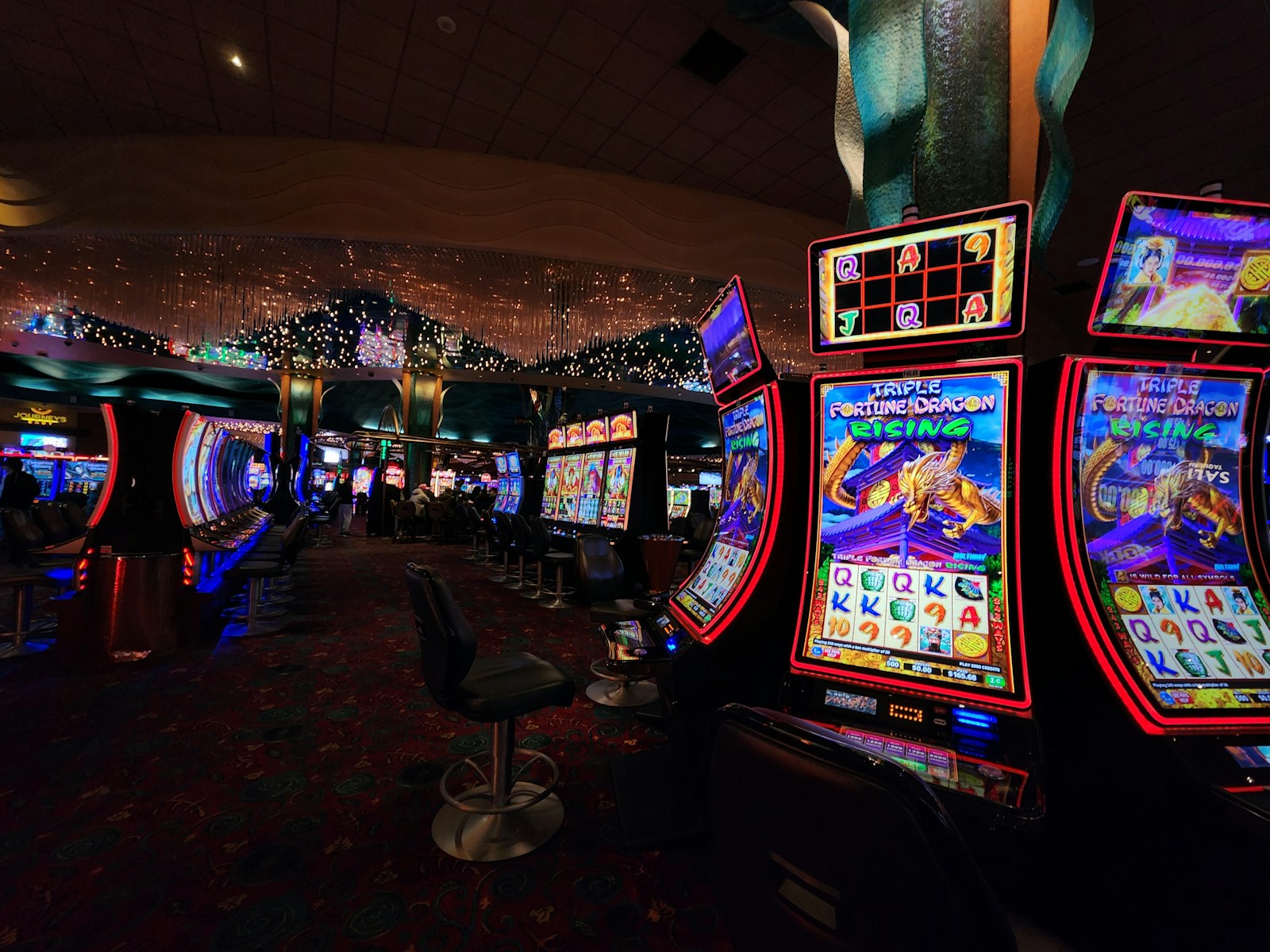
Why the rule matters now
The UKGC said the change is meant to streamline removal and make sure non-compliant machines are taken out quickly. The commission’s own wording is narrow, which is useful. This is not a sweeping redesign of every machine standard. It is a fast-removal rule for equipment the regulator has already identified as not meeting the required technical position.
For players, the value is straightforward. If a machine is not properly manufactured, installed, maintained or repaired under the correct technical licence, the venue should not be able to leave it on the floor while the issue drags on. That does not eliminate every risk in land-based gambling, but it does make the compliance line easier to see.
TopGamb readers can put this alongside our guides to large casino premises licences, how to check a regulated site name, illegal site blocking and regulated iGaming markets. The common thread is the same: a market feels safer when the rules are visible and enforced before the player has to guess.
What the rule does not mean
It does not mean every machine in every venue is suddenly suspect. It does not mean a temporary fault or ordinary maintenance issue is the same as a Commission notice. And it does not replace the operator’s day-to-day duty to keep machines compliant in the first place. The new condition just gives the regulator a cleaner remedy once a serious technical problem has been identified.
That distinction matters because land-based compliance often gets flattened into a simple on/off story. In reality, the better test is whether an operator can explain why a machine is on the floor, what standard it meets, and how quickly it would be pulled if that answer changed. The new condition puts pressure on that answer.
What players should notice
If you play in a venue with gaming machines, the practical sign of a serious compliance culture is not a slogan on the wall. It is whether the venue can act fast when a machine needs to come out. A floor that treats compliance as an afterthought usually has the same habit in other areas too: slower fixes, weaker records and less transparency when something goes wrong.
That is why this rule belongs in the broader responsible-gambling conversation. Machines are only one part of the experience, but they are one of the easiest places to see whether a venue takes rules seriously. The Commission has made its preference clear. Non-compliant equipment should not be left in place.
Sources
- UK Gambling Commission: New gaming machine rules announced
- UK Gambling Commission: Upcoming changes to the LCCP
- iGaming Business: UKGC announce tougher measures on gaming machines
Reader Questions
Does the new UKGC rule ban gaming machines?
No. It requires non-compliant machines to be removed after written notification. Compliant machines can remain available under the usual rules.
Does this apply to online casinos?
No. The condition is for non-remote gambling operators with gaming machines in physical premises.


New Casino

Welcome bonus: List of Parimatch Casino Bonuses

Welcome bonus: 200% up to C$500 + 100 FS

Welcome bonus: 100% up to C$2,000 + 50 FS

Welcome bonus: 100% up to C$750 + 50 FS

Welcome bonus: 200% up to C$1,404 + 100 FS

Welcome bonus: 100% up to EUR500 + 100 FS
Recent news


