New Zealand’s latest online casino advertising guidance shows how tightly the 2027 licensed market will control luck claims, minors, inducements and pressure.

New Zealand Online Casino Ad Guidance Takes Aim at Luck, Rituals and Pressure

New Zealand’s new online casino advertising guidance is a useful signal before the country’s licensed iGaming market goes live. It does not only tell operators where they can place ads. It tells them which kinds of persuasion the regulator does not want built into casino marketing at all.
iGB reported on 31 July 2026 that the Department of Internal Affairs guidance restricts gambling advertising that appeals to minors, relies on personal endorsements, creates urgency, encourages impulsive play, or leans on ideas such as luck, fate, rituals and superstition. The guidance accompanies the Online Gambling Regulations 2026, which are part of New Zealand’s move toward a competitive online casino licensing system for 2027.
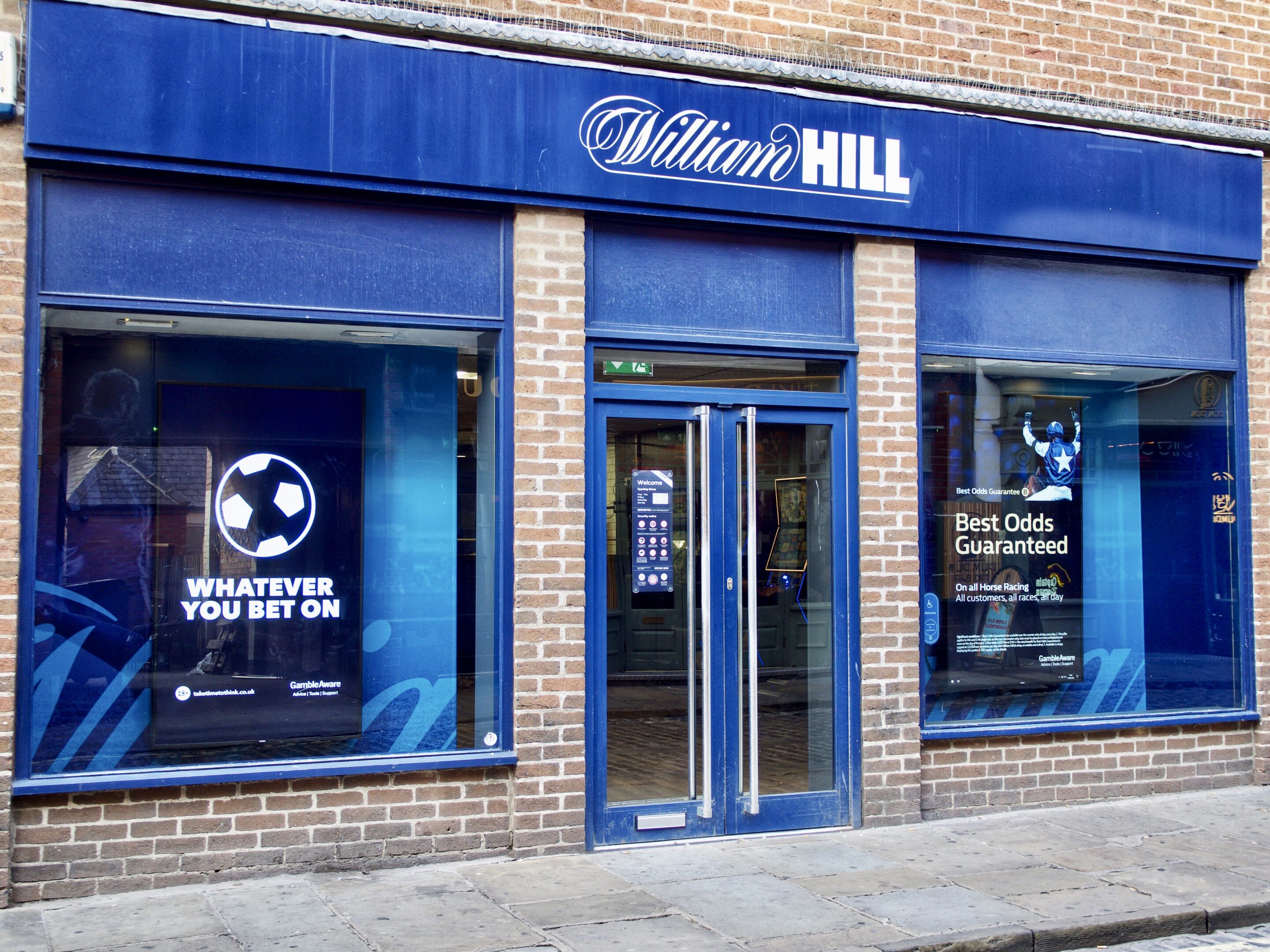
The ad rules go beyond ordinary small print
The strongest part of the guidance is its attention to the moment before a player clicks. Advertisers must consider audience demographics and avoid placements where under-18s could make up more than 20% of likely viewers. iGB also reported that ads should not be placed near schools, youth events or platforms popular with minors, and that a 30-minute buffer applies around live broadcasts.
The content rules are just as important. New Zealand’s approach does not treat a casino advert as acceptable simply because a responsible-gambling line appears at the bottom. The regulator can look at wording, imagery, audio, sequencing and calls to action when deciding whether an advert is pushing urgency or pressure. Bonus, free-spin and other inducement material must also make material terms prominent.
TopGamb readers can compare this with our guides to gambling ad disclosures, checking affiliate links before a bonus, regulated iGaming markets, online casino loss limits and self-exclusion. The shared lesson is that the ad is never enough evidence to trust the product.
Luck language is not harmless decoration
References to lucky rituals and fate can sound playful, especially around slots, roulette and table games. The player-safety problem is that those claims can make randomness feel personal. If an advert implies that a certain routine, mood, day or sign makes a win more likely, it is doing more than selling entertainment. It is nudging the player toward a false sense of control.
That matters before launch because licensed markets often start with heavy brand competition. Operators want early account signups. Affiliates want clicks. Players want to know which sites are legal and usable. In that noise, advertising rules shape the first impression of the whole market.
The editorial takeaway is simple: New Zealand is trying to make the licensed market recognisable before players meet it. A legal casino ad should not feel like a shortcut around probability, age controls or bonus terms. If a promotion needs superstition, urgency or vague promises to work, the player should slow down even if the brand later receives a licence.
Sources
- iGB: No luck, fate or rituals allowed in gambling ads warns New Zealand legislation guidance
- New Zealand DIA: Online casino gambling resources
- New Zealand DIA: advertising and marketing legislative guidance PDF
- iGB: New Zealand introduces online gambling regulations ahead of licensing process
Reader Questions
Does this mean New Zealand has launched licensed online casinos?
No. The rules sit inside the licensing framework for the planned 2027 market. Players should follow DIA updates for official launch and licence details.
Why are luck and ritual claims a regulatory issue?
Because they can make random gambling outcomes feel controllable. A casino ad should not suggest that fate, timing or a personal ritual improves the chance of winning.


New Casino

Welcome bonus: Refer a Friend: 10% of the house edge

Welcome bonus: 150% up to €500 + 50 FS

Welcome bonus: 1st Deposit: 100% up to C$400 + 50 FS

Welcome bonus: First: 100% up to C$700

Welcome bonus: 100% up to C$500 + 180 FS

Welcome bonus: 100% up to C$3,000 + 150 FS
Recent news


