New York has sued Kalshi over sports event contracts, arguing that the federally regulated platform is offering unlicensed gambling in the state.

New York Sues Kalshi as Sports Event Contracts Face a State Gambling Test

New York has taken the prediction-market argument to court. Governor Kathy Hochul and Attorney General Letitia James announced on July 31 that the state had sued Kalshi, alleging that its sports event contracts amount to illegal, unlicensed gambling in New York.
The complaint is aimed at the fault line that has followed prediction markets through several U.S. states. Kalshi is regulated by the Commodity Futures Trading Commission as a designated contract market. New York’s position is that federal commodities oversight does not erase state gambling law when the contracts let customers stake money on sports results.
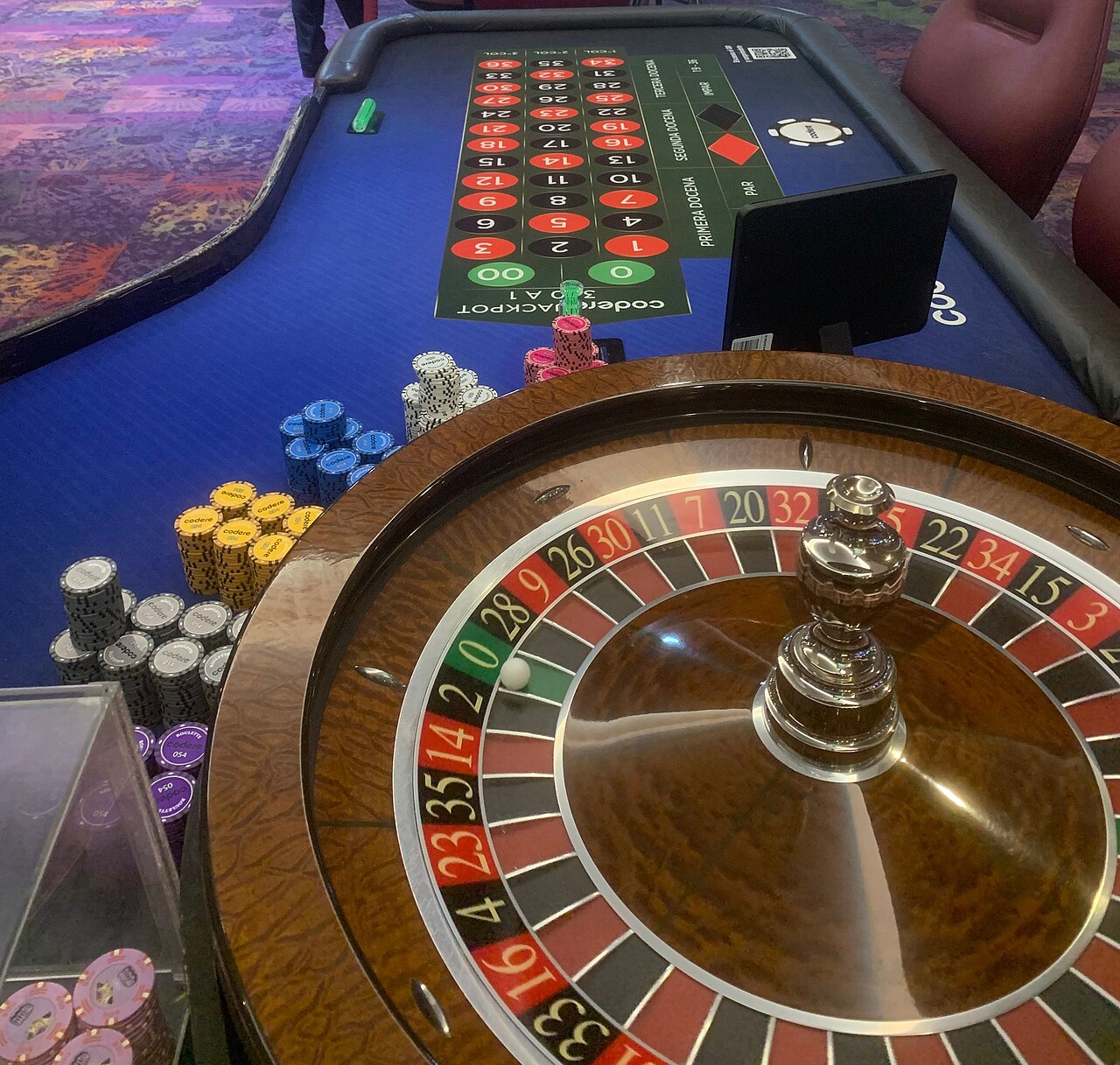
According to the Attorney General’s office, the state is seeking to stop Kalshi from offering sports wagering without a New York licence. Associated Press reporting notes that the lawsuit also names Kalshi’s founders and argues that the platform avoids the taxes and public-interest controls applied to licensed sportsbooks. Kalshi has consistently argued in related disputes that event contracts fall under exclusive federal jurisdiction.
The case is about the rules around the wager
A sports contract can look different from a sportsbook ticket while creating a similar customer decision: choose an outcome, risk money and receive a return if the outcome is correct. The legal question is who regulates that transaction. The player-safety question is more immediate. Which body checks age controls, account access, advertising, self-exclusion, market integrity and the location of the customer?
New York’s licensed mobile sports-betting system only accepts wagers placed by people physically inside the state and routes them through approved operators and casino infrastructure. The state says Kalshi’s structure bypasses that framework. A court will have to decide how far the Commodity Exchange Act reaches and where state gambling authority begins.
TopGamb has followed the same tension in our report on Nevada and Louisiana prediction-market warnings. Readers may also want the wider context in our explainers on regulated gambling markets, betting prompts during live sport, loss limits and online gambling safety.
What players should do while the case moves
This lawsuit does not produce an instant nationwide answer. It is one state action in a larger dispute involving federal regulators, state gaming authorities and several courts. Customers should check current official access rules in their own location instead of assuming that an app’s availability settles its legal status.
It is also sensible to treat event-contract money as gambling money for personal budgeting, whatever label appears on the platform. A contract can still encourage repeat positions, fast reactions to live sport and attempts to recover a loss. Use a fixed entertainment budget, do not borrow to trade an outcome, and take a break when a market starts to feel like a way to repair the previous result.
The editorial point is not that every prediction contract is identical to every sportsbook bet. It is that a different product name should not make the protections around money, identity and harmful play disappear. That is the practical standard against which New York’s case should be judged.
Further reading
- New York Attorney General: New York sues Kalshi over alleged illegal gambling
- Associated Press: New York sues prediction-market company Kalshi
- New York State Gaming Commission: Sports wagering overview
- National Council on Problem Gambling: Responsible gambling
Is Kalshi banned across the United States?
No. The New York lawsuit concerns access and regulation in New York, while other state and federal cases continue. Legal status can differ by jurisdiction and can change as courts issue new orders.


New Casino

Welcome bonus: Refer a Friend: 10% of the house edge

Welcome bonus: 150% up to €500 + 50 FS

Welcome bonus: 1st Deposit: 100% up to C$400 + 50 FS

Welcome bonus: First: 100% up to C$700

Welcome bonus: 100% up to C$500 + 180 FS

Welcome bonus: 100% up to C$3,000 + 150 FS
Recent news


