Paradise Entertainment has warned of a first-half 2026 loss after its Macau casino-management business ended and gaming-equipment revenue fell sharply.

Paradise Entertainment’s Loss Warning Shows the Cost of Macau’s Satellite-Casino Exit

Paradise Entertainment’s latest warning is a useful reminder that casino regulation does not only change licence language. It changes revenue lines, service contracts and the business model sitting behind the tables.
TipRanks reported that Paradise Entertainment expects a HK$82.6m loss for the six months ended 30 June 2026, compared with a HK$177.8m profit a year earlier. The same report tied the swing to the end of Macau casino-management services and a sharp fall in gaming-equipment revenue as customers wait for the group’s next live multi-game platform.
Why the warning matters
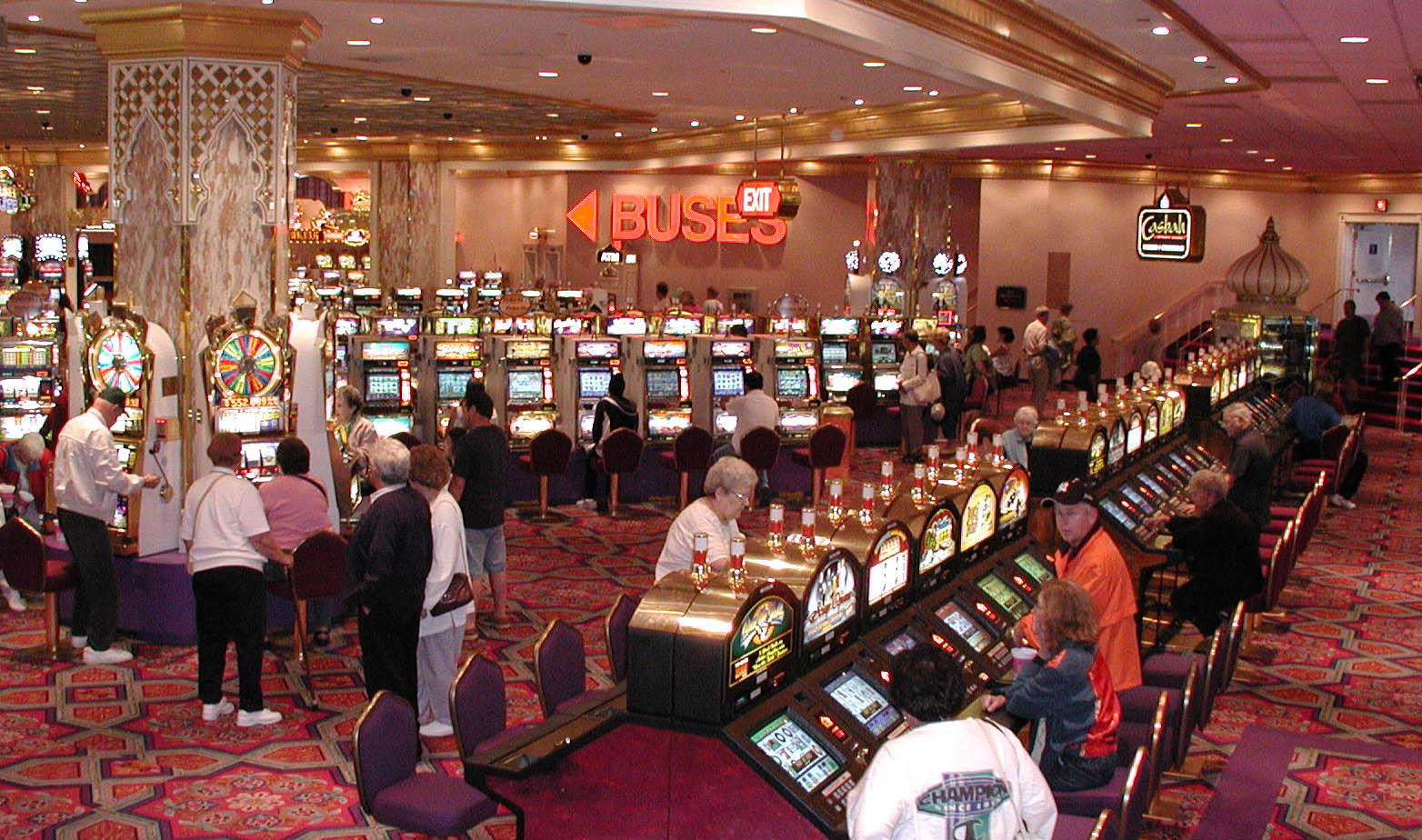
The deeper issue is Macau’s satellite-casino reset. The Macao SAR Government said in June 2025 that 11 satellite casinos would terminate operations by 31 December 2025, including Casino Kam Pek Paradise. Paradise’s own 2025 annual-results release said the Casino Kam Pek Paradise service agreement was not renewed and that the casino ceased operations with effect from 2 December 2025.
That matters because a satellite-casino model can make revenue look steady until the legal structure changes. Once the management-service flow ends, the remaining business has to stand on product sales, equipment leasing, new platforms and other contracts. A loss warning then becomes more than a stock-market item. It shows what happens when a market shifts away from third-party casino structures toward tighter concessionaire control.
TopGamb readers can connect this with our guide to casino ownership changes, plus explainers on regulated iGaming markets, channelisation, KYC checks, loss limits and self-exclusion. Corporate change is not the same as player protection, but it affects where accountability sits.
The player lesson is quieter
Players do not need to trade Paradise shares to care about this story. The practical lesson is to notice when a casino’s operating model changes. If a venue closes, moves under direct management, changes the cashier route or shifts players to another property, the safe move is to confirm licence status, redemption rules, complaint routes and exclusion coverage before gambling again.
Macau’s transition also shows why gambling harm should not be treated as a single-account problem. When venues close or management changes, players may move elsewhere, chase offers or treat a new floor as a fresh start. That is exactly when limits matter. If gambling is already stretching bills, sleep or relationships, the right response is not a new operator. It is distance from the product and support through local services or groups such as Gamblers Anonymous.
Reader questions
What caused Paradise Entertainment’s loss warning?
The reported warning reflects the end of Macau casino-management services after Casino Kam Pek Paradise closed, alongside weaker gaming-equipment revenue.
Does this mean Macau casinos are unsafe for players?
No. It is a business-model and regulation story. Players should still focus on licence status, cashier rules, limits and support tools before gambling at any venue.
References


New Casino

Welcome bonus: 200% up to C$500 + 100 FS

Welcome bonus: 100% up to C$2,000 + 50 FS

Welcome bonus: 100% up to C$750 + 50 FS

Welcome bonus: 200% up to C$1,404 + 100 FS

Welcome bonus: 100% up to EUR500 + 100 FS

Welcome bonus: 100% up to C$4,500 + 100 FS
Recent news


