Splitting turns one blackjack pair into two hands and usually requires a second equal wager. Learn what changes, which table rules matter and how to keep the extra risk inside a budget.

Blackjack Splitting Pairs Explained: Two Hands, Two Wagers

When a blackjack player receives a pair, the table may offer a split. The original two cards are separated into two hands, and the player usually places a second wager equal to the first. A $10 pair therefore becomes two $10 hands, with $20 exposed before either hand is completed.
Splitting is a rule decision, not a lucky escape from a bad hand. The new hands receive cards under the table’s rules, and some pairs create more complicated restrictions than others. Read the help panel before the deal starts.
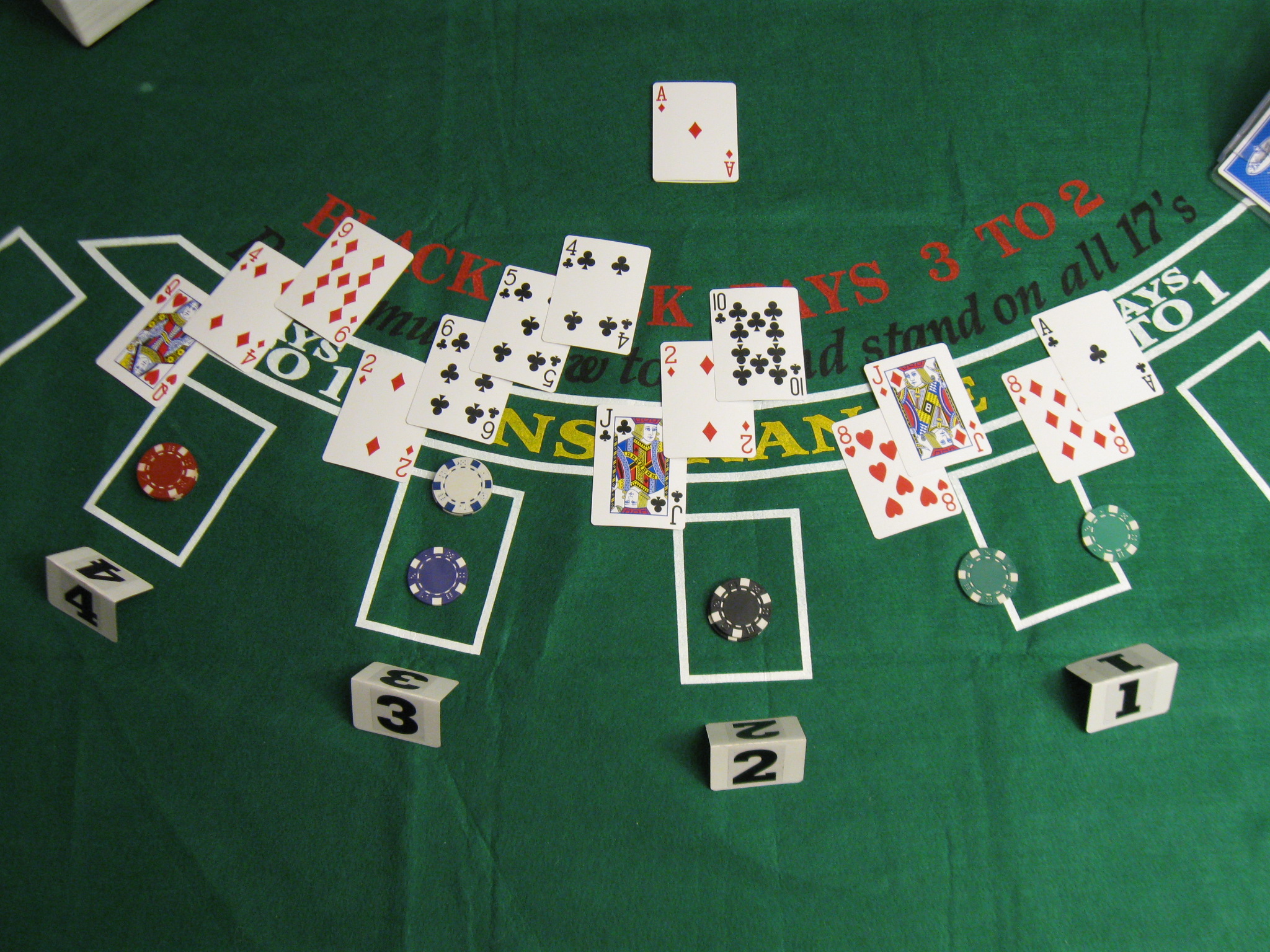
What happens after the cards separate
The dealer normally completes the player’s two hands in order, then settles each against the dealer’s final hand. A split can create two wins, one win and one loss, two losses or a push alongside another result. The second wager does not change the dealer’s chance of drawing a particular card.
Rules differ on whether a player may re-split if another pair appears, whether doubling after a split is allowed and how many times aces can be split. Split aces often receive only one additional card each, and a resulting 21 may be treated as a regular 21 rather than a natural blackjack. Those details must come from the specific table.
Why the pair matters more than the picture
Basic strategy compares the pair with the dealer’s upcard under a known ruleset. It does not say every pair should be split. A pair of eights and a pair of tens may look equally tidy, but their expected decisions are different. The soft-17 explainer shows how a dealer rule changes the wider table maths.
Splitting is also different from doubling down. The double-down guide covers adding to one hand and normally taking one card; a split creates another hand and another sequence of decisions. The surrender guide covers the separate option to give up part of a hand where that rule is offered.
Count the second wager before you sit down
Check the table minimum and the number of hands your budget can support. TopGamb’s table-minimum guide explains why a minimum is not a bankroll recommendation. A player who plans only for the opening bet can run out of room after one split or double.
Do not split simply because the previous hand lost, and do not raise the next wager to recover a two-hand result. Random cards do not remember the last round. Set a money and time limit before dealing, and stop when either boundary is reached.
Splitting can be the mathematically preferred action in a defined ruleset, but it cannot guarantee a profit or remove the house edge. If the rules are unclear, ask the operator or choose another table. Gambling should stay within money you can afford to lose; if that boundary is hard to keep, contact a local support service such as the National Council on Problem Gambling.
Reader questions
Do I always need a second bet when I split?
Usually yes. Most blackjack tables require a second wager equal to the first, although the exact options and limits depend on the operator and jurisdiction.
Can split aces receive more than one card?
Often no, but the rule varies. Read the table rules before playing because split aces are commonly restricted to one additional card per hand.
Sources


New Casino

Main offer: Weekly bonus and rakeback on every eligible wager.

Welcome bonus: 150% up to €500 + 50 FS

Welcome bonus: 1st Deposit: 100% up to C$400 + 50 FS

Welcome bonus: First: 100% up to C$700

Welcome bonus: 100% up to C$500 + 180 FS

Welcome bonus: 100% up to C$3,000 + 150 FS
Recent news


