Surrender lets a blackjack player forfeit a hand for part of the original stake, but only when the table offers it and before the hand moves on. Learn the timing and rule differences.

Blackjack Surrender Explained: When the Option Is Available

Surrender is a blackjack option that lets a player end a hand after the first two cards and recover part of the original bet. In a common late-surrender game, the player gives up half the stake and the dealer takes the hand. It is an option to limit the loss on a particular hand, not a way to improve every deal or guarantee a better result.
Not every table offers surrender, and the word on the felt does not tell you every condition. The timing matters: a player must ask before taking another card, and the dealer’s up-card and any blackjack check can affect whether the option is available.
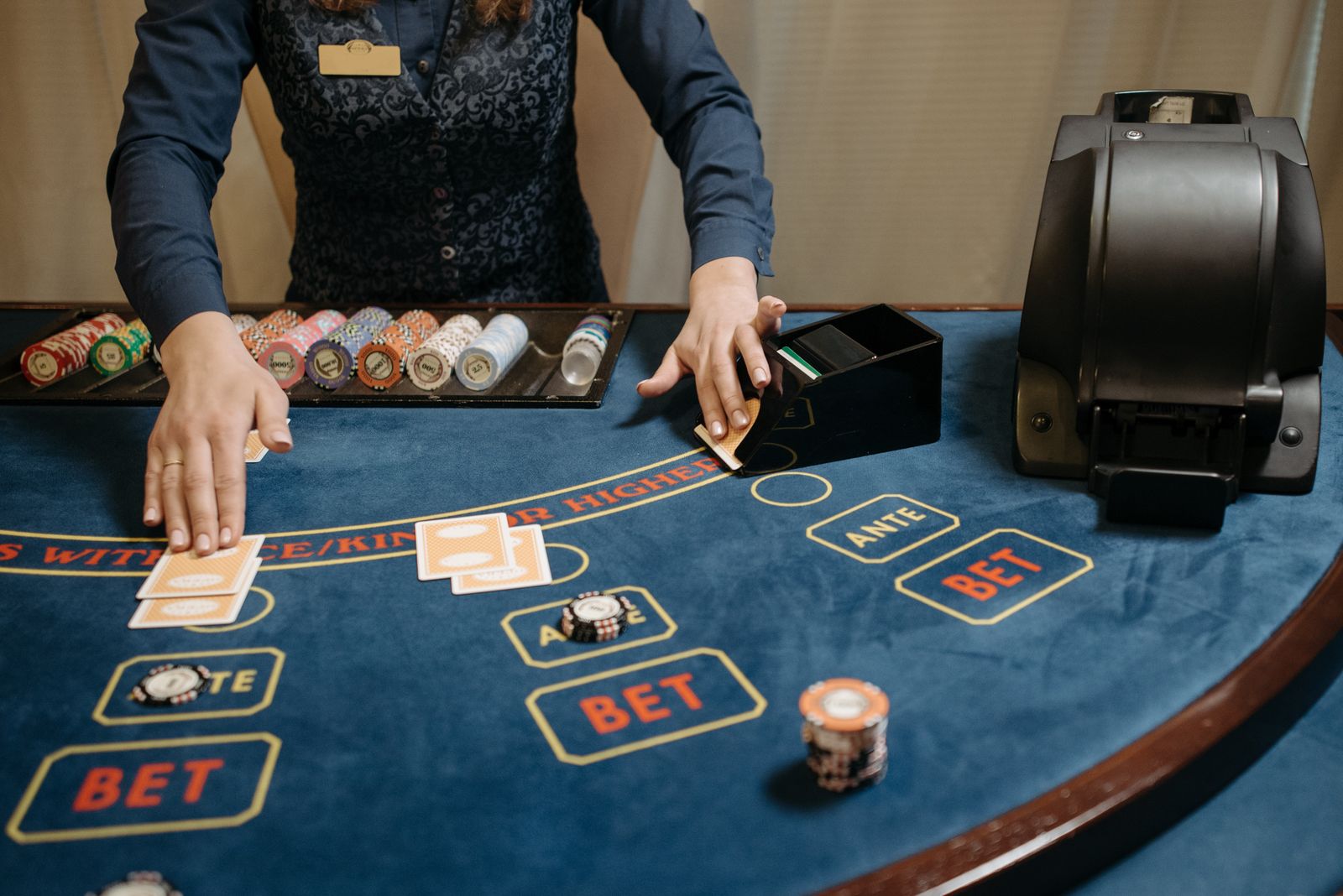
Early and late surrender are different rules
With late surrender, the player may give up half the bet after the dealer has checked for a natural blackjack, where the game procedure calls for that check. If the dealer has blackjack, the hand settles under the normal rule instead of letting the player surrender to avoid the loss.
Early surrender is less common. It allows the player to surrender before the dealer completes that check, which can change the value of the option. Casinos often restrict it or do not offer it at all. Do not assume that “surrender” means the same thing at every online or in-person table.
For example, on a $20 hand at a table offering late surrender, a valid surrender generally returns $10 and forfeits $10. The returned half is not a win; it is the portion of the stake not lost. Check whether the rule applies before or after the dealer’s blackjack check and how the game handles a dealer natural.
Check the table rules before the first hand
Read the rules panel or ask the dealer whether surrender is offered, when the decision must be made, and whether it is early or late. Also check the number of decks, whether the dealer hits or stands on soft 17 and whether a blackjack pays the stated amount. Those details affect the game together; a surrender option should not distract from the rest of the rules.
TopGamb’s guide to blackjack rules covers the basic hand flow, while the table-limit guide explains minimums and maximums. Our explainer on the casino’s long-run advantage puts individual table rules in context. If you are comparing live and automated games, the RNG and live-dealer guide describes what the format does and does not change.
When to use it is a separate question
Strategy charts may recommend surrender in a small number of combinations, but those recommendations assume a particular set of rules and number of decks. They do not transfer automatically to every variant. A surrender choice also does not undo the money already wagered or make a session profitable.
Choose a fixed amount you are prepared to lose before playing and include every hand in that limit. Do not increase the stake to recover a surrendered hand, and do not treat half the bet returned as money won. TopGamb’s session-budget guide and loss-limit explainer offer practical ways to decide when to stop.
If the table rules are unclear, sit out until they are explained. If you find it hard to stop after a loss, use a time-out or self-exclusion tool and contact a support service such as GamCare.
Quick answers
Does surrender return the whole bet?
No. Under the common late-surrender rule, half of the original wager is returned and half is lost.
Can I surrender after taking a hit?
Usually no. The decision is typically made on the original two-card hand before the player takes another card, subject to the table’s published rules.
Is surrender available at every blackjack table?
No. It is an optional rule, and early and late surrender have different timing.
References


New Casino

Welcome bonus: 1st Deposit: 100% up to C$400 + 50 FS

Welcome bonus: First: 100% up to C$700

Welcome bonus: 100% up to C$500 + 180 FS

Welcome bonus: 100% up to C$3,000 + 150 FS

Welcome bonus: 1st deposit: 100% up to C$1,000 + 100 FS

Welcome bonus: List of Parimatch Casino Bonuses
Recent news


