Police in Bishkek found 276 physical gaming machines linked to remote online play by customers outside Kyrgyzstan. The operating company held a 2024 licence, but investigators allege it paid no tax and are also examining money laundering.

Police Found 276 Machines Connected to Players Abroad. The Licence Was Already There

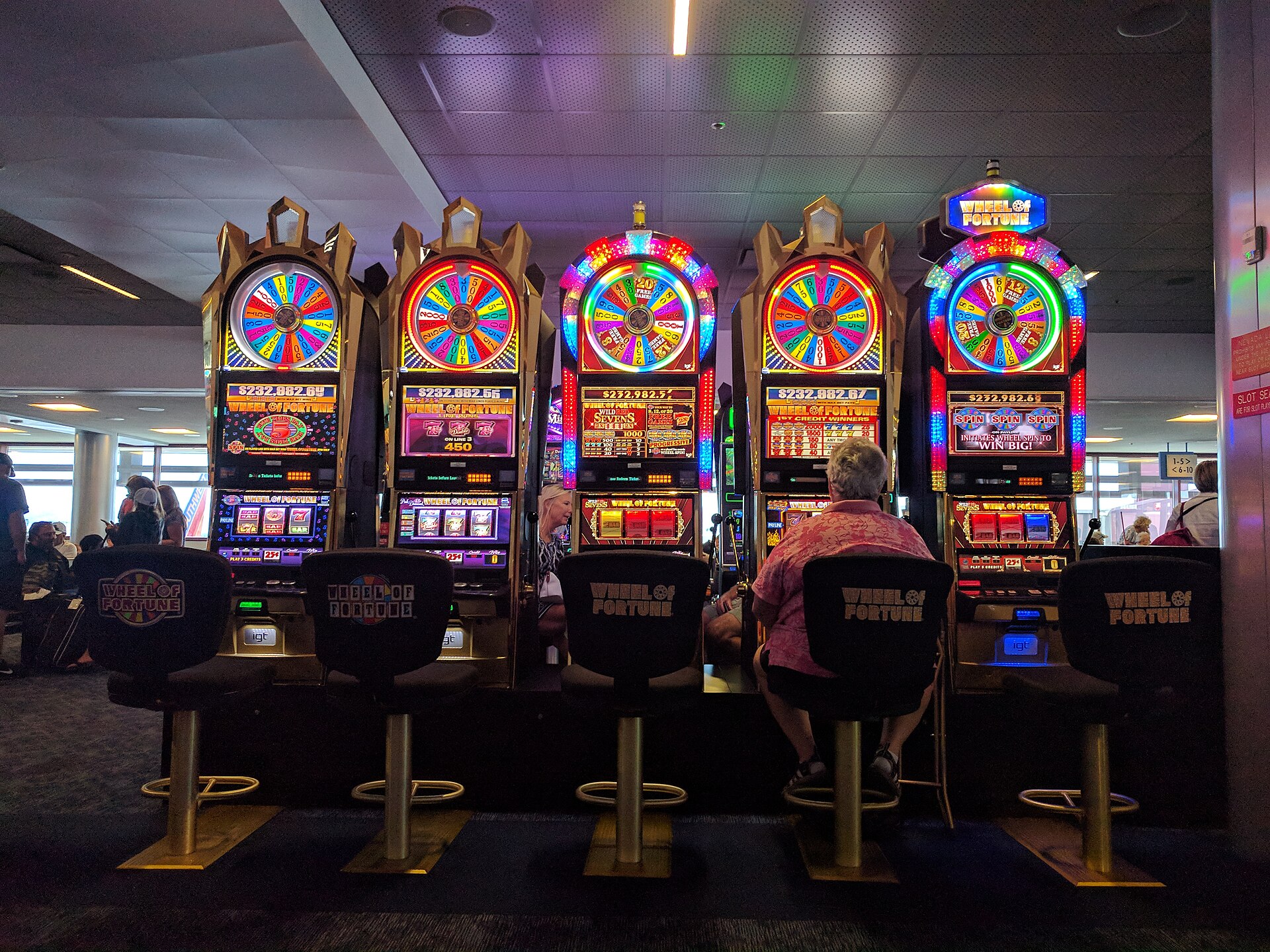
The machine count is what makes the Bishkek case hard to reduce to a generic “illegal casino” headline. Police say they found 276 physical gaming machines inside a premises where customers abroad connected by mobile phone, placed bets and played remotely.
The operation had another layer that is easy to miss. According to Kyrgyzstan’s Interior Ministry, the company behind it was registered and received the relevant licence in 2024. Investigators nevertheless opened a criminal case under Article 262 of the Criminal Code and are examining alleged tax non-payment, hidden income, unlawful profit and money laundering.
Those are allegations under investigation. The ministry has not named the company, published a final damage figure or established the role of each suspect. Five people were taken to the investigative service: three Kyrgyz citizens and two foreign nationals. No charge alone is a conviction, and the lack of an announced company name limits what can be verified independently.
A licence starts a compliance story; it does not finish it
Kyrgyzstan’s gambling rules distinguish casino, gaming-hall, bookmaker, totalisator, online-casino and electronic-casino licences. The official regulation also says an operator may conduct only the activities in its licence, must keep the game and betting rules available, must register players and must pay applicable taxes and charges.
Those duties sit in the same regulatory framework, but they answer different questions. A licence addresses permission to conduct a listed activity. A tax return addresses money owed to the state. Record-keeping and reporting allow regulators to connect the licensed business to the equipment, transactions and customers actually present. An operator can hold one valid item of paperwork and still face a separate allegation about how the business was run.
The Bishkek investigation therefore turns on evidence that is not visible from a logo on a machine. Who controlled the company? Which machines were declared? Were player deposits and payouts recorded? What was the relationship between the local premises and the foreign customers using phones to reach it? The ministry is still examining those links.
The physical machines make the remote player harder to locate
A conventional slot hall puts the player and the cabinet in the same room. Here, the authorities describe a split arrangement: a machine in Bishkek and a customer outside the country controlling or joining the game through a phone. Physical equipment does not make that relationship more transparent merely because it can be seen.
For a player, the split changes the useful questions. Which legal entity holds the account? Where is the account operated? Whose address receives a complaint? Which regulator can order a payout dispute to be investigated? The official Kyrgyz regulation requires an online casino to publish its operator name, actual management address, licence number and date, game list, rules, payout deadline, player-balance controls and the time allowed for handling a complaint.
If those details are missing or point only to an anonymous chat channel, the licence badge has not supplied the information needed to test it. TopGamb’s legal-status checklist approaches the question from the domain and operating company. The guide to a regulated iGaming market explains why permission in one country does not automatically guarantee service to a player in another.
The tax allegation is public-interest news and a private warning
Unpaid tax is not a victimless administrative footnote. Licensing and tax revenue help fund supervision, enforcement and public policy. A structure that takes bets while leaving the state budget untouched also weakens the visibility regulators need to monitor the market.
That does not allow a reader to assume every foreign-facing casino is evading tax. The allegation relates to one unnamed licensed company and a continuing investigation. It also does not prove that every customer lost money or that every machine was configured in the same way.
For a player, the warning is narrower. A site can present a familiar game, a working cashier and a licence number while still leaving important operational facts outside the screen. Check the licence against the authority’s register, read the payout and complaint terms, and make sure the payment recipient matches the operator. If the site cannot explain those relationships, stopping is cheaper than discovering the gap during a withdrawal.
Enforcement can also become confusing after domains disappear. TopGamb’s explainer on illegal-site blocking covers the difference between removing an address and resolving an account balance. A player should preserve the account URL, deposits, terms and support messages before the route to the operator changes again.
A licence is especially weak evidence when the player is outside the market
Kyrgyzstan’s current framework is built around foreign players, with citizens excluded and foreign customers required to be at least 21. Those restrictions define who may enter the market, not whether a particular cross-border customer understands which protections follow the account.
Remote players should be able to find the licence and complaint route without relying on an intermediary. They should know whether identity and location checks are performed by the operator, a payment agent or a third-party platform. They should also know whether a stated daily limit or self-exclusion applies across the accounts they actually use.
TopGamb’s reality-check guide starts with a pause that can interrupt a session rather than a timer that is easy to dismiss. Set an amount before play and decide what happens when the account reaches it. A licensee can provide prompt, time and limit tools; it cannot make a larger loss feel manageable.
What the next police record should answer
The decisive follow-up is not another image of a full gaming floor. It is a clearer financial and corporate trail: the operating company, the licence activity, the declared machines, records of remote access, tax returns, customer payments and evidence of who directed the arrangement. The ministry says its inquiry is continuing and the size of any damage has not yet been established.
Until then, the headline fact is narrow but significant. A licence existed, and that fact did not stop a criminal investigation into the activity around it. The lesson for players is not that every licensed site is unsafe. It is that “licensed” is a starting question. The licence, the company, the domain, the complaint route and the payment recipient still have to line up.
Police record and Kyrgyz gambling rules


New Casino

Main offer: Recurring weekly and monthly activity rewards plus rakeback; amounts depend on VIP rank and prior play.

Welcome bonus: 150% up to €500 + 50 FS

Welcome bonus: 1st Deposit: 100% up to C$400 + 50 FS

Welcome bonus: First: 100% up to C$700

Welcome bonus: 100% up to C$500 + 180 FS

Welcome bonus: 100% up to C$3,000 + 150 FS
Recent news


