A bad-beat jackpot does not pay every painful loss. The room must define the qualifying losing hand, the beating hand, who counts as an eligible player and how the pooled money is shared.

A Bad Beat Jackpot Starts With a Loser and a Room-Specific Rulebook

Four tens lose to four jacks. The pot goes one way, the table erupts, and the player holding the losing quads may receive a larger payment than the winner. That is the familiar bad-beat jackpot scene. The part that matters before sitting down is less cinematic: the room’s posted definition of a qualifying hand.
In ordinary poker conversation, a bad beat is almost any strong hand that loses at the wrong moment. A bad-beat jackpot is a narrower promotional payout. It funds a separate pool from designated table contributions and releases it only when a listed hand is beaten by another listed hand under the room’s conditions.
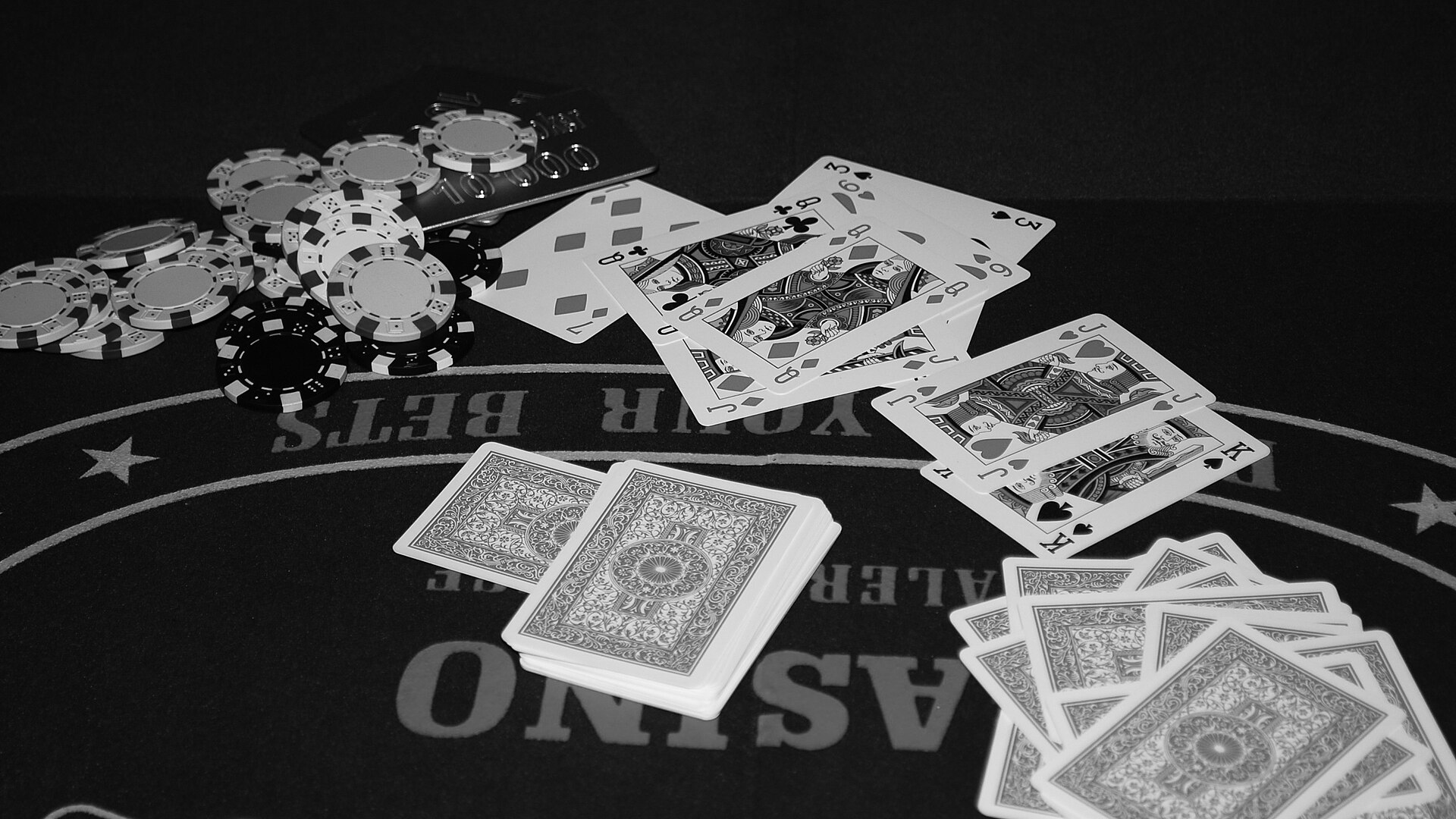
The losing hand is the trigger, not the winner alone
A royal flush winning a pot is a strong hand. It is not necessarily a jackpot event. The room usually requires the player who loses to hold a minimum qualifying hand. Crown Melbourne’s published August-September 2026 Texas Hold’em terms give a clear example: four of a kind tens or better had to lose to a higher four of a kind, a straight flush or a royal flush.
Under those terms, four tens beaten by four jacks qualified. Four tens beaten by a mere full house did not. The winner also had to hold an eligible beating hand. The identity of the best hand at the table could not be substituted for the two-hand sequence written in the promotion.
Other rooms may set a different threshold, such as aces full of tens, and may impose extra conditions. A “quad jackpot” on a casino floor is not evidence that the poker room pays the same way. The label describes a family of promotions, not one national hand list.
Both cards, a full showdown and an active seat can all matter
The Crown example required the bad-beat hand and the winning hand to use both hole cards. That stops a player combining one hole card with four community cards and claiming a qualifying strength the player had not been dealt. Another room might phrase a similar condition differently or add a separate minimum pot size.
Eligibility may also depend on who was dealt in. Crown required at least two active players to have paid a blind and received cards. Its 20% “remaining eligible players” share therefore did not mean every person standing after the hand began.
The promotion can require a completed betting round and a full showdown. If a player mucks a qualifying hand or the cards cannot be verified, the visual drama does not replace the evidence needed to pay the pool. Those conditions should be printed at the table or in accessible room rules, not learned after a supervisor is called.
The meter is separate from the pot and from the player’s stack
In Pennsylvania, a casino that offers a Bad Beat payout must put the money in a separate fund created from table contributions. The approved rules must state the maximum contribution from a pot, the minimum pot size before that contribution is collected, the qualifying requirements and the payouts. The room must post that information and show the current payout amount.
This separation explains why the jackpot can grow while ordinary hands are being played. A small contribution leaves the pot and enters a distinct accounting pool. It is not a player’s side-stack, a normal win and a charitable bonus all at once. The approved room documents decide when contributions begin and where the money goes if the promotion ends.
Crown’s limited campaign used another common split. With one qualifying bad-beat hand, the losing hand received 50% of the jackpot, the winning hand 30% and the remaining eligible players shared 20%. With two qualifying bad-beat hands, the percentages changed, giving 40% to the highest losing hand, 30% to the second and 20% to the winner. Those figures belong to that promotion, not to every poker room.
Why the jackpot can be visually exciting and financially ordinary
The separate pool does not remove the game’s normal costs or the room’s normal uncertainties. Poker is a game of decisions, position, cards and opponents, not a guaranteed return. A jackpot contribution can also change the size of the pot that goes forward in a hand, even when no jackpot is won.
The progressive display makes an unlikely event more vivid. A large figure above the tables can encourage a player to stay longer than planned, especially after a session has produced a painful loss. That is the point at which the smart question is not “how close is the jackpot?” It is “would I be sitting here at this stake for this long if the meter were blank?”
TopGamb’s progressive-meter explainer separates a displayed total from the player’s expected outcome. The jackpot headline check helps prevent a promotion from becoming an argument for an unplanned deposit, and the house-edge guide explains why a rare high-value payout can coexist with an unfavourable long-run structure.
What to read before sitting in the game
Look for the qualifying bad-beat hand and the required winning hand. Find out whether both hole cards must play, whether a minimum number of players must be dealt in, whether the pot must reach a threshold and which game type is covered. Check the contribution amount, the displayed jackpot value and the payout division among the bad-beat hand, the winning hand and the table.
TopGamb’s cardroom rules checklist applies neatly here because the jackpot is part of the game’s conditions. Ask whether a tournament, limit game or particular Hold’em variant is excluded. Confirm how a tie or simultaneous qualifying table is handled. If the rules are unclear, do not treat the dealer’s explanation as the full contract.
When a jackpot is called, leave the cards where they are and ask for the floorperson. The room will usually verify the hand and the contribution record before paying. A photograph of the board is not a substitute for the cards, the table number and the room’s own verification. The money may also be paid through a cage rather than as cash at the table.
A bad-beat jackpot can turn one unlucky poker hand into a memorable payment. It cannot turn repeated play into a plan. Set a session budget and a stopping time before the first blind, and use a break if the meter is making it harder to leave. GambleAware offers free, confidential support if that decision has already slipped beyond your control.
Room terms and gambling support


New Casino

Main offer: Recurring weekly and monthly activity rewards plus rakeback; amounts depend on VIP rank and prior play.

Welcome bonus: 150% up to €500 + 50 FS

Welcome bonus: 1st Deposit: 100% up to C$400 + 50 FS

Welcome bonus: First: 100% up to C$700

Welcome bonus: 100% up to C$500 + 180 FS

Welcome bonus: 100% up to C$3,000 + 150 FS
Recent news


