The UK Gambling Commission says Betfred operator Petfre will pay £900,000 after social responsibility failures, including delayed action when customers showed markers of harm.

Betfred Settlement Shows Why Automated Safer-Gambling Checks Cannot Be Cosmetic

The latest Betfred case is a reminder that safer-gambling technology is only useful when it acts quickly enough to interrupt harm. On June 30, the UK Gambling Commission said Petfre (Gibraltar) Limited, which operates betfred.com, will pay £900,000 as part of a regulatory settlement after social responsibility failures.
The Commission said the investigation followed a compliance assessment and found weaknesses in Petfre’s policies and procedures. The failures included insufficient automated processes to identify indicators of harm such as spend, time spent gambling and patterns of spend, and insufficient immediate automated action when strong indicators were detected.
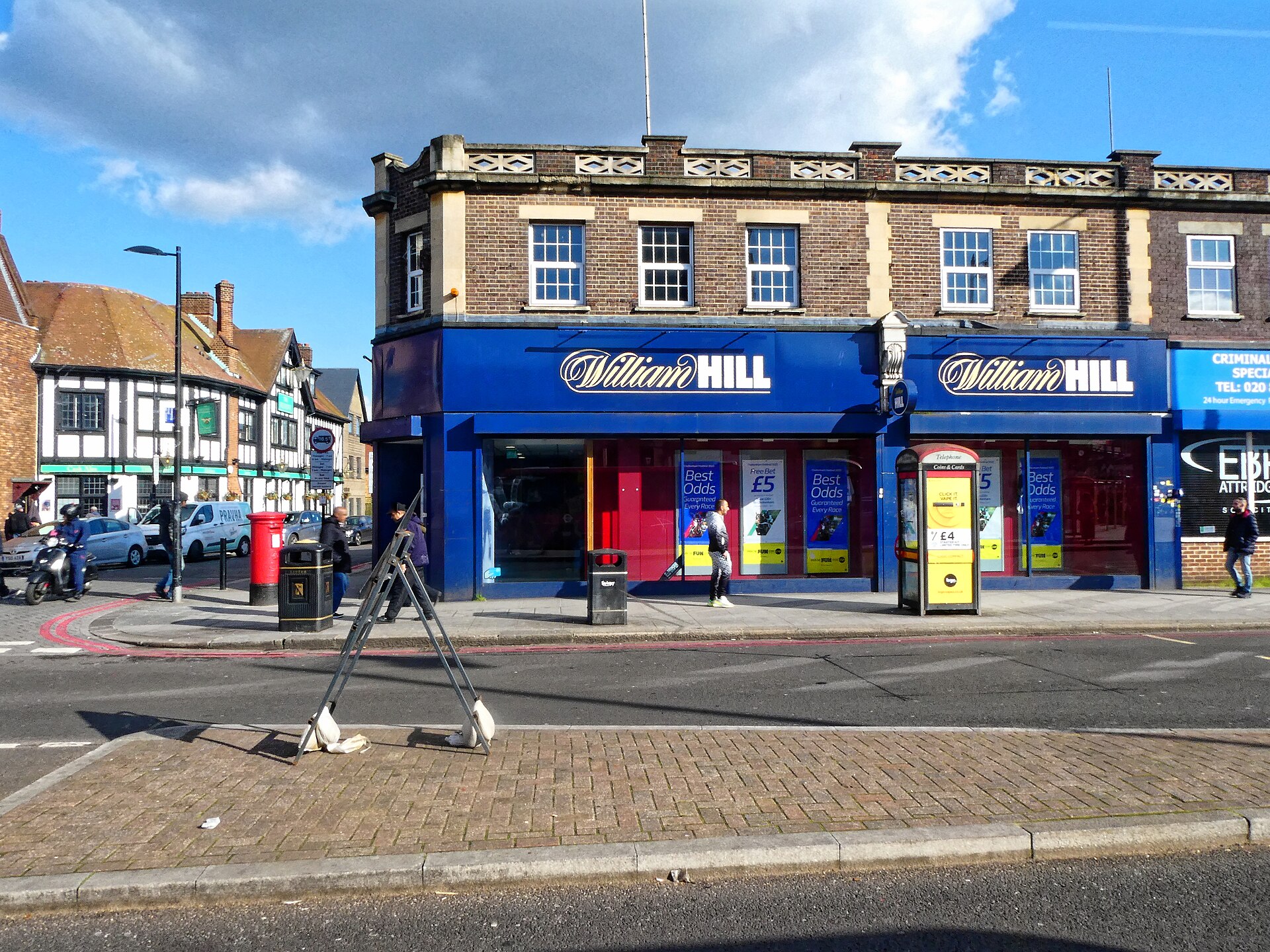
One detail explains why the case matters to players. The regulator said Petfre used a process where, once a customer’s account had been flagged for a safer-gambling review, it would not be flagged again for seven days. In one instance, a consumer lost £17,900 within 24 hours without an additional interaction.
Yogonet reported the same settlement on July 1, citing UKGC enforcement director John Pierce’s point that the operator did not have sufficiently effective procedures in place and that some customers displaying markers of harm were not contacted quickly enough. The Commission’s public statement says Petfre cooperated, put an action plan in place and agreed to publication of the facts.
Why a seven-day gap matters
A safer-gambling alert is not a trophy for a compliance dashboard. It is supposed to trigger a real decision while the customer’s behaviour is still changeable. If a player can continue escalating for a week after being flagged, the system may be recording risk instead of reducing it.
The same lesson applies to players comparing online casinos and sportsbooks. A site may advertise AI monitoring, affordability checks, session tools or safer-gambling reviews. The useful question is what happens next. Does the operator pause play, force a break, lower limits, ask for source-of-funds information, or contact the customer in a meaningful way? Or does the alert sit in the background while deposits continue?
TopGamb’s guides to loss limits, AML checks, enhanced due diligence, withdrawal records and online gambling safety all make the same practical point: the control has to change behaviour, not just explain it later.
What players can check before a problem starts
Players cannot audit an operator’s full risk engine from the outside, but they can check for visible signs. Is it easy to set deposit, loss and time limits before making the first deposit? Can those limits be lowered immediately? Is self-exclusion available from the account area? Do responsible-gambling pages explain what markers of harm the operator monitors? Does customer support understand limit tools, or does it push the player back toward bonuses?
It is also worth treating verification friction in a more balanced way. A player may find affordability or source-of-funds checks annoying, especially during withdrawals. But a market with no meaningful checks can become worse when a session turns unhealthy. The real problem is not that controls exist. It is when controls arrive late, are unclear, or operate only after large losses have already happened.
The responsible-gambling takeaway is direct. If you have triggered your own warning signs, such as repeated deposits, longer sessions, hiding losses or trying to recover money quickly, do not wait for the operator to notice. Use account limits, take a break, self-exclude where needed and contact a local support service if gambling no longer feels controlled.
Why operators should read the case carefully
The settlement does not say automation is bad. It says automation without timely intervention is not enough. For players, that distinction matters because many gambling sites now describe safety systems in broad language. The better question is whether those systems can stop or slow play at the point of risk.
Sources
- UK Gambling Commission: Petfre (Gibraltar) Limited to pay £900,000 for regulatory failures
- UK Gambling Commission public statement: Petfre (Gibraltar) Limited
- Yogonet: Betfred to pay $1.2 million to settle UK gambling regulator probe
- iGB: Betfred to pay following gambling harm prevention failures
Reader Questions
Was this a fine or a settlement?
The Gambling Commission describes the outcome as a regulatory settlement, including a £900,000 payment in lieu of a financial penalty and payment toward investigation costs.
What should players learn from the Betfred case?
Do not rely only on an operator spotting every risk. Set limits early, pause when warning signs appear, and choose sites where safer-gambling tools are visible before depositing.


New Casino

Welcome bonus: Refer a Friend: 10% of the house edge

Welcome bonus: 150% up to €500 + 50 FS

Welcome bonus: 1st Deposit: 100% up to C$400 + 50 FS

Welcome bonus: First: 100% up to C$700

Welcome bonus: 100% up to C$500 + 180 FS

Welcome bonus: 100% up to C$3,000 + 150 FS
Recent news


