A sportsbook prices bets against the house, while a betting exchange matches customers against each other. The difference changes odds, fees and risk.

Betting Exchange vs Sportsbook Explained

A sportsbook and a betting exchange can both offer markets on the same match, but they are not the same product. A sportsbook usually quotes odds and accepts the bet against its own book. A betting exchange is closer to a marketplace where customers try to match bets with other customers.
That difference changes the language. At a sportsbook, a player usually backs an outcome: Team A to win, over 2.5 goals, a player to score. On an exchange, a player may back an outcome or lay it, which means taking the other side and accepting liability if that outcome happens. The exchange may then charge commission on winning positions rather than building the whole margin into a fixed price.
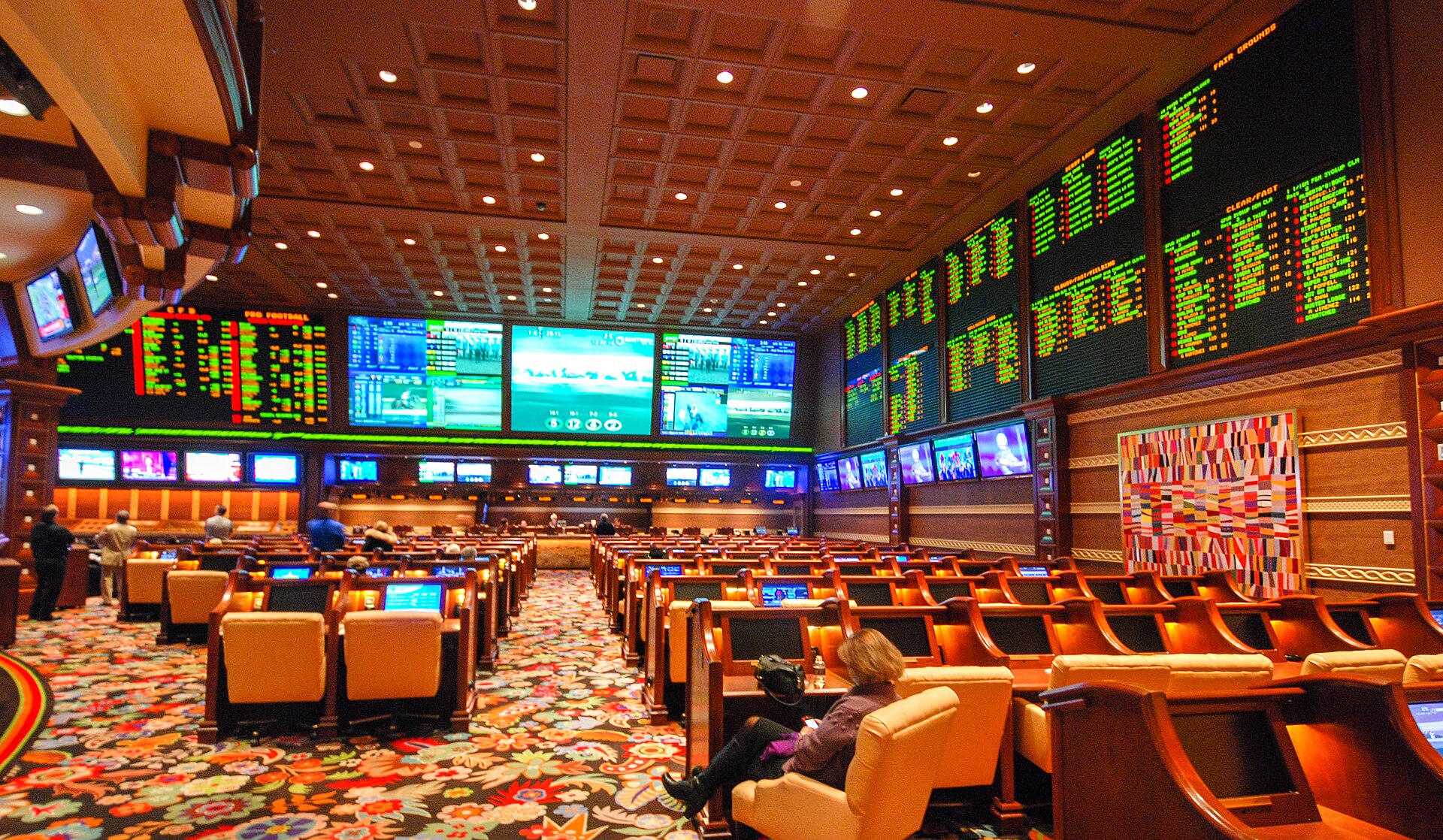
The sportsbook is the counterparty
In a traditional fixed-odds sportsbook, the operator manages the price, margin, limits and risk. If the player wins, the sportsbook pays according to the accepted odds. If the player loses, the sportsbook keeps the stake. The operator may move odds because of team news, liability, market activity or model changes, but the bet is generally a customer-versus-house transaction once accepted.
This model is easier for beginners to understand, but it still has costs. The bookmaker margin is built into the price, and limits or settlement rules matter. TopGamb’s guides to bookmaker margin and overround, implied probability, void bets, cash out and betting units are useful before assuming a simple-looking price is a generous one.
The exchange needs another side
On an exchange, the price depends on available liquidity. A player may see a good price but not enough money waiting to match the full stake. The order can be partially matched, unmatched or matched at a different moment if the market moves. That can be useful for experienced bettors, but it adds moving parts that casual players may underestimate.
Lay betting is the clearest example. If you lay a team at 4.00, you are not risking one unit to win three. You are accepting the liability that comes from being the other side of someone else’s back bet. A small displayed stake can involve a larger possible loss, depending on the odds. Players who do not understand liability should not use lay markets.
The Gambling Commission’s strategic assessment has noted that betting exchanges carry different risks because of their peer-to-peer nature and the complexity of matching customers across markets. Its wider comments on prediction markets also show why labels matter: a product that looks like trading can still fall into gambling regulation when chance, staking and event outcomes are involved.
Neither model removes responsible-gambling basics
Some players treat exchanges as if they are automatically fairer because the house is not setting every price. That is too simple. Commission, liquidity, unmatched bets, fast-moving odds and lay liability can still create expensive mistakes. A sharper price is not helpful if the player stakes too much or misunderstands the loss.
A safer comparison starts with four checks. First, who is licensed to provide the product in your location? Second, what are the fees, margins or commissions? Third, can you clearly see maximum loss before confirming? Fourth, do the same limits, time-outs and account controls apply as they would at a sportsbook?
For most casual players, the sportsbook is simpler. For experienced players, an exchange may offer more control, but only if they understand matching, liquidity and liability. Either way, the right stake is still the one that fits the budget before kickoff, not the one that feels justified because the price looks better than the screen next to it.
Reader Questions
Is a betting exchange always cheaper than a sportsbook?
No. Exchange prices can be competitive, but commission, low liquidity and unmatched orders can reduce or erase the advantage. Always compare the real return after fees.
What does laying a bet mean?
Laying means betting against an outcome. You win if that outcome does not happen, but your liability can be larger than the amount you hope to win.
Sources


New Casino

Welcome bonus: List of Parimatch Casino Bonuses

Welcome bonus: 200% up to C$500 + 100 FS

Welcome bonus: 100% up to C$2,000 + 50 FS

Welcome bonus: 100% up to C$750 + 50 FS

Welcome bonus: 200% up to C$1,404 + 100 FS

Welcome bonus: 100% up to EUR500 + 100 FS
Recent news


