A practical checklist for spotting paid gambling search ads, checking the operator behind them and slowing down before a bonus turns into a deposit.

Check a Gambling Search Ad Before the Bonus Headline Sets the Pace

A paid gambling search ad is designed to make the next click feel easy. That is exactly why it deserves a short check before the bonus headline sets the pace.
The ASA’s September 2026 ruling on a casino-comparison ad is a useful reminder. The ad appeared after a search for “help with gambling”, even though the advertiser said it used negative keywords and did not intend to target people looking for support. The decision was about responsible targeting, but it also gives players a practical habit: read the result as advertising first, information second.
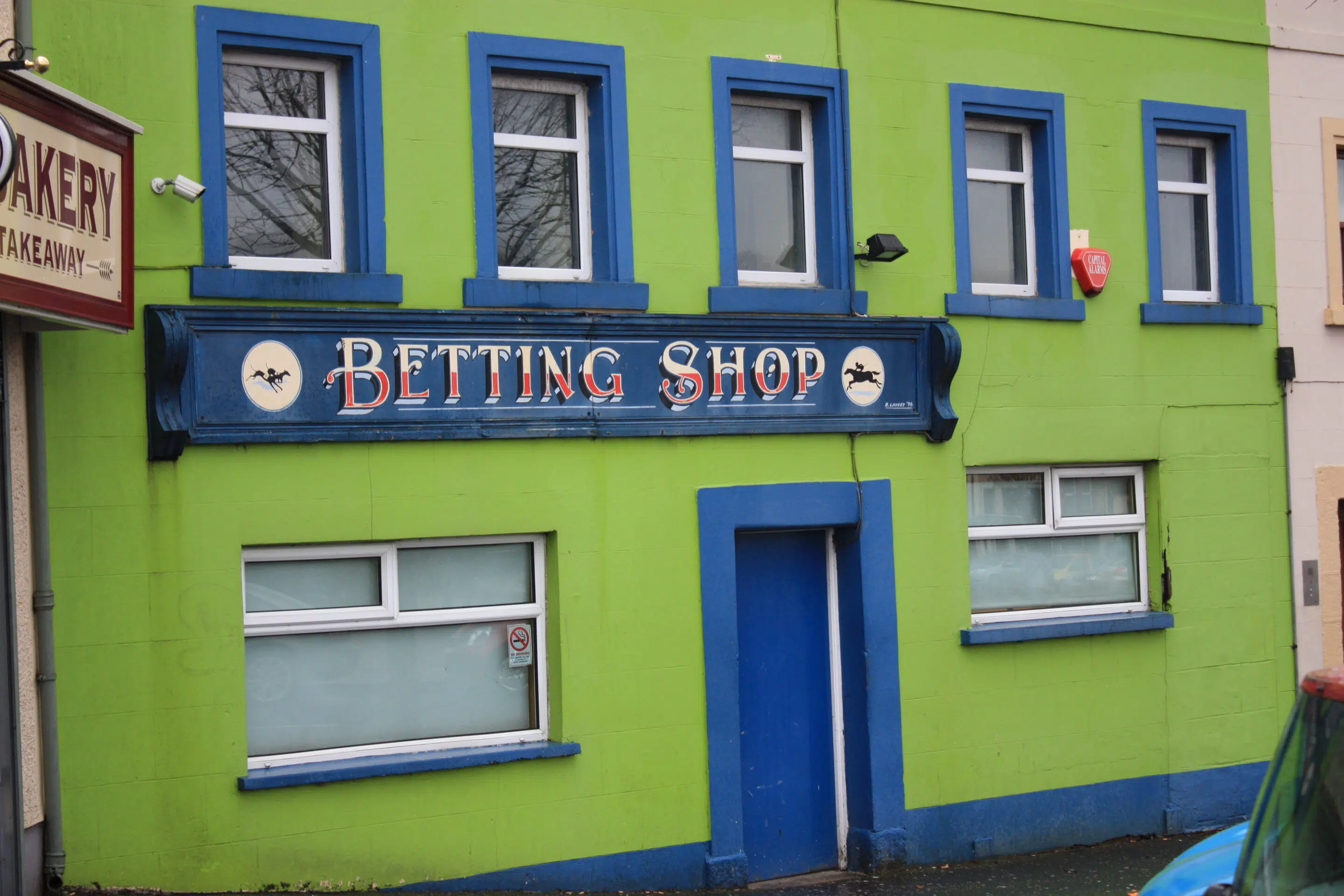
Five checks before the click
1. Identify the paid result. Look for the “Ad” or “Sponsored” label. A search placement is not the same as a regulator listing, an independent review or a recommendation from a support service.
2. Find the legal operator. A comparison page may be an affiliate and may not run the casino itself. Find the operator name, licence information, country restrictions and complaint route before creating an account. If the page makes the brand easy to see but the legal entity difficult to find, slow down.
3. Separate the bonus from the account. Read the wagering requirement, expiry, maximum bet, eligible games, withdrawal rules and any win cap. A large headline number tells you what the advertiser wants you to notice, not what the offer is worth under your budget.
TopGamb’s guides to checking legal status, affiliate links, KYC, cashier testing, loss limits and online gambling safety cover the checks that an ad cannot do for you.
4. Check whether the page is responding to your intent. If you searched for self-exclusion, gambling help, debt support or limits, a bonus page is the wrong answer even if it looks polished. Leave the result and go directly to a regulator or support organisation.
5. Decide the budget before registration. A search ad can create urgency with “fast signups”, “limited offers” or a live sports countdown. Set the amount and time before opening the cashier. If the click already feels like a way to recover a loss, take a time-out instead.
Do not let a clean landing page do all the convincing
A well-designed page can still be an acquisition funnel. Check the footer, terms, licence register and payment information. Use your own legal name and a payment method you control. If you cannot explain who would handle a withdrawal dispute, the page has not passed the basic test.
The Gambling Commission’s guidance on illegal gambling is a useful baseline: players should understand whether the business is licensed for the activity it offers. A paid placement does not change that obligation, and neither does a familiar comparison brand.
When not to click
Do not click a bonus result when you are searching for help, trying to stop, or looking for a way around a limit. Do not click when the ad hides the operator, uses pressure language, or makes the offer impossible to compare. GamCare describes time-out tools as a way to create distance from gambling. Sometimes the safest search result is the one you close.
References
- ASA: Smart Gravity Ltd t/a top10onlinecasinoreviews.co.uk ruling
- Gambling Commission: What is illegal gambling?
- Gambling Commission: Direct marketing preferences
- GamCare: Time out from gambling
Quick Answers
Are paid gambling search ads always unsafe?
No. A paid placement can promote a licensed business, but it still needs to be checked for legal status, terms, targeting and affordability.
What should I do if an ad appears after a search for gambling help?
Do not use it as support. Close the ad and go directly to a regulator, self-exclusion scheme or gambling-harm service.


New Casino

Welcome bonus: List of Parimatch Casino Bonuses

Welcome bonus: 200% up to C$500 + 100 FS

Welcome bonus: 100% up to C$2,000 + 50 FS

Welcome bonus: 100% up to C$750 + 50 FS

Welcome bonus: 200% up to C$1,404 + 100 FS

Welcome bonus: 100% up to EUR500 + 100 FS
Recent news


