A Czech cross-operator risk project is trying to spot gambling harm across accounts without handing operators a shared customer database.

Czech IRIS Gambling Model Shows Why Shared Player-Risk Data Matters

The Czech Republic’s latest player-protection debate is not only about a new limit or a single enforcement case. It is about a harder question: what happens when a risky gambling pattern is visible only after several operators look at the same player at the same time?
iGaming Business reported on July 7 that the Institute for Gambling Regulation, known as IPRH, is developing IRIS, a cross-operator system intended to classify player risk across participating Czech operators. The article says the project uses pseudonymised identifiers from the state licensing infrastructure rather than a shared database of names and gambling histories.
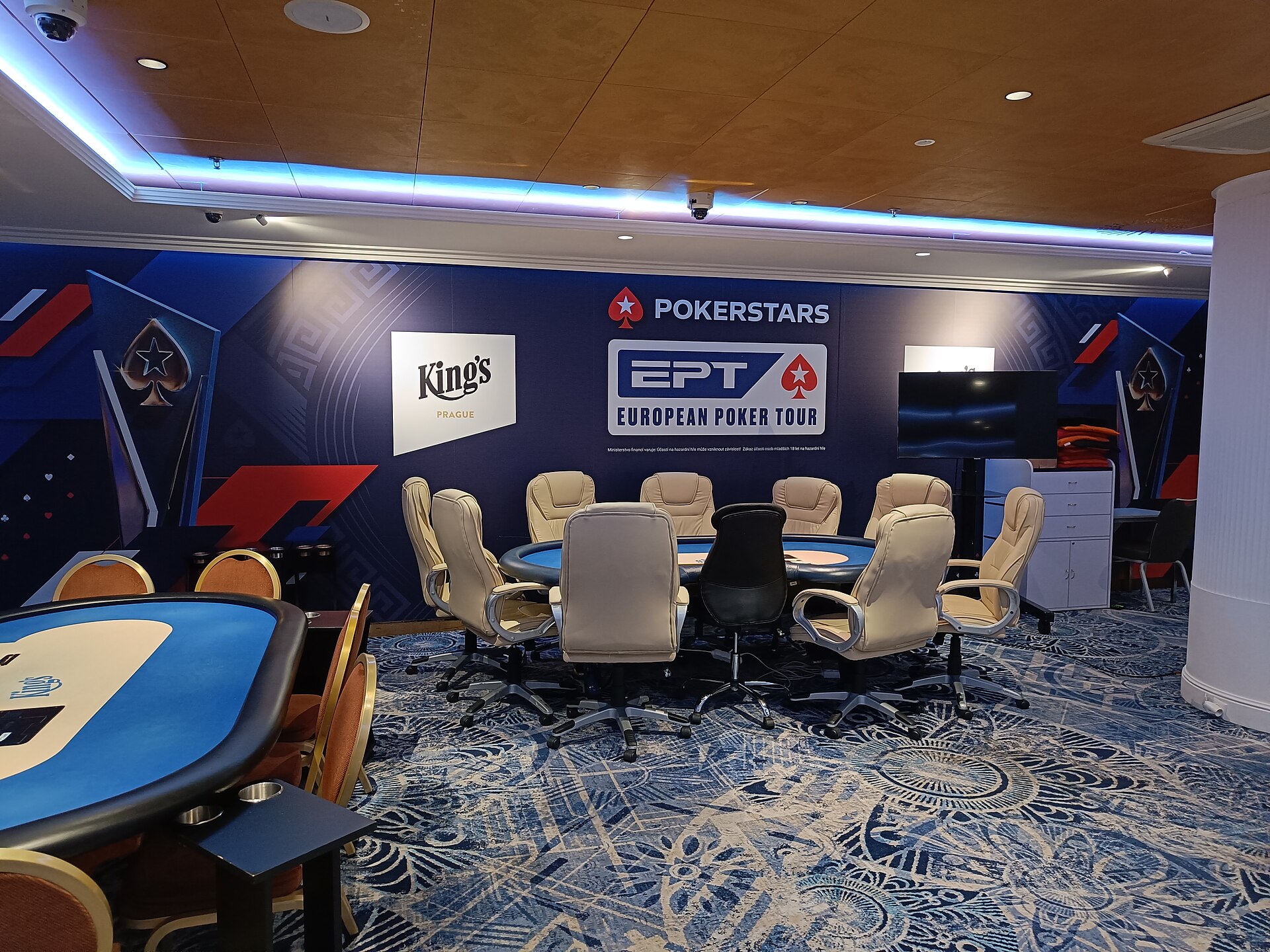
The idea is simple enough to understand and difficult to execute. A player may not look especially risky at one operator. Across four accounts, the same player may be increasing stakes, extending sessions and building losses quickly. If one site sends a warning while another sends a bonus, the protection is inconsistent at the exact moment it needs to be firm.
A Useful Signal Is Not a Magic Solution
The careful part of the Czech model is that it does not pretend data alone can solve gambling harm. iGaming Business quoted IPRH director Jan Rehola as saying IRIS should not be presented as a tool that works in every case. Its value would be in testing whether risk scores fall over time, whether escalation slows, and whether players use limits before a situation becomes more severe.
That distinction matters for players. A risk score is not a diagnosis, and a warning message is not support by itself. It is an early signal that should lead to a real intervention: lower limits, a cooling-off period, removal from bonus marketing, direct contact, or self-exclusion where needed.
TopGamb readers can compare the IRIS idea with our explainers on self-exclusion, account-based casino play, geolocation checks, regulated iGaming markets and loss limits. Each tool answers a different part of the same question: can the legal market see and interrupt harm before the player moves somewhere worse?
The Unlicensed-Market Problem Still Sits Behind It
The Czech discussion also has a black-market background. iGaming Business reported earlier in 2026 that studies suggested Czech players were losing up to roughly CZK14.5 billion a year with unlicensed operators, with an estimated $15.9 million in monthly tax revenue lost. That is a market-protection story, but it is also a player-protection story because unlicensed sites are less likely to respect local risk controls.
Shared risk data raises legitimate privacy and governance concerns. Players should not be casually profiled, and operators should not be given more personal information than they need. The Czech version is interesting because it tries to separate identity from intervention. If that balance fails, trust fails with it. If it works, it may show regulators a way to make the licensed market safer without turning every gambling account into a fully shared file.
The practical reader takeaway is modest. Do not assume a licensed site is safe just because it has a logo, and do not assume one account tells the whole story. If you use more than one betting or casino account, judge your limits across all of them. A warning from one operator should be treated as a warning about the whole gambling session, not only that site.
Sources
- iGaming Business: Czech Republic gambling governance and IRIS
- Institute for Gambling Regulation: about IPRH
- iGaming Business: Czech illegal gambling tax-loss report
- National Council on Problem Gambling: responsible gambling
Reader Questions
Does IRIS mean Czech operators share player names?
The reported model is based on pseudonymised identifiers, not a shared list of customer names. The point is to return a risk category to operators while limiting the personal data exchanged.
What should players do if one site sends a risk warning?
Count it across every gambling account. A warning is less useful if the player simply moves the same session, deposits and emotion to another operator.


New Casino

Welcome bonus: Refer a Friend: 10% of the house edge

Welcome bonus: 150% up to €500 + 50 FS

Welcome bonus: 1st Deposit: 100% up to C$400 + 50 FS

Welcome bonus: First: 100% up to C$700

Welcome bonus: 100% up to C$500 + 180 FS

Welcome bonus: 100% up to C$3,000 + 150 FS
Recent news


