ESMA says some event contracts may already fall under Europe’s binary-options restrictions when sold as financial instruments.

ESMA Event Contracts Warning Turns Prediction Markets Into a Player Check

ESMA has given prediction-market operators and players a plain reminder: changing the commercial name of a product does not change the rulebook if the product works like a regulated financial instrument.
The European Securities and Markets Authority said on July 3 that event contracts are agreements with a binary financial outcome, usually a fixed payout or nothing, based on a yes-or-no question about a future event. ESMA’s point is not that every event contract is automatically a financial instrument. It is that contracts tied to MiFID II underlyings may classify as derivatives and, because of the binary outcome, fall inside national product-intervention measures that prohibit binary options from being marketed, distributed or sold to retail clients.
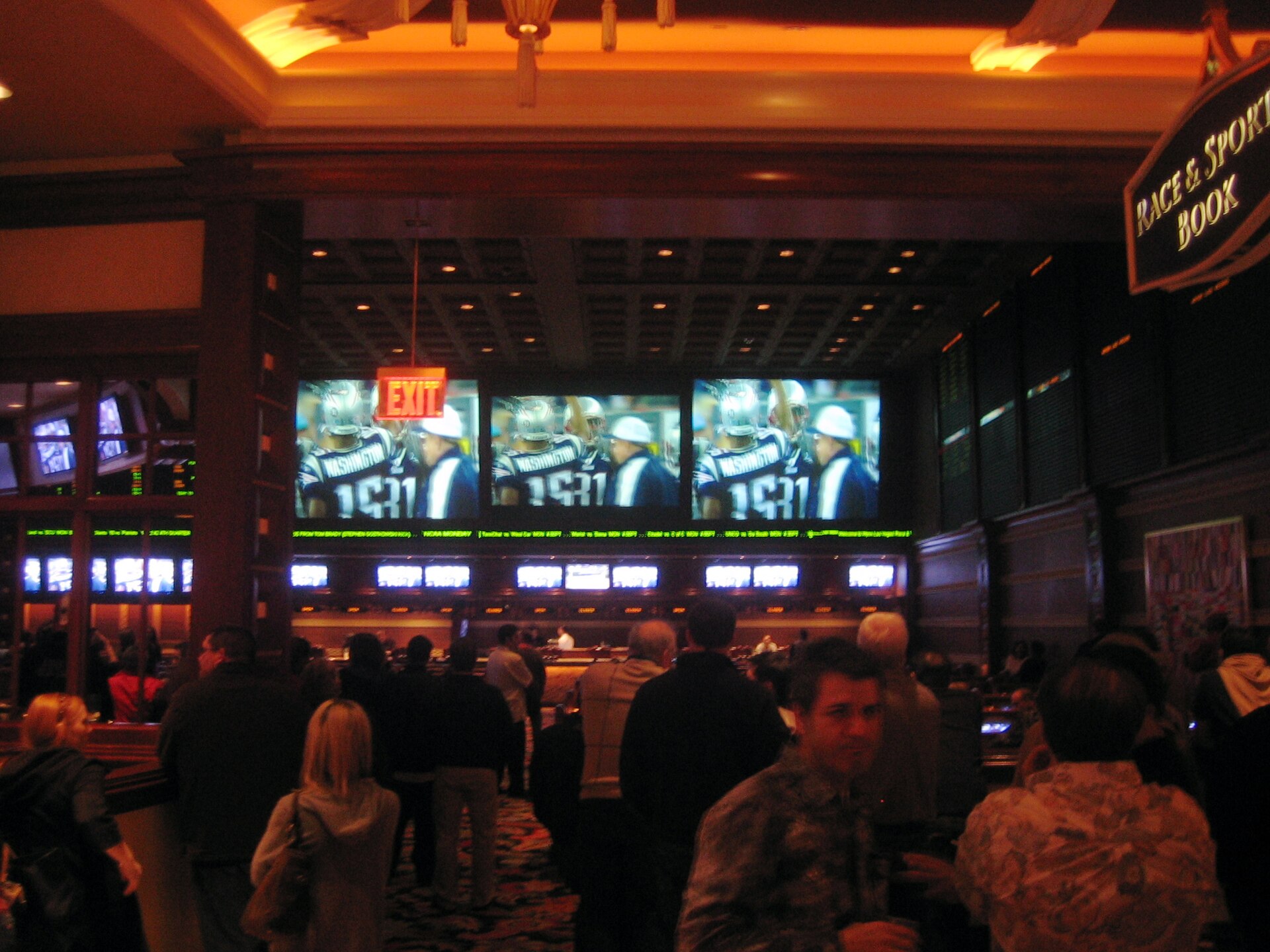
For TopGamb readers, the gambling angle is the confusion created when event markets feel close to sportsbook betting. A yes-or-no market on politics, sport, crypto, rates or a public event can feel as simple as a match bet. The legal treatment can be very different. A product may sit under financial regulation, gambling regulation, crypto rules, or a combination of regimes depending on the jurisdiction and the contract design.
The label is not the safety check
ESMA said firms need authorisation to distribute event contracts that qualify as financial instruments in the EU, even when they are offered only to non-retail clients. The authority also warned national competent authorities and firms against attempts to circumvent the binary-options measures.
That matters because prediction markets can borrow gambling language while avoiding the ordinary gambling signals players know to check. A sportsbook usually shows licence information, responsible-gambling tools, bet settlement rules, account limits and complaint routes. A financial-style event platform may show different disclosures, different risk warnings and different customer protections. Neither style should be accepted on branding alone.
TopGamb has covered related ground in our pages on prediction-market losses, betting exchanges versus sportsbooks, implied probability, regulated iGaming markets and online gambling safety. The shared lesson is simple: check the structure before you treat a price as entertainment.
World Cup hype makes the distinction harder
During a major football tournament, event markets can be promoted next to match odds, outright prices and live-betting discussion. A player may not care whether the site calls the position a bet, a contract or a prediction. But the difference can decide who supervises the product, what happens in a dispute, whether retail access is allowed and whether responsible-gambling tools exist at all.
The safer response is to slow down. If a market has a fixed payout or no payout, ask whether you understand the event question, the settlement source, the jurisdiction, the customer category, fees, liquidity and the complaint path. If those answers are vague, the price is not the main risk.
Responsible gambling still applies even when the interface looks like a trading app. Do not chase losses through a new product because it looks more analytical than a sportsbook. Set a budget, avoid borrowed money and stop when the product’s legal status or settlement rules are unclear.
Sources
- ESMA: existing rules and obligations under binary option measures
- ESMA statement on binary options and event contracts
- Regulation Tomorrow: ESMA public statement on event contracts
- National Council on Problem Gambling: responsible gambling
Reader Questions
Did ESMA ban every prediction market?
No. ESMA said the classification depends on the event question and the relevant legal framework. Its warning is that qualifying financial-instrument event contracts may fall under existing binary-options restrictions.
Can a product be risky even if it is not called gambling?
Yes. A binary payout can still create fast loss-chasing pressure. Players should check authorisation, rules, settlement, fees and protections before depositing or trading.


New Casino

Welcome bonus: Refer a Friend: 10% of the house edge

Welcome bonus: 150% up to €500 + 50 FS

Welcome bonus: 1st Deposit: 100% up to C$400 + 50 FS

Welcome bonus: First: 100% up to C$700

Welcome bonus: 100% up to C$500 + 180 FS

Welcome bonus: 100% up to C$3,000 + 150 FS
Recent news


