Lottery odds explain how unlikely a jackpot is, why rollovers do not make your numbers due, and why more tickets change cost faster than safety.

Lottery Odds and Jackpot Probability Explained

Lottery odds are the chance that a ticket matches the winning draw under the rules of that game. The number can look abstract, but the player lesson is direct: a lottery jackpot is designed to be unlikely, and the fact that someone eventually wins does not make any individual line close to certain.
Different lotteries use different number ranges, bonus balls, prize tiers and draw rules. That means there is no single lottery-odds figure that applies everywhere. Players should read the game procedures for the actual lottery they are entering, not a social post about a different draw.
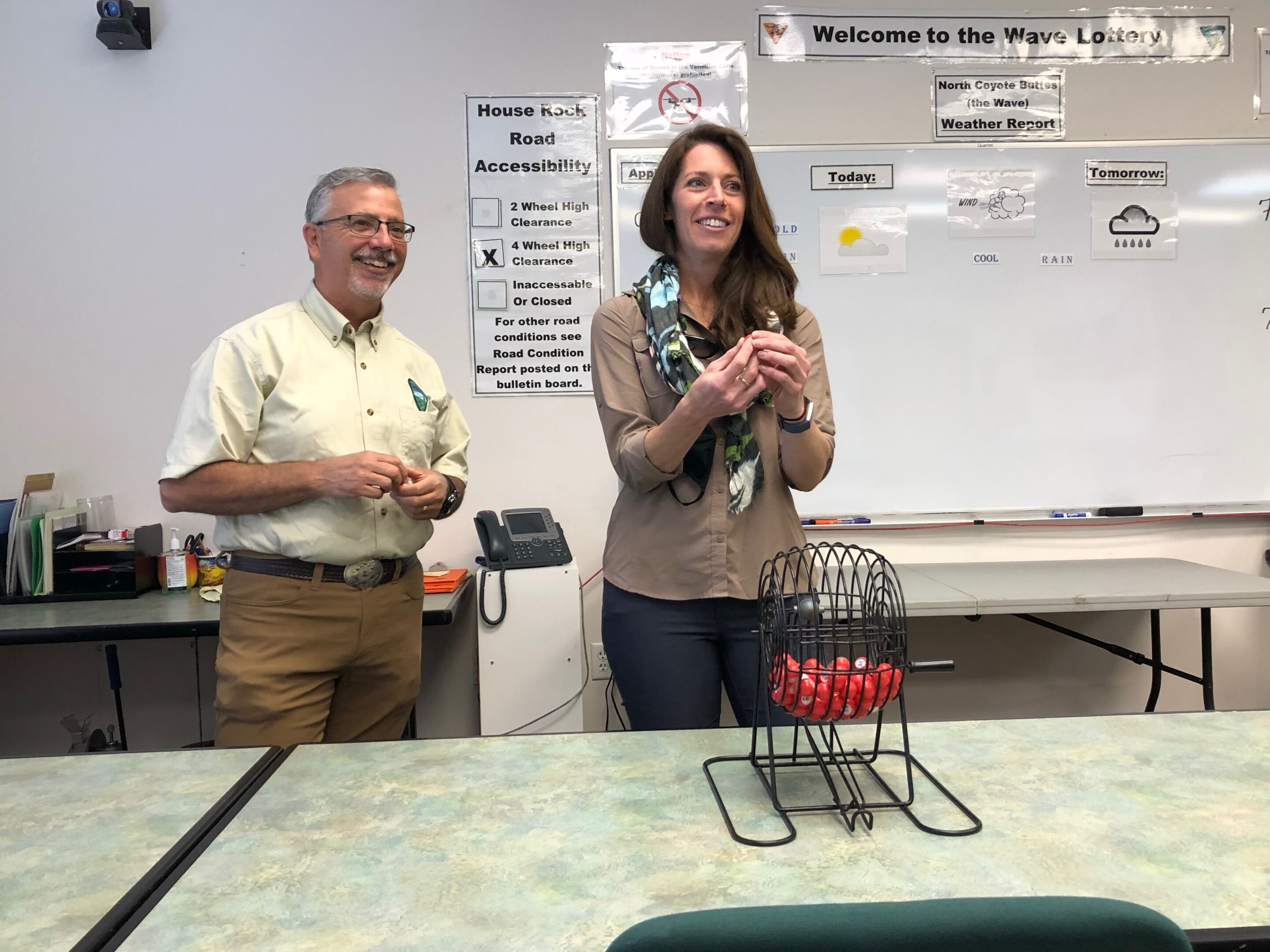
Each draw starts over
The most common misunderstanding is the idea that numbers become due. If a number has not appeared for a long time, it may feel ready. If a jackpot rolls over, it may feel as if the next draw owes someone a win. That is not how a properly run random draw works. Past results do not remember the player, and a new draw does not compensate for an old loss.
The same principle applies to personal numbers. Birthdays, anniversaries and favourite sequences can make a ticket feel meaningful, but they do not create a better chance. They may even cluster choices into smaller number ranges, which matters if a prize has to be shared with other winners who picked similar lines.
TopGamb readers can place this explainer next to our guides on online lottery platforms, winner anonymity, online gambling safety, regulated markets and responsible gambling. The practical point is not to memorise every probability formula. It is to stop treating a long shot as a plan.
More tickets are not the same as safer odds
Buying more tickets can increase the number of combinations covered, but it also increases the cost immediately. For most lottery players, the change in practical winning chance remains tiny while the spending becomes very real. That trade-off is the reason a fixed lottery budget matters more than a feeling that one more line could be the difference.
A simple example is enough. If a draw has millions of possible combinations and one ticket covers one combination, a second ticket covers two. That is technically better than one, but it does not turn the draw into a likely outcome. It doubles the cost before it meaningfully changes the player’s life.
Rollovers change prizes, not memory
A rollover can make a jackpot larger because no ticket won the top prize in a previous draw. It does not make a chosen set of numbers more likely to appear. The higher prize may make the entertainment decision more attractive to some players, but it should not change the money rule unless that extra spend was already planned.
The safer way to read lottery odds is blunt. Buy only for entertainment. Keep the stake small enough that losing is acceptable. Do not use lottery tickets as savings, investment, debt recovery or family rescue. If the jackpot has become a financial plan, the odds have already been misunderstood.
Sources
- The National Lottery: game procedures and odds
- Responsible Gambling Council: gambling facts
- Gambling Commission: lotteries and raffles
- TopGamb: lottery winner anonymity rules
Reader Questions
Do lottery odds improve after many rollovers?
The jackpot may be larger, but the draw probability follows the game rules. A rollover does not make your numbers due.
Does buying more tickets guarantee a better result?
No. It may cover more combinations, but it also raises cost. For ordinary players, the responsible limit matters more than trying to buy a meaningful edge.


New Casino

Welcome bonus: Refer a Friend: 10% of the house edge

Welcome bonus: 150% up to €500 + 50 FS

Welcome bonus: 1st Deposit: 100% up to C$400 + 50 FS

Welcome bonus: First: 100% up to C$700

Welcome bonus: 100% up to C$500 + 180 FS

Welcome bonus: 100% up to C$3,000 + 150 FS
Recent news


