A practical World Cup betting budget guide for setting stakes, limits and stop points before live markets and national-team emotion take over.

Build a World Cup Betting Budget Before Kickoff, Not During the Match

The hardest time to build a World Cup betting budget is five minutes after a missed chance. The second-hardest time is during a live market, when odds change quickly and a small emotional decision can look like a tactical one. The useful work happens earlier, before kickoff, when the match is still a plan rather than a reaction.
A budget is not a prediction tool. It will not make Brazil, Spain or England score, and it will not turn a weak price into value. It simply decides how much entertainment money can be risked, how many bets are allowed, and when the session ends. That sounds almost too plain, but it is exactly the point. World Cup betting becomes risky when the rules are invented while the match is already moving.
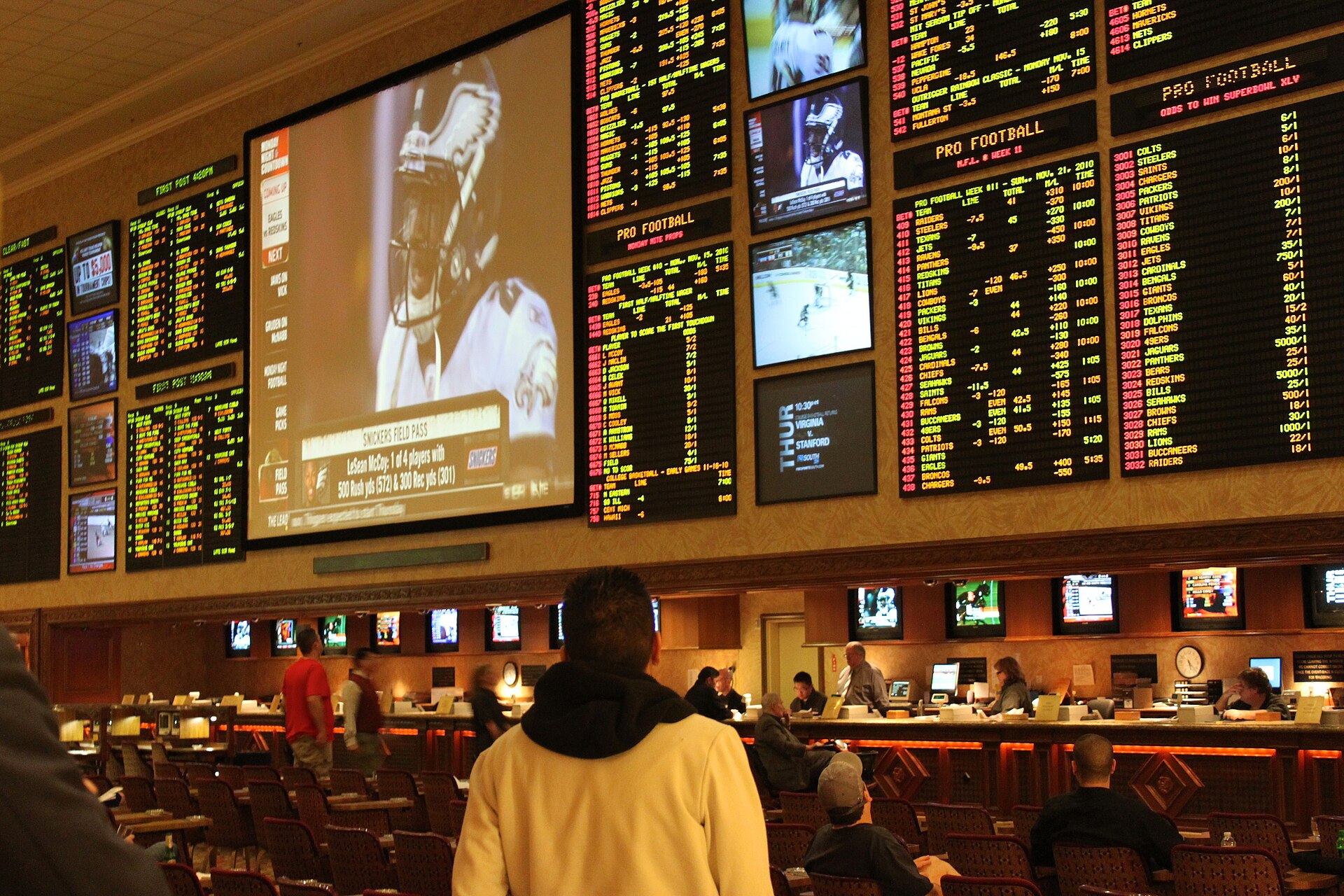
Start With the Amount You Can Lose
The cleanest budget starts with money that is separate from rent, bills, food, savings and debt payments. The Gambling Commission’s safer-gambling guidance and the Responsible Gambling Council’s public tips both come back to the same idea: set money and time limits before play, and avoid gambling with money needed for essentials. For a World Cup match, that means choosing a session amount before opening the sportsbook app.
Then break that amount into units. A casual bettor does not need a complicated staking model. If the match budget is $50, a $5 unit gives ten decisions; a $10 unit gives five. The smaller unit is usually better during tournaments because it leaves room for mistakes without turning one bad read into a chase. TopGamb’s sports betting bankroll guide, loss-limits explainer, cashier test guide and online gambling safety guide all point to the same habit: decide the risk before the promotion or market does it for you.
Live Betting Needs a Separate Rule
Live betting is where a pre-match budget often fails. A bettor plans one wager, then adds a corner bet, a card bet, a next-goal bet and a late equalizer bet because the match feels readable. Sometimes that is entertainment. Sometimes it is chasing, especially after an early loss. The difference is easier to see if the rule was written in advance.
A simple live-betting rule might be: one pre-match bet, one live bet only if the original match read still makes sense, and no deposits after kickoff. Another version is to ban live betting completely for matches involving your own national team. That may sound strict, but emotion is part of the product during a World Cup. The University of Colorado’s student-life sports betting guidance says bettors should understand the wager before placing it and use app tools such as time and money limits. That advice matters more when markets move fast.
The practical takeaway is not to bet less on every match. It is to stop the match from negotiating with you. Decide the session amount, unit size, number of bets and live-betting rule while calm. If you cannot follow those rules once the whistle goes, the issue is no longer odds. It is control.
Reader Questions
Should every World Cup match have the same budget?
No. A bettor can skip low-interest matches completely and set smaller budgets for games that are mainly entertainment. The important part is that the limit is chosen before the match starts.
What is the biggest warning sign during live betting?
Depositing again after a loss is the clearest warning sign. It usually means the original budget has stopped controlling the session.
Can a free bet still create risk?
Yes. A free bet can lead to more deposits, larger stakes or chasing if the player treats it as a reason to keep betting. Read the terms and decide whether you would still place the bet without the offer.
Sources


New Casino

Welcome bonus: List of Parimatch Casino Bonuses

Welcome bonus: 200% up to C$500 + 100 FS

Welcome bonus: 100% up to C$2,000 + 50 FS

Welcome bonus: 100% up to C$750 + 50 FS

Welcome bonus: 200% up to C$1,404 + 100 FS

Welcome bonus: 100% up to EUR500 + 100 FS
Recent news


