1xBet’s Conor McGregor ambassador deal shows why combat-sports promotions need licence, disclosure and bankroll checks before a bet.

1xBet McGregor Ambassador Deal Shows How Fighter Hype Moves Betting Traffic

1xBet’s new Conor McGregor campaign is a marketing story, but players should read it as a betting-behaviour story. Athlete-led gambling promotions work because the fan already cares about the event, the fighter and the moment. The betting brand does not have to create attention from nothing. It only has to redirect attention toward an account.
SBC News reported on July 2 that 1xBet had named McGregor as a global brand ambassador before his scheduled UFC 329 return against Max Holloway on July 11. The operator’s partner material also presents social, forum, email and other promotional channels as routes for affiliates to send traffic to the brand.
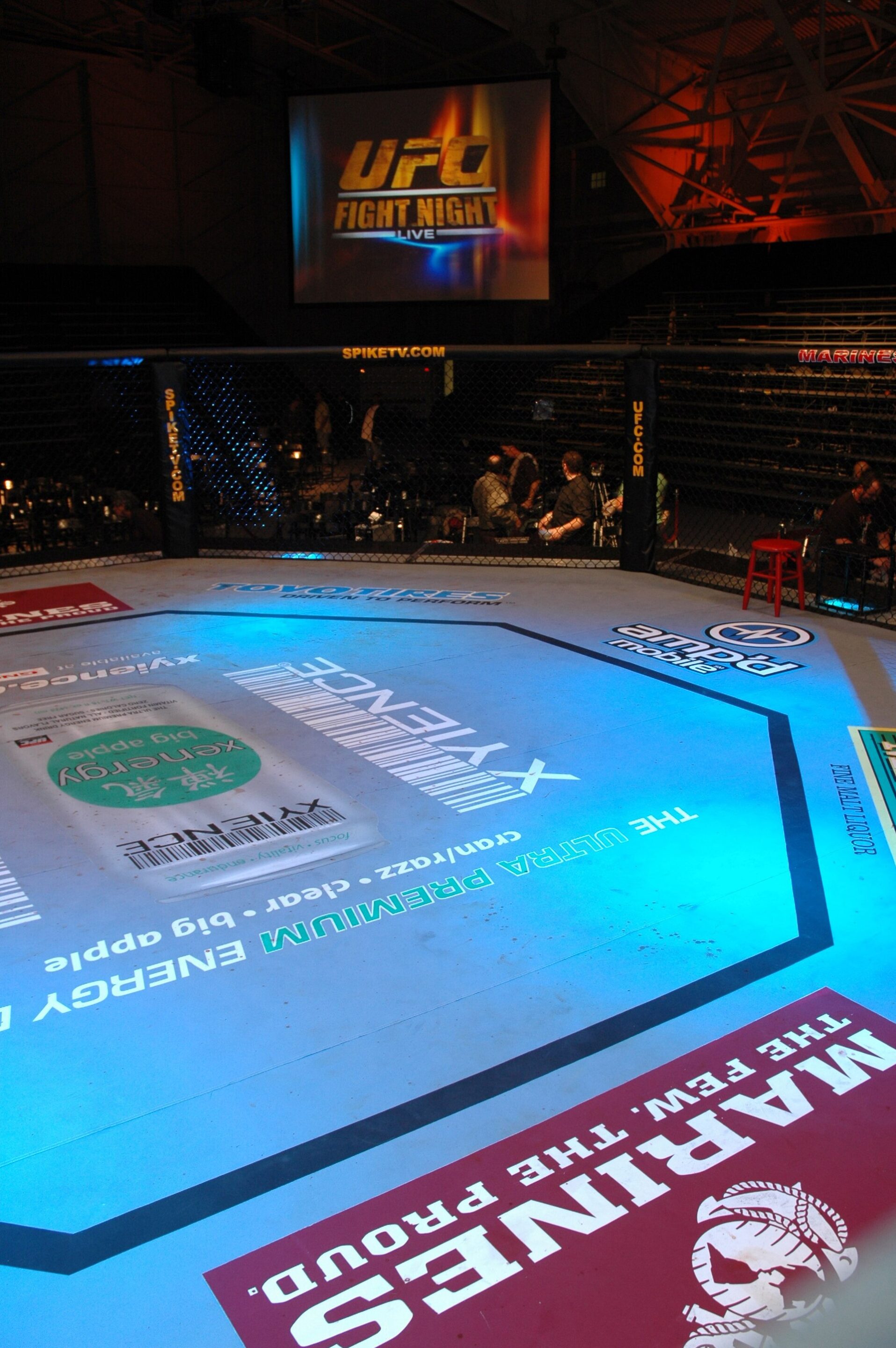
The timing is the important part. A comeback fight, a famous opponent and a short pre-event window create exactly the conditions in which fans can confuse hype with a reason to bet. That does not mean a fighter partnership is automatically unsafe. It means the player should separate entertainment, endorsement and sportsbook risk before opening the cashier.
The promotion is not the player check
A brand ambassador can make a bookmaker feel familiar. It cannot tell a player whether the site is licensed where they live, whether the payment route is safe, whether the bonus terms are fair, or whether the account has useful limit tools. Those checks still have to happen independently.
The Federal Trade Commission’s endorsement guidance is useful outside the United States too because it expresses a basic consumer rule: material relationships should be clear. In gambling, disclosure is only the first layer. Players also need to know whether the operator can legally serve them, how complaints are handled and what happens if account verification fails after a win.
TopGamb readers can connect this with our guides on gambling ad disclosures, regulated iGaming markets, sports betting bankroll management, cashier testing before bonuses and online gambling safety. A famous face can introduce a brand, but it should never replace those checks.
Combat sports make chasing easier
Fight weeks compress emotion. Weigh-ins, press conferences, short clips and social media arguments all encourage certainty. A fan can move from “I want him to win” to “the price is wrong” without doing the ordinary market work. That is especially risky if the promotion includes bonuses, boosted odds, affiliate links or urgent sign-up language.
The safer response is simple. Decide whether you would still use the sportsbook if the fighter were not involved. If the answer is no, the promotion is doing too much of the decision-making. Check the licence, read the bonus terms, set one event budget and skip the bet if the only reason to deposit is the ambassador.
Responsible gambling should stay in view even when the event is genuinely exciting. Do not borrow to bet on a comeback story, do not raise stakes because a favourite is loud in promotion, and do not use a second bookmaker to chase after the first wager loses. The fighter’s risk belongs in the cage. The player’s money should stay inside a planned limit.
Sources
- SBC News: Conor McGregor partners with 1xBet ahead of UFC return
- 1xBet Partners: affiliate program and commission model
- FTC: Endorsement Guides
- Gambling Commission: safer gambling
Reader Questions
Does a brand ambassador prove a sportsbook is safe?
No. It proves a marketing relationship, not local licensing, fair withdrawal rules or strong player protection. Those checks have to be made separately.
What should fans check first?
Check legal availability in your location, payment and withdrawal rules, bonus terms, account limits and whether the promotion clearly discloses the commercial relationship.


New Casino

Welcome bonus: Refer a Friend: 10% of the house edge

Welcome bonus: 150% up to €500 + 50 FS

Welcome bonus: 1st Deposit: 100% up to C$400 + 50 FS

Welcome bonus: First: 100% up to C$700

Welcome bonus: 100% up to C$500 + 180 FS

Welcome bonus: 100% up to C$3,000 + 150 FS
Recent news


