A progressive jackpot meter shows a prize pool that can grow as eligible bets are placed. Here is what the number does and does not tell players.

Progressive Jackpot Meter Explained

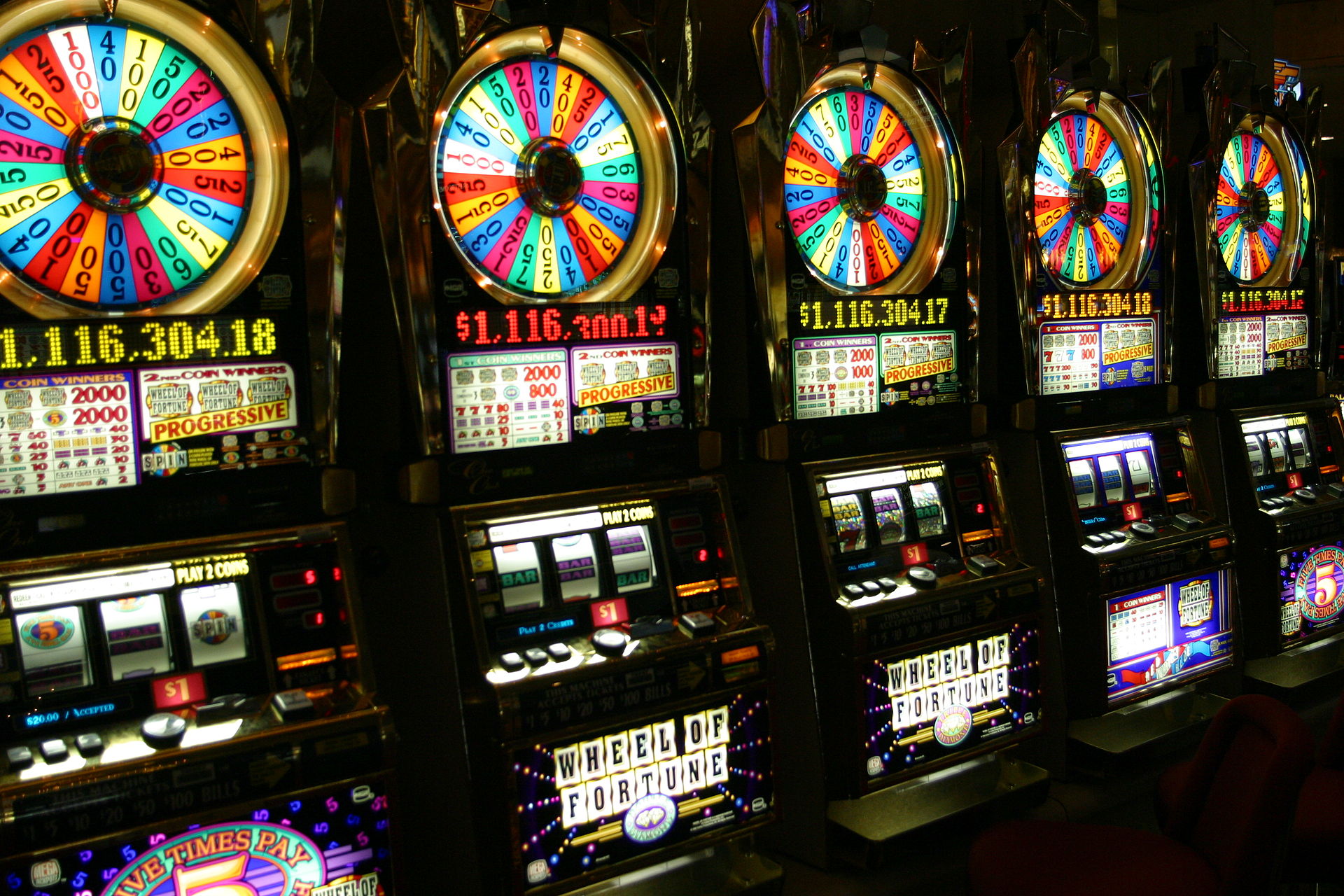
A progressive jackpot meter is the displayed prize amount attached to a game or group of games where the jackpot can grow over time. In many slot and casino products, a small portion of eligible play contributes to the prize pool until the jackpot is won or reset under the game rules.
The important word is displayed. The meter shows a possible prize, not a promise, not a forecast and not evidence that the next spin is due. A large number can make the game feel different, but the player still needs to understand stake size, eligibility, RTP, volatility and the exact trigger rules before playing.
Local, network and fixed jackpots
A local progressive jackpot is usually tied to one casino, one game installation or one operator environment. A network progressive can connect the same game or jackpot pool across multiple casinos, which is why the meter may grow faster and reach larger numbers. A fixed jackpot does not grow in the same way; it has a set top prize or prize tier written into the game rules.
Some games also use must-hit-by ranges, mystery jackpots, mini-major-grand tiers or bonus features that are easy to confuse with true progressive pools. The player should read the help screen rather than guessing from the lobby tile. If a casino cannot explain how the jackpot is funded, triggered and paid, the meter should not be treated as enough information.
TopGamb readers can connect this explainer with our pages on slot RTP, slot volatility, random number generators, casino house edge and loss limits. Jackpot meters sit inside that wider risk picture.
Why the meter can mislead
The meter is visually powerful because it gives the session a single dramatic number. The rest of the information is quieter: how much each spin costs, whether maximum stake is required for jackpot eligibility, whether bonus play contributes, whether the jackpot can be won in demo mode, how taxes or identity checks apply, and what happens if the game disconnects during a round.
RTP can also be misunderstood around jackpots. A game may include jackpot contribution in its long-run math, but that does not mean a short session is likely to experience that return. High-volatility jackpot games can produce long losing stretches. A player who raises the stake because the meter is large may simply increase the speed of loss.
The Gambling Commission tells players to understand what they are gambling on before they play, and its remote technical standards set expectations around game operation and information. For the player, the practical lesson is to read game rules before the first paid round, not after the balance has already dropped.
How to use the information
Use a progressive jackpot meter to identify the game type, not to justify a bigger session. Check whether the jackpot is local or networked, whether all stakes qualify, whether a side bet is required, whether the displayed amount is in your currency and whether the game has unusual disconnection, malfunction or maximum-win rules.
Then set the loss limit before play. If the game only feels attractive because the meter is high, reduce the stake or skip it. If the session becomes a chase for the bonus round or jackpot trigger, stop. The meter is not a schedule. It is a prize display inside a game where the casino still holds an edge over time.
Sources
- Gambling Commission: what to look at before you gamble
- Gambling Commission: remote gambling and software technical standards
- Responsible Gambling Council: safer gambling tips
- National Council on Problem Gambling: responsible gambling
Reader Questions
Does a bigger progressive jackpot mean the game is due to pay?
No. A larger meter does not prove the next spin is more likely to hit unless the game has specific must-hit-by rules, and those rules still need to be read carefully.
Do all bets qualify for a progressive jackpot?
Not always. Some jackpots require a minimum stake, maximum coin setting, side bet or eligible game mode. Always read the paytable and jackpot rules before playing.


New Casino

Welcome bonus: List of Parimatch Casino Bonuses

Welcome bonus: 200% up to C$500 + 100 FS

Welcome bonus: 100% up to C$2,000 + 50 FS

Welcome bonus: 100% up to C$750 + 50 FS

Welcome bonus: 200% up to C$1,404 + 100 FS

Welcome bonus: 100% up to EUR500 + 100 FS
Recent news


