A practical player guide for reading record wins, jackpot photos and prize-pool promotions without letting them change the gambling budget.

Use a Casino Jackpot Headline Check Before Extra Play Starts

A jackpot headline arrives with a built-in problem. It shows the one outcome that everyone notices, while the ordinary losing cards, cold slot sessions and abandoned entries disappear into the background. That does not make the headline false. It makes it incomplete for the next player.
The check should happen before extra play starts. If a record bingo win, a slot jackpot photo or a casino promotion makes you want to add money, buy more entries or extend a session, stop long enough to answer three questions: was this in the original budget, do I understand the game rules, and would I still play if there were no headline?
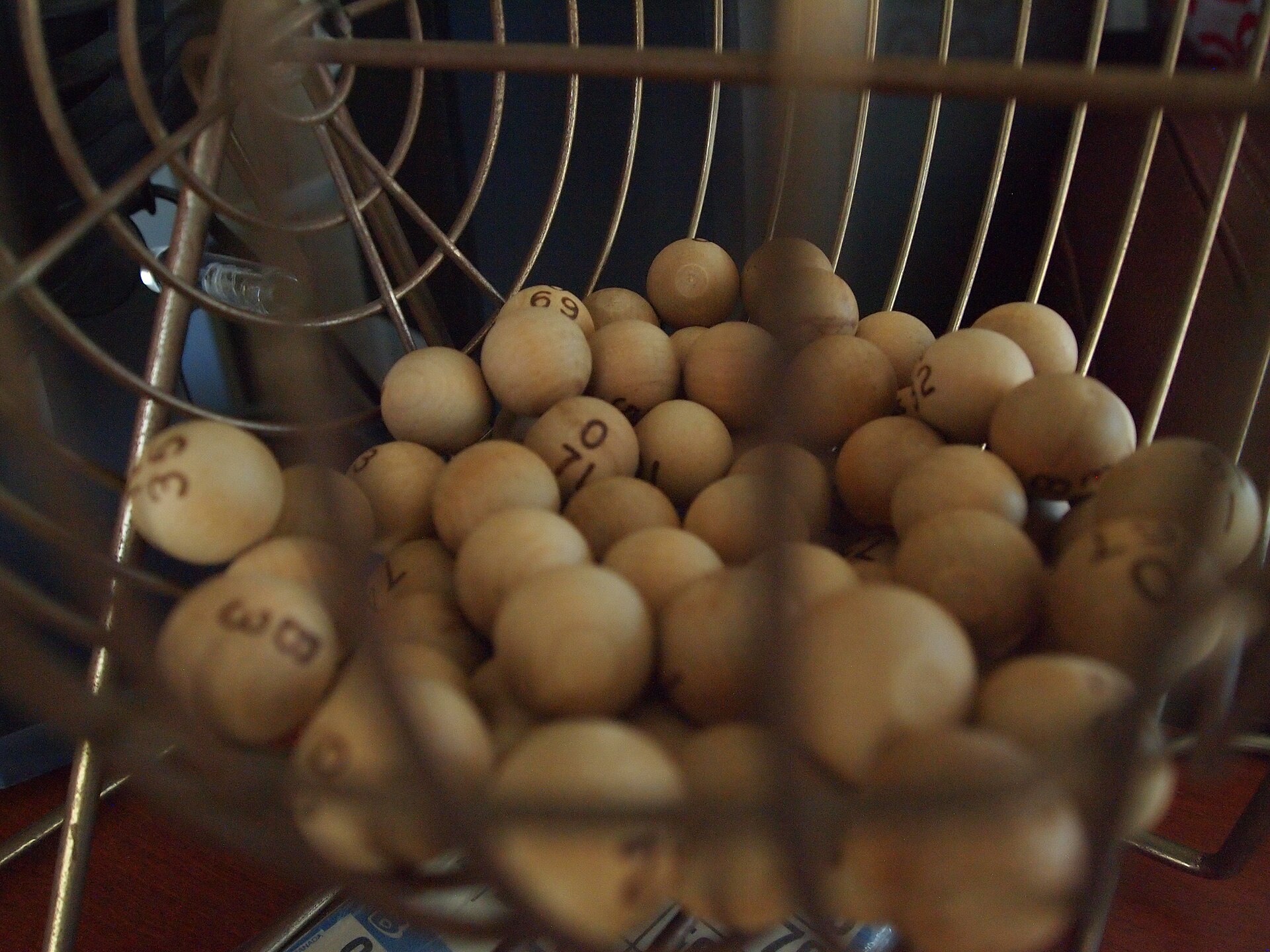
Separate celebration from imitation
It is normal to enjoy a big win story. Casinos have always used public wins to create atmosphere, and players often like seeing someone turn a small entry into a large payout. The risk appears when the story becomes imitation. A player does not need the same budget, game choice or mood after reading about a record win that they had before reading it.
Use a simple rule: jackpot news can inform entertainment, but it cannot raise the spend limit. If the plan was one bingo package, one slot session or one fixed casino budget, the plan stays there. If the headline creates fear of missing out, the game is already working on emotion instead of value.
TopGamb’s related guides on loss limits, cooling-off breaks, casino bonus max-bet rules, testing the casino cashier and slot RTP all point to the same discipline: decide the money before the product starts selling possibility.
Read the payout story like a risk story
A useful jackpot headline contains more than the number. Look for the game type, entry cost, prize structure, whether the prize was fixed or progressive, how many people attended, what rules applied and whether the event was a special promotion. If those details are missing, the headline is entertainment, not enough information for a gambling decision.
That matters online as well as in a casino hall. A slot lobby may show a large progressive meter. A bingo room may advertise a guaranteed pool. A live casino may promote a recent table winner. None of those displays tell you whether your stake is sensible, whether the game fits your budget or whether you are playing because of planned entertainment or because the last result frustrated you.
Responsible Gambling Council advice stresses setting limits before play and keeping gambling separate from financial pressure. The Gambling Commission’s public guidance also points players toward controls such as time-outs, deposit limits and self-exclusion. Those tools are most useful before the headline has already turned into an extra transaction.
When to skip the next session
Skip the session if the headline makes you want to recover a recent loss, borrow money, hide the spend, raise the stake, switch games impulsively or open a new account. Those are not signs of a better opportunity. They are signs that the story has changed the reason for gambling.
A jackpot story should end as a story for most readers. If you still choose to play, keep the budget small, use only money already set aside for entertainment, and stop when the limit is gone. The win that made the news is not a promise. It is the exception that made the news because it was exceptional.
Sources
- Responsible Gambling Council: safer gambling tips
- National Council on Problem Gambling: responsible gambling
- Gambling Commission: safer gambling
- CDC Gaming Reports: Connecticut casino breaks Guinness World Record with $440K bingo win
Reader Questions
Should I avoid jackpot games after reading about a big win?
Not automatically. The point is to avoid changing your budget or session plan because of the headline. If the game no longer fits the plan, skip it.
What is the clearest warning sign?
The clearest warning sign is adding money because someone else won. A public jackpot should not become a private reason to chase.


New Casino

Welcome bonus: Refer a Friend: 10% of the house edge

Welcome bonus: 150% up to €500 + 50 FS

Welcome bonus: 1st Deposit: 100% up to C$400 + 50 FS

Welcome bonus: First: 100% up to C$700

Welcome bonus: 100% up to C$500 + 180 FS

Welcome bonus: 100% up to C$3,000 + 150 FS
Recent news


