Adult gaming centres are 18-plus UK arcades built around gaming machines, with different rules from casinos, bingo halls and family entertainment centres.

Adult Gaming Centres Explained: What UK Slot Arcades Are and Are Not

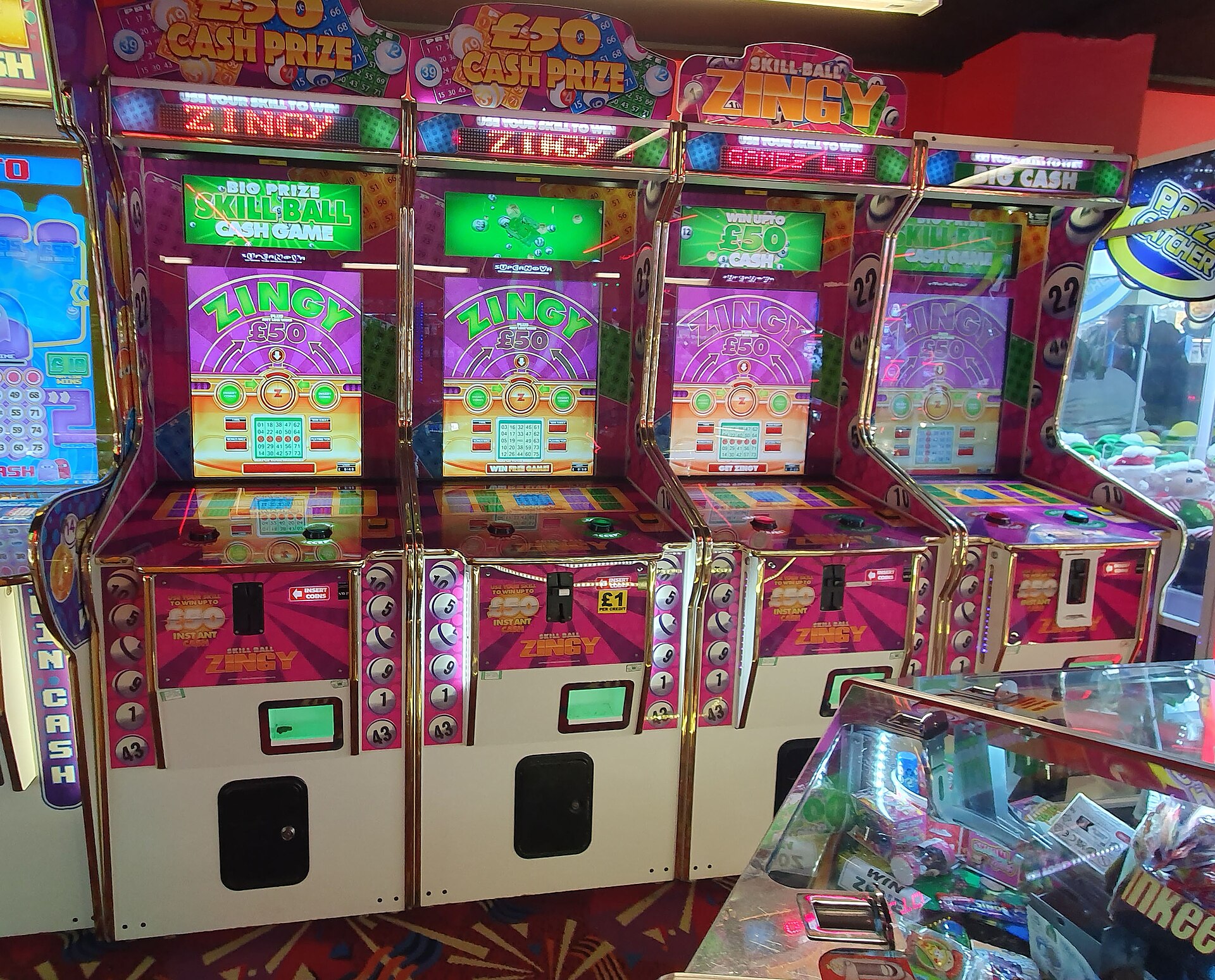
An adult gaming centre, often shortened to AGC, is an 18-plus UK gambling venue built mainly around gaming machines. It may look like an arcade, but it is not a family entertainment centre and it is not a full casino. The licence, machine mix and age rule are the first things to understand.
The UK Gambling Commission’s adult gaming centre licence page says an AGC can offer an unlimited number of category C and D gaming machines, while up to 20% of the total machine number can be category B3 or B4. The same page says the premises is for people aged 18 and over only. Gambling Act 2005 section 172 is the legal anchor for those machine permissions.
How an AGC differs from a casino
A casino normally brings table games, casino-style supervision, a wider gambling floor and different premises permissions. An adult gaming centre is narrower. The core product is machine play: slots, fruit-machine-style games and other permitted machine categories. That narrower product can still carry real risk because machine gambling is fast, repetitive and easy to extend one small stake at a time.
The 20% cap on category B3 or B4 machines matters because those categories can create a stronger gambling feel than low-stake amusement machines. A player does not need to memorise every technical machine category before walking in, but they should recognise that not every arcade-style venue is casual entertainment. If the venue is 18-plus and focused on gambling machines, treat it as gambling.
TopGamb readers can pair this explainer with our pages on slot spin cycle time, casino house edge, casino hold percentage, loss limits and self-exclusion. The machine cabinet changes by venue, but speed and repetition are still the player-safety issue.
Why AGCs are back in the news
Adult gaming centres also matter because retail gambling operators can shift strategy between betting shops, arcades and online play. iGB reported on 3 August 2026 that Betfred is considering closing up to 132 UK betting shops and reducing its workforce by more than 600 employees, while also discussing the wider tax pressure on retail gambling. That does not make every AGC story a Betfred story, but it shows why players may see more debate about which retail formats survive.
A betting shop is built around wagers on events. An AGC is built around gaming machines. The experience is different, so the personal limit should be different too. In a shop, a player may wait for a race or fixture. In an AGC, the next machine decision can happen almost immediately.
What to check before playing
Check that the venue is licensed, confirm that entry is adults only, look for safer-gambling information and set a cash limit before the first machine. Avoid using the venue as a place to recover money lost online or in a sportsbook. If you are moving from one machine to another because the last one “owes” you, the session has already turned into a chase.
A useful rule is to separate arcade nostalgia from gambling reality. Lights, sounds and familiar cabinets can make machine play feel less serious than a casino table. The money is still real, the house edge still exists, and the safest stop point is the one written before the session starts.
References
- Gambling Commission: adult gaming centre licence
- UK legislation: Gambling Act 2005 section 172
- iGB: Betfred to close UK betting shops as gambling tax hike left us with no choice says CEO
- National Council on Problem Gambling: responsible gambling
Reader Questions
Are adult gaming centres open to under-18s?
No. The Gambling Commission’s AGC licence page states that the premises is for those aged 18 and over only.
Is an adult gaming centre the same as a casino?
No. An AGC is mainly a gaming-machine venue with its own licence rules. A casino has broader permissions and a different gambling environment.


New Casino

Welcome bonus: List of Parimatch Casino Bonuses

Welcome bonus: 200% up to C$500 + 100 FS

Welcome bonus: 100% up to C$2,000 + 50 FS

Welcome bonus: 100% up to C$750 + 50 FS

Welcome bonus: 200% up to C$1,404 + 100 FS

Welcome bonus: 100% up to EUR500 + 100 FS
Recent news


