The Dutch Gambling Authority has imposed a record €37 million fine on EOD Code over illegal online gambling. The decision shows the scale of enforcement, but it is not a player-refund order.

Dutch Regulator Sets a €37 Million Record Fine for EOD Code

The Kansspelautoriteit has imposed a €37 million fine on EOD Code, calling it a record penalty for illegal gambling offers in the Netherlands. The regulator says the company offered online games of chance to Dutch players without the required licence. The size of the decision is striking, but for customers the first question is more practical: what does a regulator’s fine change about an account or balance?
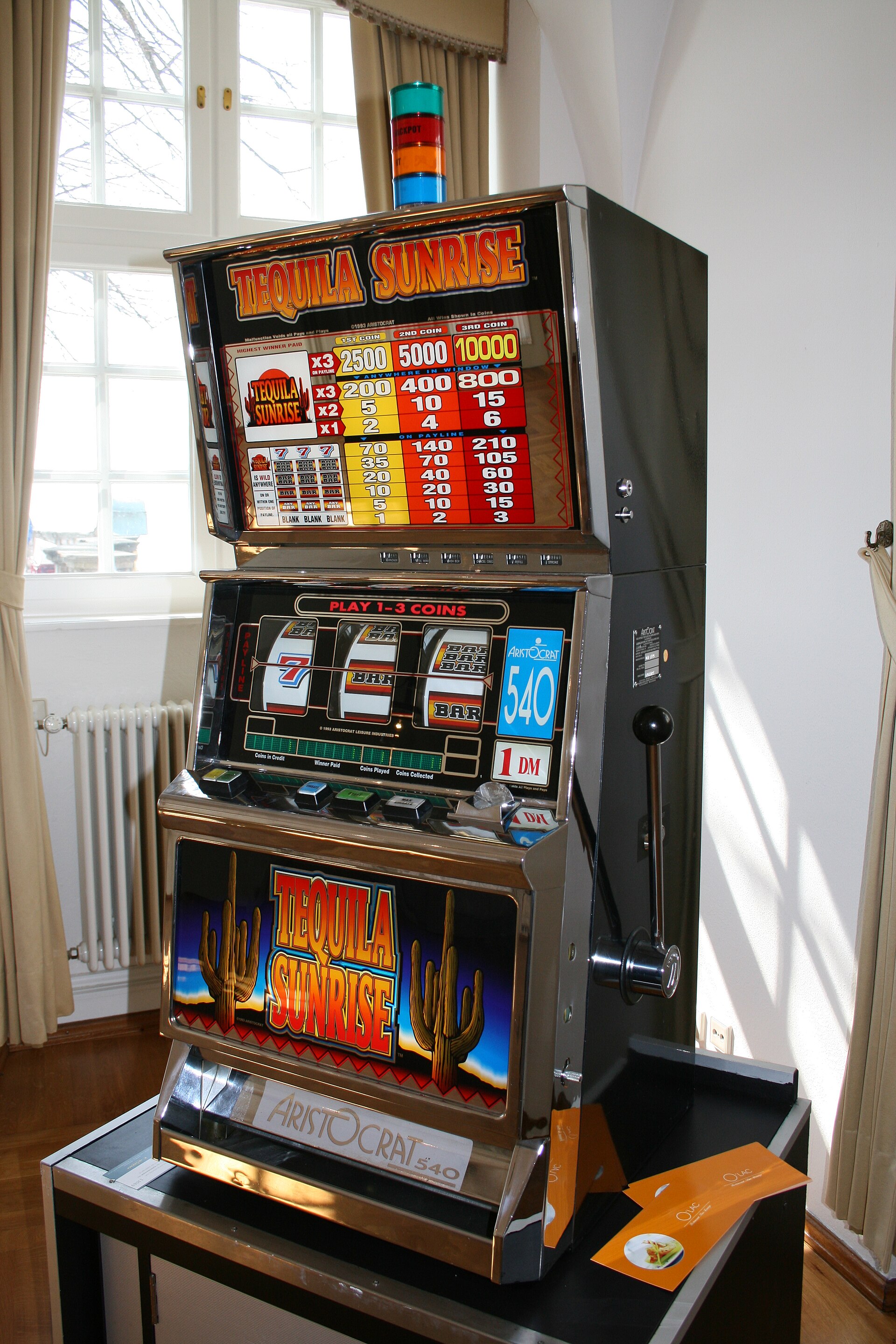
A record penalty, with a specific target
The Ksa’s announcement concerns the operator’s conduct and its breach of Dutch gambling rules. An administrative fine is a public enforcement measure. It records the regulator’s finding and applies a financial penalty to the business responsible; it is not a blanket decision about every customer transaction.
The regulator identified EOD Code SRL and 12 websites, including Instantcasino and Skyhills. Its investigation began with Instantcasino, then expanded after the Ksa found more sites offering gambling to Dutch users. Investigators said they could gamble on the sites without measures to prevent participation from the Netherlands.
The Ksa also cited the absence of visible age verification and the availability of cryptocurrency and anonymous payment methods. It said it set the penalty using an estimated turnover calculation because the standard fine would not reflect the revenue it believed the illegal offer had generated. The Ksa described the €37 million sanction as its highest fine to date for illegal gambling offers.
That distinction matters when a site is named in an enforcement notice. A player should not assume that the fine closes the service immediately, returns funds automatically or resolves a disputed withdrawal. Nor should anyone rely on an operator’s own interpretation of the notice. Check the regulator’s wording and current status information directly.
TopGamb’s guides to illegal-site blocking, checking a site’s legal status, reading a licence register and what to do when a regulator names a site explain the separate checks a player can make. If a payment is disputed, keep records and use the operator’s formal complaint route; our guide to payment disputes covers the documentation to retain.
What a fine can do
A substantial penalty can make a regulator’s position unmistakable and raise the cost of ignoring local licensing rules. It can also alert payment firms, platforms and customers that the operator’s conduct has drawn formal action. Whether an operator appeals, pays, changes its service or continues to be accessible is a separate question that depends on the enforcement process.
For the market, a record amount is a signal that illegal supply is being treated as an enforcement priority. For an individual, it is a reason to stop and verify, not a reason to make a rushed withdrawal decision based on social posts or unofficial support accounts.
What it does not settle for a player
A penalty paid to a regulator is not necessarily money set aside to reimburse customers. The notice should not be read as a guarantee of refunds, a timeline for account closures or a substitute for the player’s own complaint. If you have an account, save statements, transaction references, open-bet details and support correspondence before acting.
Do not deposit more to unlock a withdrawal or pay a fee requested through an unofficial channel. Confirm the service’s status with the regulator and seek advice from the appropriate consumer or gambling-support service in your jurisdiction.
Keep the next step small
Legal uncertainty can create urgency, especially when a balance or pending withdrawal is involved. Pause new play, gather the account record and use official contact routes. A large headline does not tell you the odds of recovering a particular balance, and chasing another wager will not improve the paperwork.
If gambling has become difficult to stop, step away from the account and use blocking or self-exclusion tools available where you live. GamCare provides confidential support in Great Britain; readers elsewhere should contact a local gambling-help service.
Reader questions
Does the €37 million fine mean players are being refunded?
No. The Ksa announcement describes an enforcement fine against the operator; it does not establish an automatic customer-refund process.
Should a player keep using a site after it is named?
Stop new deposits and check the regulator’s current guidance and licence information before making decisions about an account.
References


New Casino

Welcome bonus: 150% up to €500 + 50 FS

Welcome bonus: 1st Deposit: 100% up to C$400 + 50 FS

Welcome bonus: First: 100% up to C$700

Welcome bonus: 100% up to C$500 + 180 FS

Welcome bonus: 100% up to C$3,000 + 150 FS

Welcome bonus: 1st deposit: 100% up to C$1,000 + 100 FS
Recent news


