Doubling down adds a second wager and usually one card. Learn what the decision changes, which table rules matter and why it is not a way to remove the house edge.

Blackjack Double Down Explained: When the Extra Wager Matters

To double down in blackjack is to add a second wager equal to the original bet and usually receive one final card. A $10 hand becomes a $20 hand before the dealer completes the round. The option can be useful in some rule situations, but it is an increase in money at risk, not a way to turn an uncertain hand into a safe one.
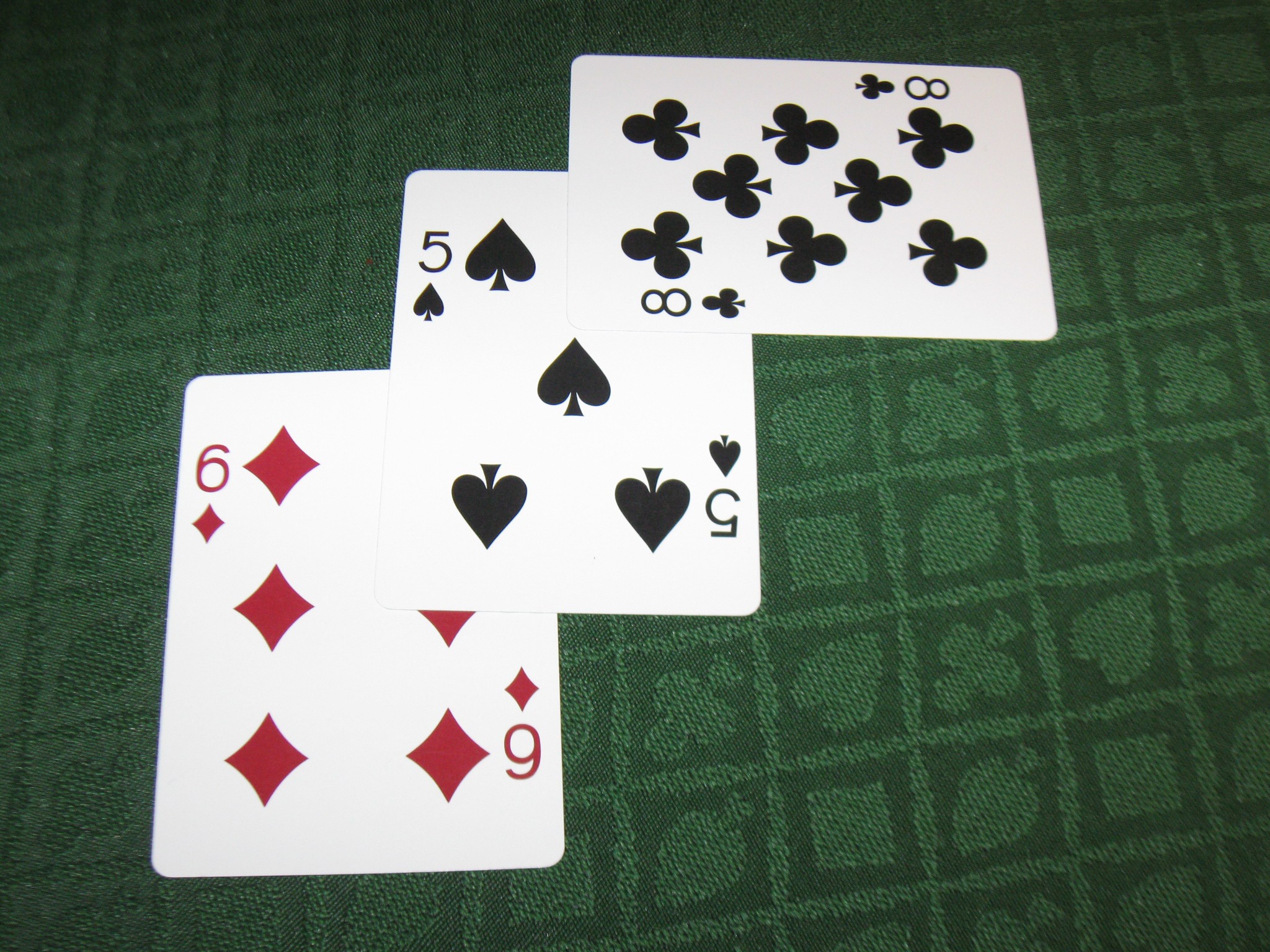
What the decision changes
After doubling, the player normally stands after the extra card. That changes both the wager and the number of decisions left. Some tables restrict doubling to certain opening totals, such as 9, 10 or 11, while others allow it on any two cards. A live-dealer or online game’s rules decide which version you are playing.
It is also possible for a table to allow doubling after a split, or to limit it to the first two cards. Those details matter because the same button can represent a different risk at a different table. Read the help screen and table sign before the hand begins.
Why the table rules matter
Dealer rules change the mathematics around every player decision. Whether the dealer hits or stands on soft 17, whether surrender is available and how splits work all affect the house edge. The soft-17 explainer covers one of the most important differences; the surrender guide explains the separate choice to give up part of a hand.
A double down is not the same as insurance. Insurance is a separate side bet offered when the dealer shows an ace, and the insurance guide explains why it should not be treated as automatic protection for the main wager.
Keep the extra wager inside the budget
Check the table minimum before you sit down. TopGamb’s blackjack table-minimum guide shows why a $10 opening stake can become $20 after a double or split, and why a minimum is not a recommended bankroll. Leave room for the number of hands you planned rather than treating the extra card as a reason to increase the session budget.
Basic strategy can identify situations where doubling has a better expected result than hitting or standing under a known ruleset. It cannot guarantee a win, predict the next card or remove the house edge. If the table does not show the rule you need, ask the operator or choose another game.
Set a loss limit and time limit before dealing, and do not double simply because the previous hand lost. A larger wager after a loss is still a chase. Gambling should remain adult entertainment within money you can afford to lose; if that boundary is difficult to keep, pause and contact a local support service such as the National Council on Problem Gambling.
Reader questions
Can I double down after a split?
Sometimes. The answer depends on the table’s rules. Check whether doubling after splitting is allowed before you play, because the restriction changes the possible decisions after pairs are separated.
Does doubling down guarantee a better result?
No. It changes the wager and usually limits the hand to one card. It can be the mathematically preferred action in a specific situation, but the hand can still lose.
References


New Casino

Main offer: Weekly bonus and rakeback on every eligible wager.

Welcome bonus: 150% up to €500 + 50 FS

Welcome bonus: 1st Deposit: 100% up to C$400 + 50 FS

Welcome bonus: First: 100% up to C$700

Welcome bonus: 100% up to C$500 + 180 FS

Welcome bonus: 100% up to C$3,000 + 150 FS
Recent news


