On a betting exchange, the lay stake is not the same as the amount you can lose. Liability is the money reserved against the backer’s potential payout, and it should be the first number in your budget.

A Lay Bet Has Two Numbers, and the Larger One Is Your Liability

A £20 lay bet at decimal odds of 4.50 looks modest until the exchange shows the amount it will reserve. The backer can win £70 if the selection wins. That £70 is the layer’s liability. The £20 is the amount the layer can win if the selection loses, before the exchange’s commission and any other charge.
That difference is the heart of exchange betting. A traditional sportsbook takes the other side of the bet. An exchange matches users with each other: one backs an outcome and another lays it. The UK Gambling Commission describes a betting exchange as a place where people lay or back bets against other people rather than taking a fixed price from the house. The layer is taking on the sort of payout risk that a bookmaker normally manages.
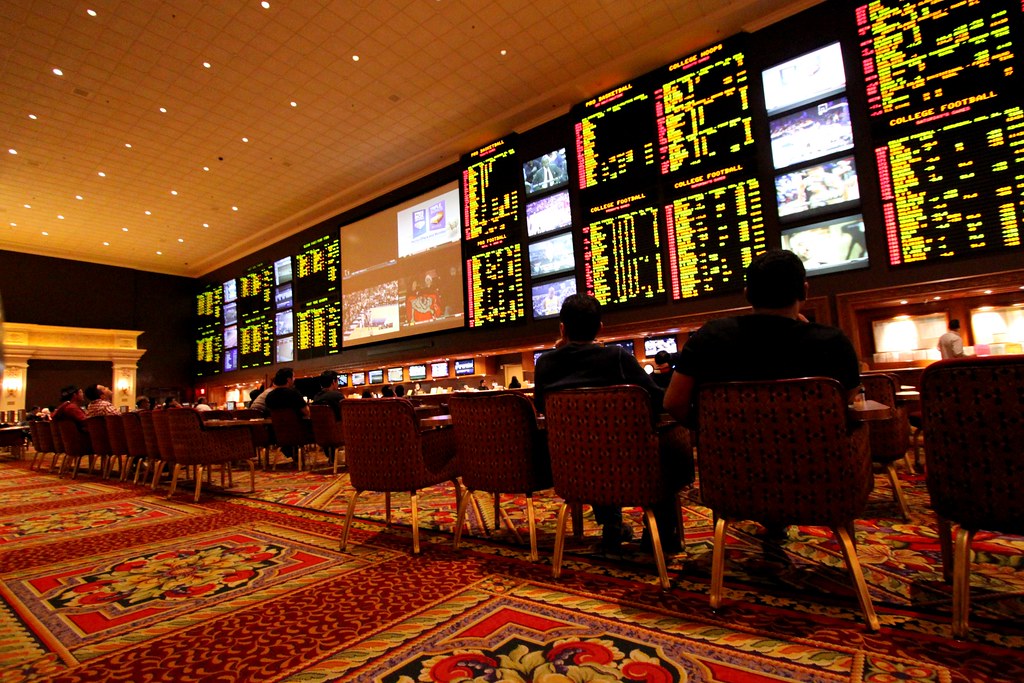
The stake is what you can win; the liability is what you can lose
In decimal odds, the basic liability calculation is:
Liability = lay stake × (decimal odds − 1)
At 4.50, a £20 lay therefore reserves £20 × 3.50, or £70. If the selection loses, the lay is a winner and the exchange releases the liability. If the selection wins, the layer pays the relevant amount to the exchange’s winning side. A 1.80 price produces a much smaller liability on the same £20 stakes: £20 × 0.80 equals £16.
The low price does not mean the bet is automatically low-risk. It means the market considers the selection more likely to win. A £70 liability at 4.50 is not the same as a £70 cash stake on the back side, but it is still exposure. The exchange may reserve that sum from the account before the order is confirmed, and available balance can disappear faster than the lay stake suggests.
A lay order can be expressed by stake or by fixed liability on some interfaces. Those are different choices. If you set a £20 stake at 4.50, the system reserves roughly £70. If you set £20 of liability, the system works backward to a smaller lay stake. The preview should show both numbers before submission. Read the preview rather than the highlighted profit figure alone.
Backing the other side is not automatically a free hedge
A common exchange move is to back an outcome first and lay it later at a shorter price, or to lay first and back later. The two positions can create a green book if the later price is sufficiently better after commission. They can also leave a red book if the market moves the other way. The screen’s green and red figures describe the profit or loss under possible outcomes; they do not make a hedge risk-free.
Commission is the first leak in the calculation. A matched lay may show a profit before commission but a smaller profit after the exchange takes its charge. The rate and the basis can differ by platform and market, so the operator’s rules should be used rather than a remembered percentage. The second leak is liquidity. The visible price may cover only part of an order, and the remainder may match at a less favourable price or remain unmatched.
The third is timing. A price on screen is an offer, not a guarantee that another user will take the whole stake. The exchange-versus-sportsbook guide explains why the order-book model behaves differently from a fixed bookmaker price. The implied-probability explainer shows how to turn the displayed odds into a rough probability before deciding whether the potential lay return is worth the exposure.
Matched, unmatched and void are different states
A matched order has been accepted by another user and becomes part of the market. An unmatched order remains an offer. It can be cancelled before it is matched, but it can also become matched later if the price remains available and the platform keeps it live. Do not assume a partially matched order is fully cancelled just because the available price has moved.
If a market is voided, the exchange should follow its rules for releasing matched stakes and reserved liability. The precise treatment can depend on whether the market is void, the selection is removed, or only part of a multi-leg bet fails. That is not the same as a sportsbook’s cash-out offer. The sportsbook liability guide provides the useful contrast: a bookmaker manages a book of customers, while an exchange exposes a user to another user’s side.
When the exchange says an order is “matched,” the user has a contractual position. When it says “unmatched,” the user has an offer that may disappear or execute. The words should be read before adding another order to rescue the first.
The budget should be written in liability
A bettor who thinks only in lay stakes can underestimate the session’s exposure. Three £10 lay bets at odds of 4.0 each carry £90 of combined liability, not £30. If the same three outcomes win, the loss can be far larger than the amount that seemed to leave the account at the moment of each order.
Set a maximum total liability before opening the exchange, and include unmatched offers that could still match. Treat a cash balance as unavailable when the exchange reserves it. Use a separate entertainment budget and do not increase the lay because a previous position has moved against you. The account-controls guide is a reminder that a deposit limit can help only when it covers the exposure created after the deposit.
This is also why exchange betting is a poor place to chase a loss. The larger a lay stake becomes at long odds, the more the liability can expand. If the purpose of the next order is to recover the previous one, stop and use a break instead.
A simple checklist before confirming
Read the decimal odds, calculate the liability and compare that figure with the amount you can afford to lose. Check the commission, the amount already matched and the amount still waiting. Confirm whether the order is live in play, whether it remains active until settlement and what the market rules say about a void or a removed selection.
Finally, ask whether the lay is a deliberate view on the selection or a reaction to the cash-out or back-bet figure on the same screen. A lay bet is a legitimate way to take the other side of a market. It is not a discount coupon, and the high potential win is usually being offered because the underlying outcome is considered more likely.
If exchange screens encourage rapid switching, step away from the order book. Gambling should be limited to money that can be lost without affecting essential spending. BeGambleAware offers confidential support for anyone who needs help stopping or pausing.
Further reading and official definitions


New Casino

Main offer: Recurring weekly and monthly activity rewards plus rakeback; amounts depend on VIP rank and prior play.

Welcome bonus: 150% up to €500 + 50 FS

Welcome bonus: 1st Deposit: 100% up to C$400 + 50 FS

Welcome bonus: First: 100% up to C$700

Welcome bonus: 100% up to C$500 + 180 FS

Welcome bonus: 100% up to C$3,000 + 150 FS
Recent news


