SPiCE International 2026 is framing Cambodia’s casino sector around compliance, governance and investment readiness rather than simple access.

Cambodia Gaming Sector Spotlight Puts Regulation and Casino Legitimacy Back in Focus

Cambodia is getting a different kind of casino attention this week. The headline is not a new resort launch or a single operator deal. It is whether the country’s gaming sector can be discussed in the language of regulation, compliance and long-term credibility.
Yogonet reported on July 7, 2026, that SPiCE International 2026 will put Cambodia’s gaming sector under the spotlight in Phnom Penh, with an agenda expected to cover regulatory strengthening, compliance and governance, market entry, investment, operational practice, technology and trusted partnerships. That framing matters because it treats casino growth as a standards question, not just a capital question.
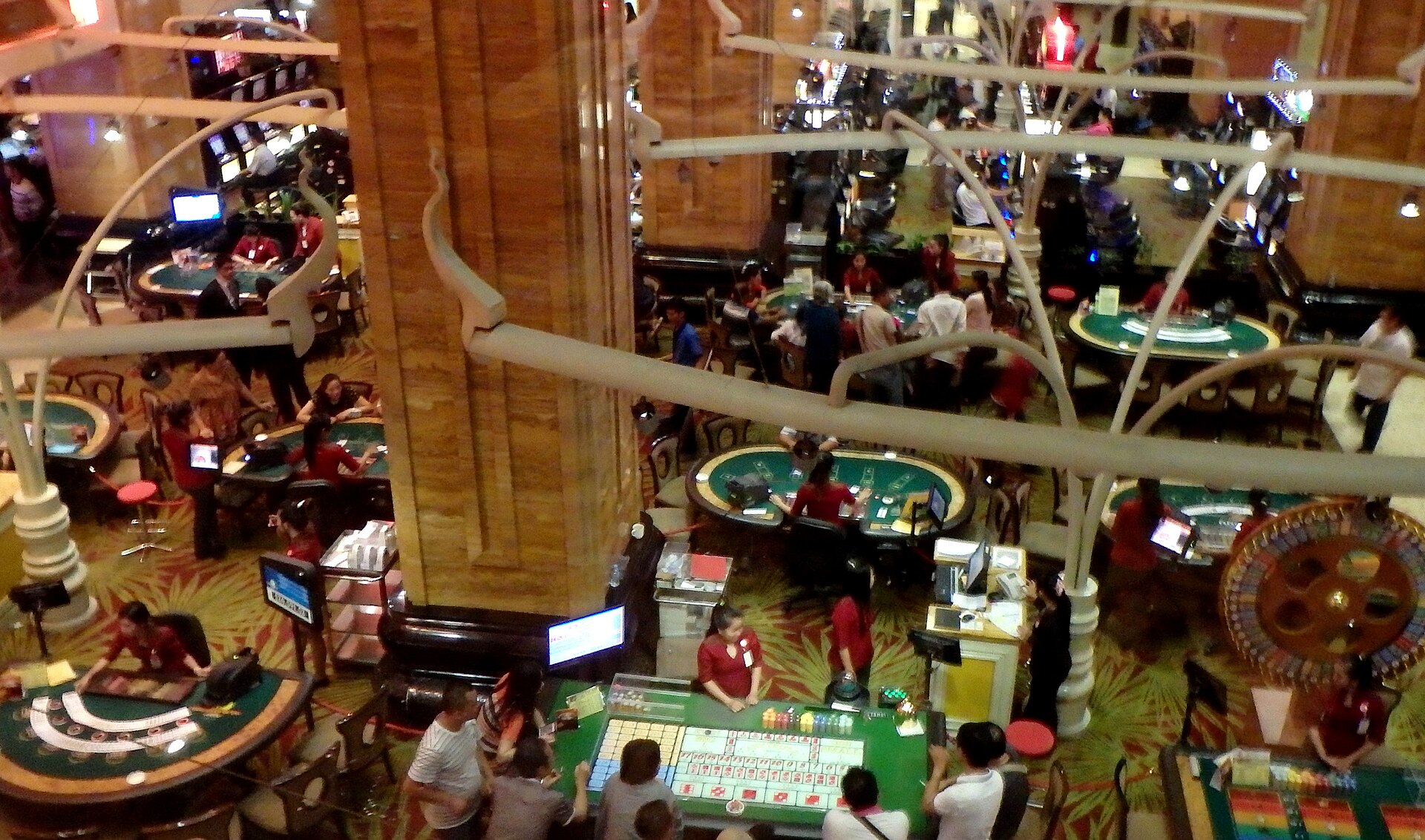
The player issue is legitimacy, not conference attendance
Industry events are easy to overread. A conference does not prove that a market is safe, and a regulator’s name on a legal update does not mean every casino-facing offer is suitable for players. The useful point is narrower: Cambodia’s own casino discussion is being pulled toward licensing, approved locations, approved game rules, equipment controls and operator accountability.
That is consistent with legal commentary around the Commercial Gambling Management Commission of Cambodia. Rajah & Tann’s summary of a 2025 lawful-operation notification said casino operators must hold a valid CGMC licence, operate only at the approved location, hold registration certificates for game types and rules, and use equipment or software registered and approved by the regulator. Andersen Cambodia’s 2026 note also described a compliance instruction for licensed commercial and industrial gaming centers.
TopGamb readers should connect that with our guides on regulated iGaming markets, checking a gambling site’s legal status, casino KYC checks, money mule accounts and online gambling safety. The practical question is always the same: who is licensed, where are they licensed to operate, and who is responsible if the player has a dispute?
Why Cambodia needs a cautious reading
Cambodia’s casino sector also carries reputational risk because casino-linked scam-compound allegations have been part of the wider regional story. Amnesty International reported in April 2026 that some casinos had received state recognition despite links alleged around scamming compounds. That does not decide the status of any one gaming venue, but it explains why “investment readiness” cannot be separated from enforcement and human-rights scrutiny.
For players, the safer lesson is not to treat a Cambodia label, a border-town casino, an online agent, or a social-media gambling offer as legitimate by default. Ask for the licence name, the approved operating location, the regulator, the game rules and the payment record before money moves. If the answer depends on a private agent, a third-party wallet, a proxy player or a platform that avoids local rules, the risk is already too high.
Responsible gambling also needs to be part of the market conversation. A credible casino market should make limits, identity checks, complaint routes and exclusion tools visible. If growth arrives faster than those controls, players are left to carry the risk that regulators and operators should have reduced first.
Sources
- Yogonet: SPiCE International 2026 to spotlight Cambodia's gaming sector
- Rajah & Tann Asia: lawful casino operation in Cambodia
- Andersen Cambodia: instruction strengthens regulations on gaming centers
- Amnesty International: Cambodia casinos and scamming-compound concerns
Reader Questions
Does SPiCE International mean Cambodia’s casino market is safe for players?
No. It means the sector is being discussed through regulation, compliance and investment standards. Players still need to verify licence details, payment rules and complaint routes before depositing or visiting.
What is the simplest Cambodia casino check?
Confirm that the operator has a valid CGMC-linked licence for the actual location and games being offered. Avoid agents or remote arrangements that cannot show a clean record.


New Casino

Welcome bonus: Refer a Friend: 10% of the house edge

Welcome bonus: 150% up to €500 + 50 FS

Welcome bonus: 1st Deposit: 100% up to C$400 + 50 FS

Welcome bonus: First: 100% up to C$700

Welcome bonus: 100% up to C$500 + 180 FS

Welcome bonus: 100% up to C$3,000 + 150 FS
Recent news


