Denmark has invited new land-based casino licence bids as retail gambling remains a small but closely supervised part of the market.

Denmark Opens Land-Based Casino Bidding With a Player-Protection Test

Denmark has opened a new land-based casino licence conversation at a moment when retail gambling is no longer the centre of the market. That makes the process more interesting, not less. A small retail casino sector still has to justify how it checks customers, manages money and gives players a supervised alternative to looser gambling environments.
iGB reported on 3 August 2026 that Denmark is inviting bids for land-based casino licences, with the Danish Gambling Authority, Spillemyndigheden, seeking to renew a sector that generated DKK378 million in gross gaming revenue in 2025. The report says land-based gambling represented about 3% of Denmark’s total gambling market last year, a small share beside online play but still a visible part of the country’s licensing framework.
Why a small retail sector still matters
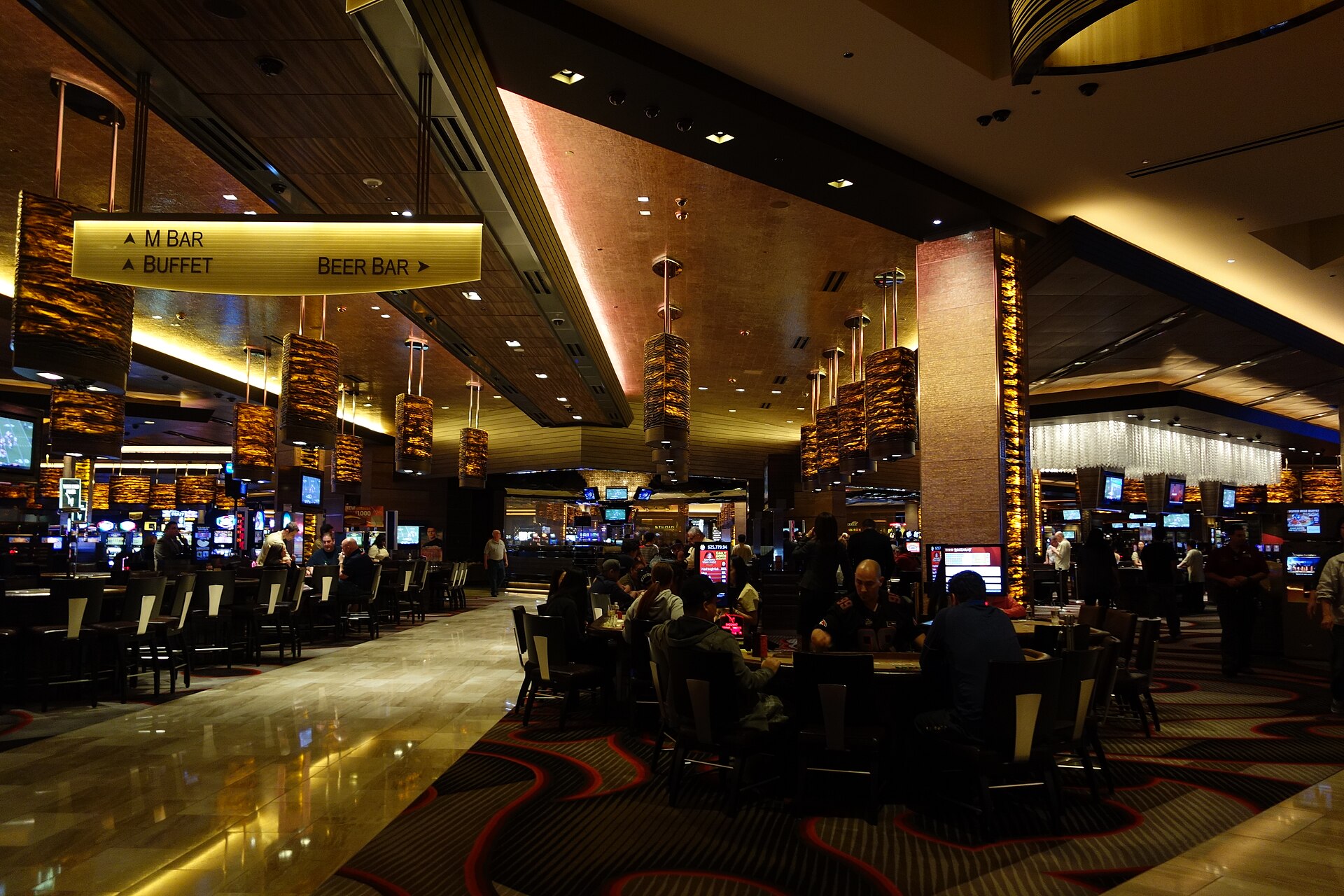
Land-based casinos do not create the same session as an online casino. The player must enter a venue, interact with staff, use physical payment paths and play on a floor where security, surveillance and intervention can be part of the environment. Those points do not make casino gambling harmless. They do create a different set of controls from a phone-based slot session at home.
That is the licensing question behind the bidding window. A regulator is not only choosing who may operate tables and machines. It is also choosing the quality of identity checks, anti-money-laundering routines, complaints handling, safer-gambling training and visible rules around cash, credit and intoxicated play. A low market share is not an argument for weak scrutiny.
TopGamb readers can connect this with our guides to regulated iGaming markets, casino KYC checks, enhanced due diligence, loss limits and online gambling safety. The location changes, but the player should still ask who is licensed, what product is allowed and how problems are handled.
The player question is disclosure
The useful retail-casino test is not whether a venue looks polished. It is whether a player can see the operating company, licence status, game rules, payment policies, exclusion tools and complaints route before money is on the table. If a licence round produces more venues but weak public information, it has not improved the player experience very much.
Denmark’s wider gambling market is heavily digital, so any land-based renewal should also avoid nostalgia. A casino floor can be more supervised than an app, but it can still encourage long sessions, fast machine play and emotional decisions after a loss. Staff intervention, clear signage and strong self-exclusion routes are therefore not decorative compliance. They are part of the product.
The editorial view is that Denmark’s licence round is worth watching because mature markets need both channels to be clear. Online operators should not be allowed to hide behind convenience, and retail casinos should not be allowed to trade on atmosphere alone. In both cases, a safe player needs visible permission, fair rules and a way to stop.
Sources
- iGB: Denmark invites new land-based casino bids to renew declining retail GGR
- Danish Gambling Authority: news articles
- Danish Gambling Authority: statistics
- National Council on Problem Gambling: responsible gambling
Reader Questions
Does Denmark’s licence round mean land-based casinos are growing fast?
Not necessarily. The latest iGB report says land-based gambling was only about 3% of Denmark’s total market in 2025. The issue is whether the licensed retail sector remains credible and well supervised.
What should a player check at a land-based casino?
Check the legal operator, licence information, game rules, payment limits, self-exclusion options and complaints route before playing. A clean venue still needs clear accountability.


New Casino

Welcome bonus: Refer a Friend: 10% of the house edge

Welcome bonus: 150% up to €500 + 50 FS

Welcome bonus: 1st Deposit: 100% up to C$400 + 50 FS

Welcome bonus: First: 100% up to C$700

Welcome bonus: 100% up to C$500 + 180 FS

Welcome bonus: 100% up to C$3,000 + 150 FS
Recent news


