New Mexico lawmakers are again discussing online sports betting, but tribal compacts make the player-safety question more complicated than a simple app launch.

New Mexico Online Sports Betting Talks Put Tribal Compacts Back in Focus

New Mexico’s next sports-betting question is not only whether more players should be able to use a phone. It is who writes the rules when the existing casino market is tied to tribal gaming compacts.
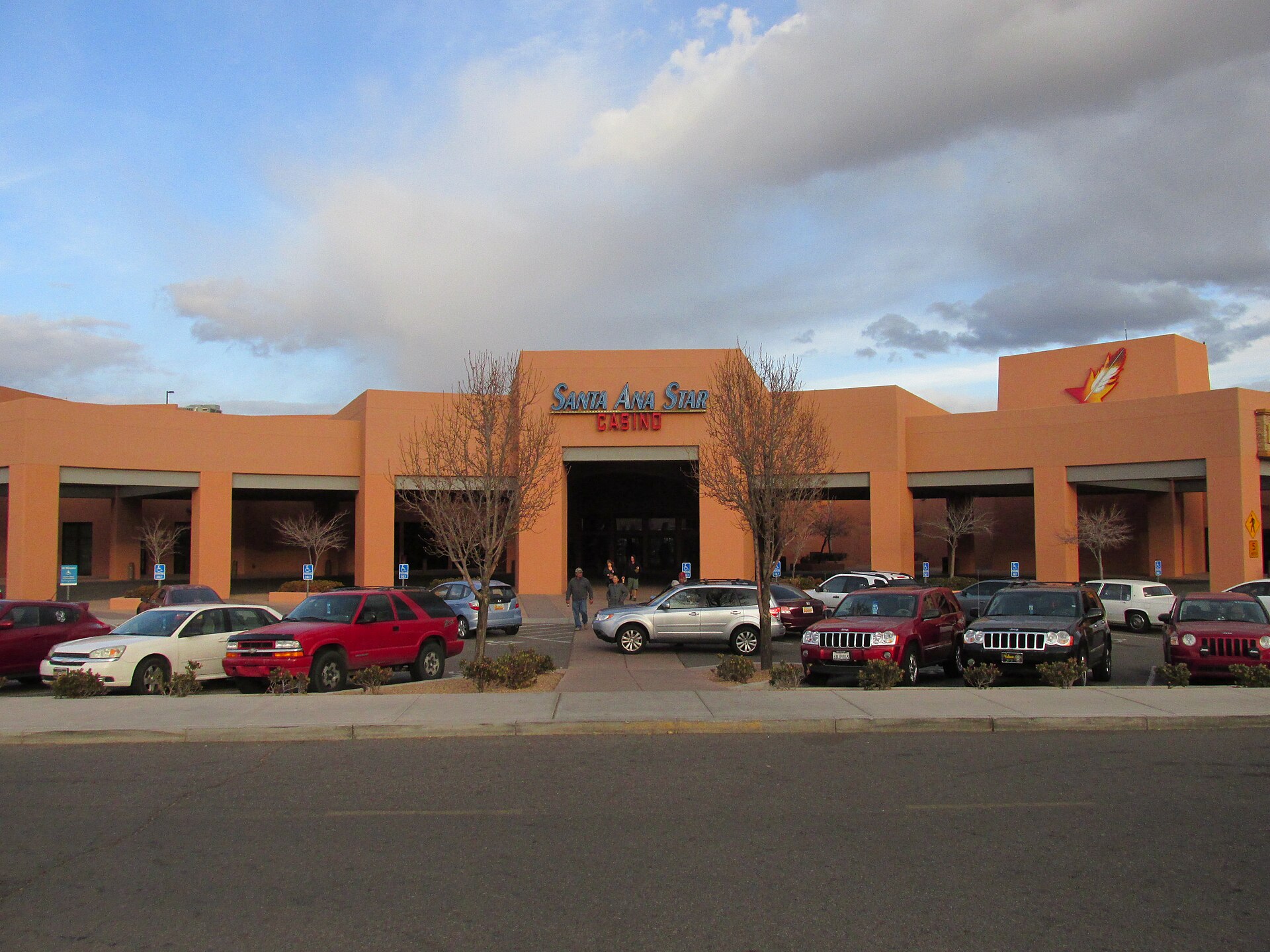
Source NM reported at the end of June that a state lawmaker wanted to revive online sports betting discussions with tribal governments. That is a narrower and more realistic starting point than pretending mobile wagering can simply be added on top of the current market. New Mexico has legal tribal casino gaming, and some in-person sports betting has appeared through tribal venues, but statewide mobile betting would raise compact, regulatory, tax, location and responsible-gambling questions before a legal app could safely reach players.
The World Cup timing makes the issue practical. A player who sees national betting ads, offshore links or social-media tips may assume every U.S. state has the same app access. It does not. Sports betting rules still turn on state law, tribal compacts, operator licences and geolocation. A bet that looks normal in one state can be illegal or unsupported in another.
Compact talks are not a launch date
A compact discussion is not the same thing as a licensed market. It is an early policy step that can decide who may operate, where servers and account activity are treated as occurring, how revenue is shared, what regulator has oversight, and which consumer protections are required. Players should be careful with headlines that turn talks into certainty.
That is why the player-facing detail matters. If New Mexico eventually moves toward mobile betting, legal operators would need clear account rules, age and identity checks, location controls, deposit limits, complaint routes and self-exclusion coverage. Those protections are harder to judge from a banner ad than from an official regulator notice.
TopGamb readers can compare this with our coverage of Nebraska’s online sports betting ballot review, regulated iGaming markets, online gambling safety, sports betting bankroll management and bank gambling blocks. The same rule applies across them: legal access is a control, not just a convenience.
What players should do now
Players should not use compact talks as a reason to open offshore betting accounts. If a sportsbook is not licensed for the player’s location, the problem is not only legality. Withdrawal disputes, identity checks, account freezes and responsible-gambling requests become harder when the operator is outside the local system.
The better approach is to wait for official notices from New Mexico authorities and tribal gaming bodies, then check the operator name, licence route, permitted location and account tools before depositing. During the World Cup, that caution matters even more because urgency is part of the marketing cycle. A legal market launch should be measured in rules and protections, not in how quickly a betting app can appear before kickoff.
If gambling is starting to feel urgent because a match is close, because friends can bet in another state, or because an offshore site says it will accept the account anyway, step back. A missed market is cheaper than a deposit made into a site that may not be answerable to the rules where the player lives.
Sources
- Source NM: renewed New Mexico online sports betting discussion
- New Mexico Gaming Control Board
- Bureau of Indian Affairs: gaming compacts
- National Council on Problem Gambling: responsible gambling
Reader Questions
Is New Mexico mobile sports betting legal now?
Players should not assume that. The current discussion is about possible policy and compact work, not a statewide legal-app launch. Official state and tribal sources should be checked before any deposit.
Why do tribal compacts matter for sports betting?
Compacts define how tribal gaming operates with the state. If online sports betting is added, the compact structure can affect operators, oversight, revenue sharing and player protections.


New Casino

Welcome bonus: Refer a Friend: 10% of the house edge

Welcome bonus: 150% up to €500 + 50 FS

Welcome bonus: 1st Deposit: 100% up to C$400 + 50 FS

Welcome bonus: First: 100% up to C$700

Welcome bonus: 100% up to C$500 + 180 FS

Welcome bonus: 100% up to C$3,000 + 150 FS
Recent news


