Osaka has opened a Phase 2 request-for-proposals process around Yumeshima, keeping Japan’s first integrated resort in a wider tourism context.

Osaka Yumeshima Phase 2 RFP Shows Casino Growth Is Bigger Than the Gaming Floor

Osaka’s casino story is moving beyond the question of whether Japan’s first integrated resort will open. The next question is what kind of district grows around it, and whether players understand that casino access will be wrapped inside a much larger tourism pitch.
GGRAsia reported on July 6 that Osaka has opened a request-for-proposals process for Phase 2 development on Yumeshima, the artificial island that is also due to host MGM Osaka. The report said the city is seeking ideas for land close to the integrated resort site, with non-gaming uses such as tourism, entertainment, culture and business activity expected to support the wider island plan.
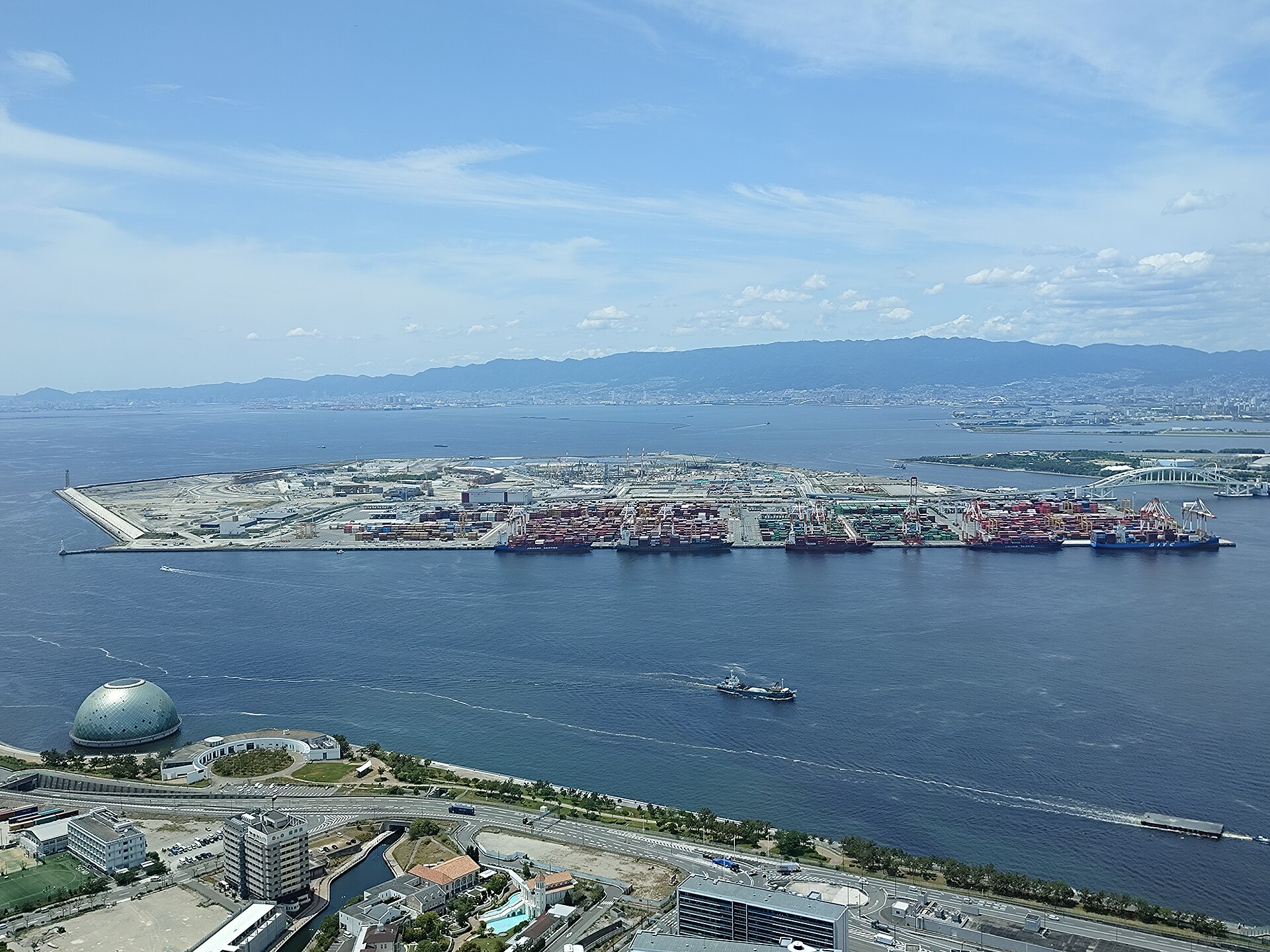
That matters for gambling readers because an integrated resort is not only a casino with hotel rooms. It is a system designed to keep visitors on site through food, conventions, shopping, entertainment, transport and loyalty journeys. The gaming floor may be only one part of the trip, but it can become the part where the budget changes fastest.
The non-gaming label does not remove gambling risk
Japan’s IR policy has always leaned on the argument that casino development can fund and support international tourism. MGM Resorts describes MGM Osaka as an integrated resort project with hotel, dining, entertainment, meeting and casino facilities. Osaka’s official IR materials also frame the project as part of a broader growth and tourism strategy.
That broader language is important, but players should not mistake it for a harm-reduction tool by itself. A visitor who arrives for a concert, convention, football viewing event or family trip can still end up at a casino table late at night. A resort app, loyalty card, cashless wallet or hotel charge facility can make that movement feel like part of the same trip rather than a separate gambling decision.
TopGamb readers can connect this Osaka story with our guides to regulated iGaming markets, casino KYC checks, loss limits, casino trip budgets and online gambling safety. The setting changes, but the basic question stays the same: what money is actually available to lose?
What players should watch as the project develops
The RFP is not a new casino licence by itself. It is a development step around the broader Yumeshima plan. Still, it is a useful reminder that casino market growth often appears first as infrastructure, tourism, real estate and entertainment news. By the time the gaming offer is visible to the visitor, many of the spending cues have already been designed.
For a future Osaka visitor, the safer habit is to divide the trip before arrival. Hotel, food, transport, entertainment and gambling should not sit in one flexible pool. If gambling is part of the itinerary, the casino limit should be set separately and treated as money that may be lost. If gambling was not part of the itinerary, a resort location should not quietly add it.
Operators and regulators will have to prove that player checks, entry controls, exclusion tools, AML monitoring and responsible-gambling messaging keep pace with the resort’s ambition. Players do not need to wait for opening day to understand the lesson. The more polished the resort experience becomes, the more deliberate the gambling boundary has to be.
Sources
- GGRAsia: Osaka opens RFP process for Phase 2 of Yumeshima land
- MGM Resorts: MGM Osaka integrated resort
- Osaka IR: Integrated resort project information
- National Council on Problem Gambling: responsible gambling
Reader Questions
Does Osaka’s Phase 2 RFP mean another casino is being licensed?
No. The July 6 report describes a request-for-proposals process for surrounding Yumeshima land, not a separate casino licence. It is still relevant because it shapes the visitor environment around MGM Osaka.
Why should casino players care about non-gaming development?
Because restaurants, hotels, shows, transport and loyalty systems can all influence how long a visitor stays near gambling. A wider resort can make casino spending feel like part of ordinary travel unless the budget is separated first.


New Casino

Welcome bonus: Refer a Friend: 10% of the house edge

Welcome bonus: 150% up to €500 + 50 FS

Welcome bonus: 1st Deposit: 100% up to C$400 + 50 FS

Welcome bonus: First: 100% up to C$700

Welcome bonus: 100% up to C$500 + 180 FS

Welcome bonus: 100% up to C$3,000 + 150 FS
Recent news


