Portugal can secure top spot with a point, while Denmark need to manage their quarter-final chase. Missing fullbacks and a midfield doubt make the confirmed XI the key betting check.

Portugal v Denmark: The First Post-Ronaldo XI Matters More Than the Farewell

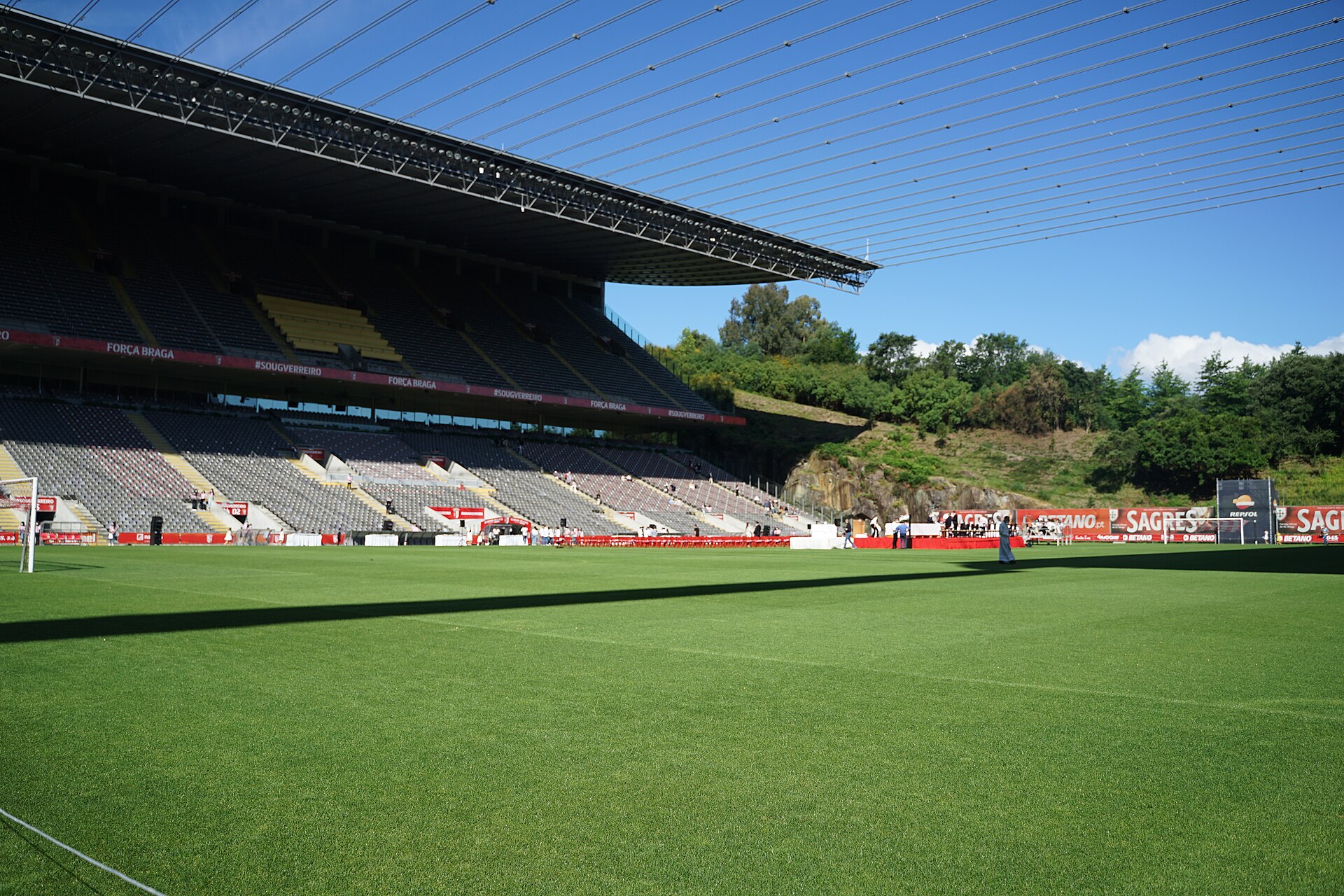
Portugal and Denmark meet at the Estádio Municipal de Braga at 19:45 GMT on Saturday 14 November. Portugal lead Nations League Group A4 with 12 points from four wins. Denmark have six. Portugal have already reached the quarter-finals, but still need a point to guarantee first place and a seeded quarter-final draw.
The occasion will be described as the first Portugal match since Cristiano Ronaldo retired from international football. That is a real change, but it is not the most useful betting variable. Ronaldo had already left the October camp before Portugal won 4-2 in Copenhagen. Braga’s team sheet matters more because Portugal must now cover several absences at full-back and may also have to replace a midfield regular.
The table gives the task, not the price
Denmark are second and three points clear of Norway and Wales. Those two meet earlier on Saturday. A draw in Braga would lift Denmark to seven points and keep them ahead of either side for now, because a Norwegian or Welsh win can produce only six points this weekend. Denmark still face Norway in Copenhagen on 17 November, so their second-place route remains unfinished.
For Portugal, a point is enough to secure first place. That does not mean they will play for a draw. The incentive may shape game management late on, especially if Denmark look content with the draw and Portugal know a top-spot decision is nearly complete. It can also reduce the appeal of a claim that Portugal must win because the match is their first without Ronaldo.
The group table supports Portugal as the favourite. It cannot determine whether they win by two goals, keep a clean sheet or cover a handicap. Those questions depend on how the makeshift defensive shape performs against Denmark’s forward line.
Portugal’s full-back problem is the first team-sheet check
João Cancelo is suspended after yellow-card accumulation. Nuno Mendes is injured and not in the squad. Francisco Conceição is serving a UEFA ban, while Rafael Leão withdrew with a hamstring injury and was not replaced. Nuno Tavares and Tomás Araújo also withdrew injured, with Flavio Nazinho and Gonçalo Inácio added.
Those absences put unusual attention on the flanks. RotoWire projects Diogo Dalot at right-back and 21-year-old Nazinho on the left, with Vitinha and João Palhinha in midfield. That is a projection, not an official XI. RTP reported that Palhinha missed Thursday training with flu and was the only absence from the 27-player group, making him a doubt rather than a confirmed starter.
A first-choice centre-back pairing can hide one unfamiliar full-back. Two less familiar starters change the transition risk, especially if Denmark attack the space behind them or ask their wingers to isolate in one-on-one situations. The lineups will also reveal whether Portugal use the same back four as the projection or add another central defender.
The football lineup check is the right order of work here: official XI, bench, final injury statement, market rule. A prediction based on a squad list can be obsolete by the time the teams are published.
Denmark are inconsistent, not without a threat
Denmark have won twice and lost twice in the group. Both defeats came against sides that scored at least three: 3-2 in Norway and 4-2 against Portugal in Copenhagen. Their wins were both against Wales. The split is more informative than a simple four-game form line. Denmark have found scoring chances against stronger opposition but have conceded seven goals in the two matches against Norway and Portugal.
Rasmus Højlund has three goals in three different group matches. Mikkel Damsgaard, who scored in Copenhagen before leaving with an ankle injury, is back in the squad. Denmark’s own list is not clean: Andreas Christensen was not selected because he is still short of starting level after returning for Barcelona, Anton Gaaei has a knee injury and Patrick Dorgu is a doubt after a recent hamstring problem.
The confirmed shape matters most for the goals markets. A Denmark side that can reach Højlund early and put the makeshift Portuguese fullbacks under pressure may create chances even if it loses the possession count. A more conservative Danish block could instead reduce the game to Portugal probing around the box.
How to read the available prices without turning them into a pick
RotoWire’s Oddschecker snapshot put Portugal between -233 and -194 in American odds, with the draw at +340 to +375 and Denmark at +450 to +525. Those prices will move. They show how the market framed the fixture; they do not imply that the favourite must cover a handicap or that the previous 4-2 meeting will repeat.
A goals or both-teams-to-score case rests on a sensible observation: both sides scored in all four group games, and Portugal have conceded in each of their last three. It also rests on an assumption that Portugal’s makeshift full-backs will concede enough access to make Denmark’s goal likely. If Nazinho and Dalot settle quickly and Denmark sit deep, that assumption is weaker.
For player props, read the settlement rule before the price. “To score” and “to score or assist” are different markets. A bet placed before team news may receive a price based on the player starting, when the confirmed XI later puts them on the bench. The settlement rules guide and odds-format explainer are more useful than trying to interpret a screen after the team sheet drops.
Wait for the XI, then shrink the bet
Portugal remain the reasonable favourite. The group record, the attacking depth and the reverse-fixture win all point that way. The dangerous leap is from “Portugal should win” to “Portugal will cover a short handicap” or “both teams will score” before the full defensive selection is known.
If the confirmed XI contains the projected makeshift full-back pair, the Denmark scoring markets have a clearer route. If Portugal choose a more conservative back line or Palhinha is fit enough to protect it, the case narrows. If Palhinha is absent and Nazinho starts, Denmark’s counterattacks become more relevant to a total than to the outright result.
Set the match budget before kickoff. Decide whether a live bet is allowed at all, and avoid adding a second market because the first one lost. The sportsbook account controls are most useful before the lineups create a rush of information. Keep gambling within a fixed entertainment budget and stop if the match is driving repeat deposits rather than a planned afternoon.
The no-bet case is legitimate. A low-risk Portugal draw would settle the group and could produce a cautious finish. A narrow Danish win would make the final round more open. Neither scenario is visible in the group table alone, and both deserve consideration before a pre-XI stake.
Match references


New Casino

Main offer: Weekly bonus and rakeback on every eligible wager.

Welcome bonus: 150% up to €500 + 50 FS

Welcome bonus: 1st Deposit: 100% up to C$400 + 50 FS

Welcome bonus: First: 100% up to C$700

Welcome bonus: 100% up to C$500 + 180 FS

Welcome bonus: 100% up to C$3,000 + 150 FS
Recent news


