Authorised slot machines are falling sharply while Romanian councils stall the local permits needed for renewal. The dispute is administrative, but its player-safety consequences are not.

Romania’s Local Permit Freeze Is Quietly Emptying Its Slot Halls

Romania’s gambling-permit problem has reached the point where the machine count tells the story. On 1 November, 15,579 slot machines still held valid authorisation. The Federation of Romanian Gambling Organisers, FEDBET, expects only 9,096 to remain by 1 January if local councils keep leaving the required permit decisions unresolved.
That is a projected 42% fall in two months. It is also a strange kind of market contraction: the immediate cause is not a police raid, a court ruling against an operator or a sudden change in player demand. It is a queue of local administrative decisions that have not been made.
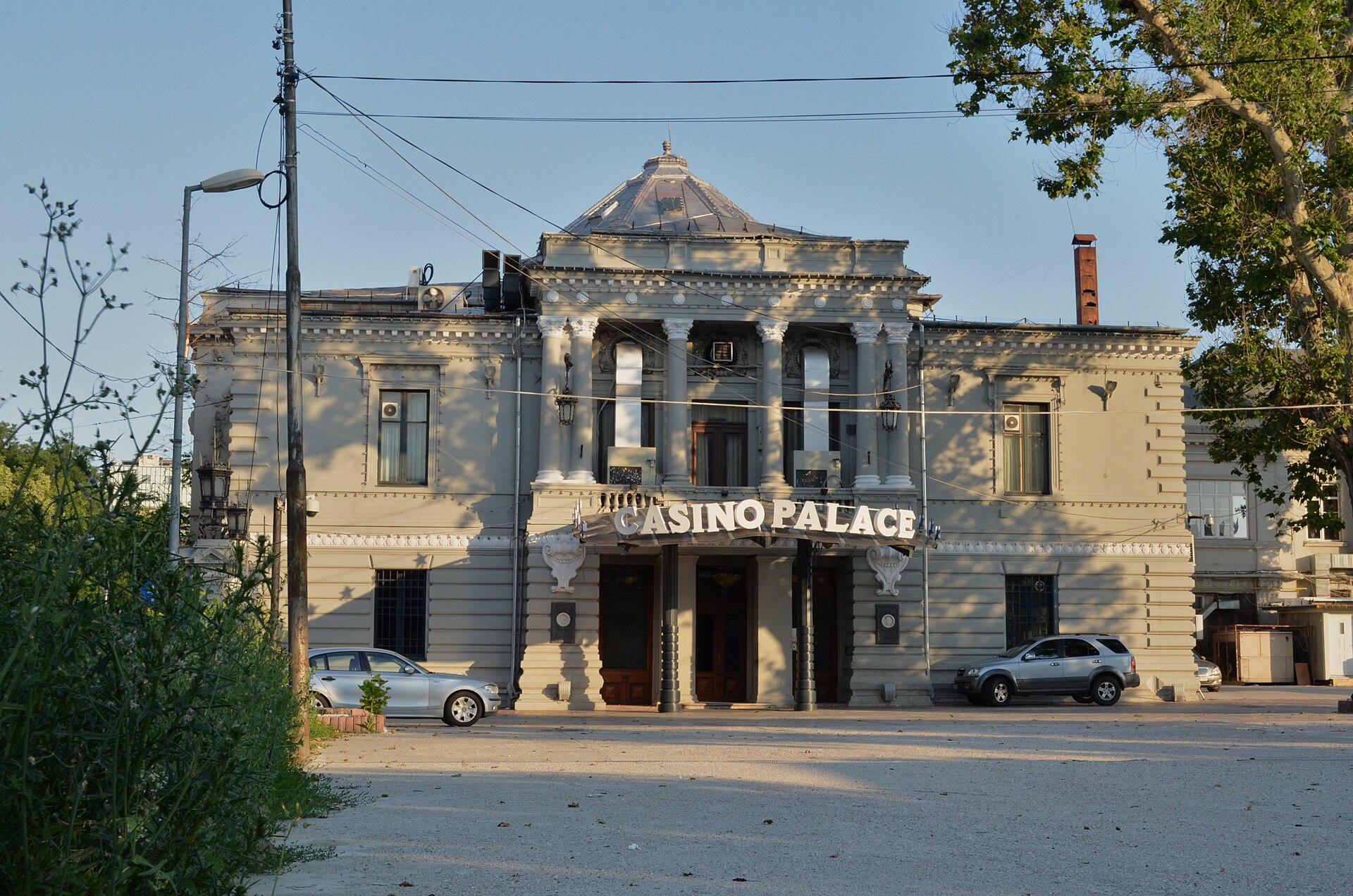
A local permit is now a hard stop
Emergency Government Ordinance No. 7/2026 gave local authorities a formal role in granting gambling permissions. FEDBET says town halls cannot issue the local permits without council decisions, and the National Office for Gambling, ONJN, cannot renew the operating authorisation without that local permission.
The procedural chain is easy to miss in a headline about “closing venues”. Fewer than 4% of Romania’s roughly 3,100 administrative-territorial units had adopted the required decisions by the end of the 60-day deadline in April, according to the federation. FEDBET says requests sent to local authorities have largely gone unanswered.
Keep the scope clear. This dispute concerns land-based gambling permissions. It is not evidence that every Romanian online casino has lost its authority to accept customers, nor does it settle whether a particular offshore site is legal. A customer should treat online and venue licensing as separate checks.
The numbers need a warning label
FEDBET estimated in March that 43,306 slot machines were authorised. It now forecasts a fall to about 9,000 at the start of 2027, and describes the direction as roughly an 80% market contraction. The published machine counts support the idea of a severe drop; the rounded 80% claim also covers venues, so it should not be read as proof that both machines and premises will fall by exactly that percentage.
The organisation also says about 8,500 jobs have been affected. These are federation estimates and a policy warning, not an ONJN audit of each empty chair or shuttered room. Their analytical value is that they show why licensing friction can become a broader market story before the final official figures arrive.
TopGamb’s guide to what a gambling regulator does helps separate licensing, enforcement and player protection. Those functions often sit in different offices. Here, a council decision about local land use has become a precondition for a national operating authorisation.
Why the safety argument cuts both ways
FEDBET argues that closing or failing to renew authorised venues will not erase demand. Its president, Alexandru Domșa, says some players will move to unlicensed sites where age checks, deposit limits and other safeguards may be absent. That is a plausible concern, but it comes from an industry body asking for transitional relief, so readers should treat it as advocacy rather than a measured outcome.
The opposite claim is also too simple: keeping venues open is not automatically safe, and restricting local access is not automatically harmful. The responsible question is whether the replacement path has real identity checks, clear limits, an accountable complaints route and an authority that can act when an operator breaks the rules.
For land-based premises, the ONJN’s public register is a useful starting point when checking licensed gaming means. For an online account, use the operator’s licence identity and the rules for the customer’s location. Our licence-register guide and regulated-market explainer cover the difference between holding a licence and being allowed to serve a particular customer.
What a player can do with the story now
Do not turn a local council vote into a reason to rush to an unfamiliar site. If a venue disappears, that does not make every advertisement that fills the gap legitimate. Verify who operates the product, which licence covers it, how deposits and withdrawals are handled and where a complaint would go.
Romania’s larger policy problem will be settled through local decisions, transitional rules and regulator action, not through one more deposit. If the uncertainty is pushing you toward higher stakes or an unlicensed website, stop and give the decision more time. A cooling-off period can remove access while the legal picture is still moving; our time-out guide explains the options.
The editorial point is straightforward: the permit freeze is worth watching because it can shrink the licensed market faster than the public debate has acknowledged. It does not, by itself, prove that the remaining sites are safer, that unlicensed play is increasing or that every affected operator should receive relief. The next official counts and the councils’ decisions will be more useful than another round of projections.
Further reading


New Casino

Main offer: Weekly bonus and rakeback on every eligible wager.

Welcome bonus: 150% up to €500 + 50 FS

Welcome bonus: 1st Deposit: 100% up to C$400 + 50 FS

Welcome bonus: First: 100% up to C$700

Welcome bonus: 100% up to C$500 + 180 FS

Welcome bonus: 100% up to C$3,000 + 150 FS
Recent news


