Bill 8 passed committee on 17 November, but New Brunswick still has no live-dealer launch date. The proposal would give Atlantic Lottery a legal route to those games while detailed safeguards are left for regulations.

New Brunswick’s Live Casino Bill Just Cleared One More Hurdle

The New Brunswick live casino bill is closer to becoming law, but the games are still not switched on. Bill 8 cleared the Standing Committee on Economic Policy on 17 November without amendment. It now returns to the full Legislative Assembly for third reading before it can receive Royal Assent.
That sequence explains why a committee vote and an online casino launch should not be confused. The bill was introduced by Finance and Treasury Board Minister René Legacy on 27 October and passed second reading on 3 November. The 17 November step is progress through the formal legislative process, not a product release.
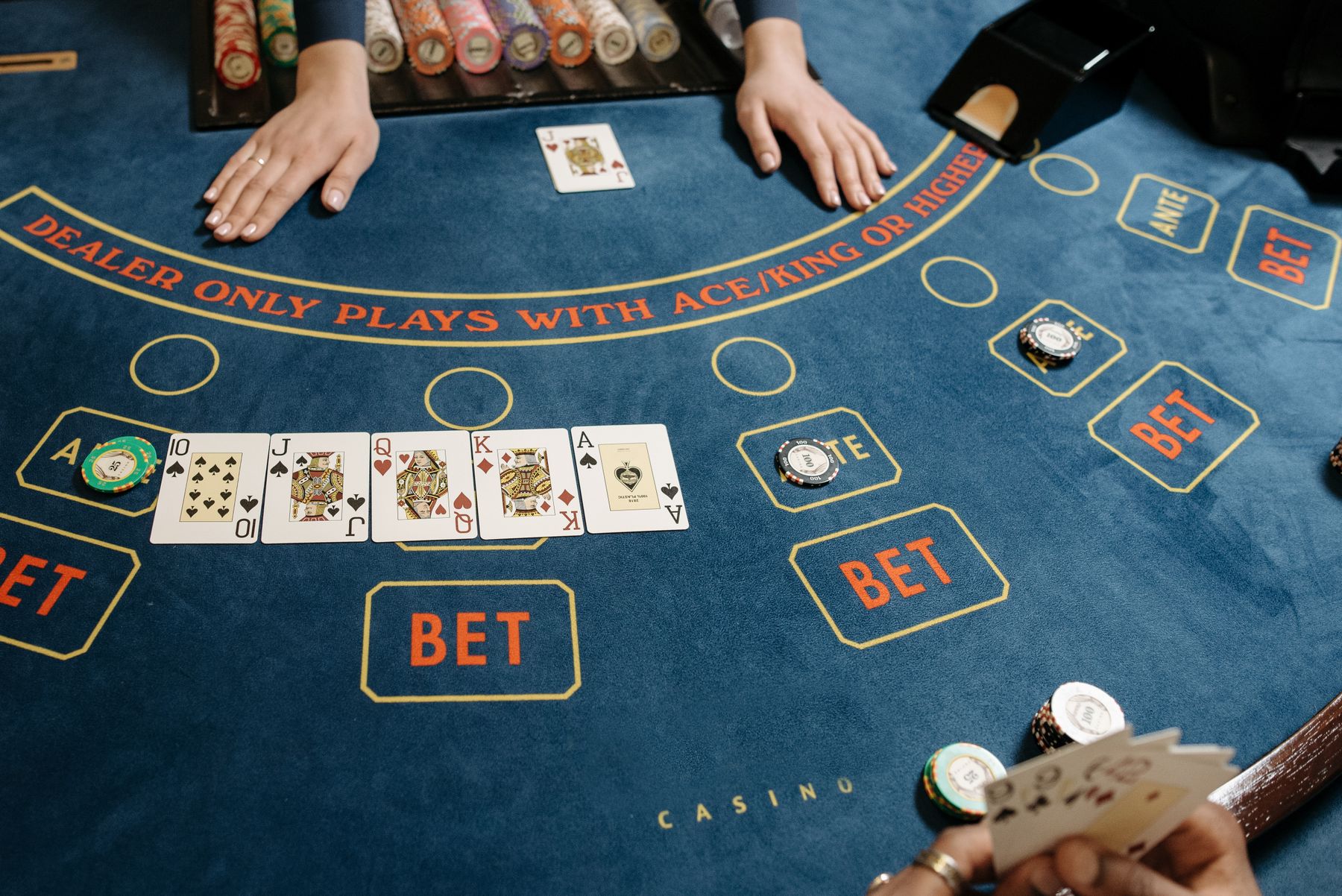
What the New Brunswick live casino bill would actually permit
The bill adds two definitions to the Gaming Control Act: an “online casino lottery scheme” and a “live casino lottery scheme”. The second covers casino-style games hosted, facilitated or presented by a live person. It gives the New Brunswick Lotteries and Gaming Corporation, with Lieutenant-Governor in Council approval, the ability to designate a qualifying corporate body as a provincial agency to operate those games.
In plain terms, that is a legal route for a government-controlled live-dealer product. It is not a general licence for an offshore casino to advertise into the province. Global Gaming Insider reported that the measure would not open a private-operator licensing process.
The bill also broadens regulation-making powers so rules can cover schemes conducted and managed, or operated, by the Corporation and another provincial agency. Another clause would allow certain licence fees to be calculated by the value of prizes offered or awarded. Those are important enabling provisions, but they do not fix game rules, stakes or launch conditions.
The blank spaces are in the regulations
The New Brunswick live casino bill is deliberately short. Its job is to create authority and define who may operate within the provincial structure; the detailed consumer experience is left to rules made later.
People looking for the practical shape of a live dealer experience will not find it in this nine-section bill. It does not establish table limits, betting clocks, identity requirements, complaint rights, bonus rules or a launch deadline. The commencement clause allows the changes to take effect on a day or days fixed by proclamation.
That matters because “regulated” describes the authority behind a product, not every detail of the product. A future regulation could set clear technical and player-protection standards. It could also take months to draft and consult on. The useful next documents will be the committee record, third-reading debate, proclamation and the actual regulations.
The public can already read one signal from the government’s October release. It said existing law did not give ministers authority to establish regulations specifically for live casino events, a format proposed by Atlantic Lottery. Bill 8 responds to that legal gap. It does not promise that every game in a live studio lobby will appear in New Brunswick.
Atlantic Lottery already sells a version across the region
Atlantic Lottery’s own Live Casino page describes real dealers and hosts broadcasting from a studio. It currently lists Nova Scotia, Newfoundland and Labrador and Prince Edward Island as the available provinces, not New Brunswick. Its live blackjack page names the same three provinces.
The regional gap is the simplest explanation for the bill. The operator has the format, the studio operation and the responsible-gambling framework. New Brunswick’s legislation does not yet contain the specific live-casino route. The proposed amendment would close that legal gap rather than inventing a separate casino market from scratch.
This is where the measure is narrower than some headlines suggest. It is a live-dealer amendment for the existing provincial structure. The finance minister has separately said the government is reviewing private online operators, but that review sits outside Bill 8. A future commercial market would need a different decision and a different legal design.
The distinction also affects how quickly residents should expect change. A private operator would need a licensing framework, suitability checks, tax arrangements and a launch process. This bill instead builds on an agency relationship that already exists. That should make the legal path shorter, though the regulation and technical approval work can still take time.
Revenue estimates are forecasts, not an audited ledger
Minister Legacy estimated that adding live casino could generate an additional C$1.9 million in the first year and C$2.4 million in the second, according to Canadian Gaming Business. He also put New Brunswick’s current share from Atlantic Lottery iGaming at around C$45 million a year.
Those figures may be useful for explaining why the government is acting. They are not audited results from a live-dealer product that does not yet exist in the province. A forecast has to assume a mix of new play, migration from existing online casino products and possible movement from unregulated sites. Each assumption can change the fiscal outcome.
Atlantic Lottery has separately estimated that it holds 35% of its four-province iGaming market and misses more than C$250 million a year through unregulated play. That is an operator estimate about a market that is difficult to observe in full. It should be read as a competitive argument, not a precise count of dollars that would return to the regulated operator after launch.
A better measure will arrive after play begins: how many customers move from unregulated sites, how much existing online casino activity merely changes format, and whether the live product attracts people who were not already gambling. Neither the bill nor the committee vote answers those questions.
Safer alternatives also need operational evidence
The government’s argument that regulated live dealer games can offer a safer alternative to unregulated sites is plausible. Regulators can demand identity checks, audited game data, complaint routes and player controls. But the advantage only becomes real when those controls are available before a player deposits, not buried in a later review.
Atlantic Lottery already offers PlayWise tools, including session time and wager limits. Its published guidance says reductions take effect immediately while an increase can be delayed for 24 hours. That built-in delay is a more meaningful control than a warning that can be dismissed instantly. The bill would not automatically extend every existing setting to every future live product, so the final terms still need to be checked.
TopGamb’s licence-status check and reality-check guide apply when a new regulated product appears. Set a pre-commitment limit before the first session. If stopping is difficult, the self-exclusion explainer shows why the scope of the exclusion matters.
Our editorial view is that the bill removes a legal obstacle, not a consumer uncertainty. The next meaningful test is whether the resulting regulations are specific enough to be audited and enforced.
Why live dealer is different from a normal online table
Live dealer games sit between a physical casino table and a fully digital slot. A presenter or dealer handles real cards or a wheel in a studio, while the software translates the result into an account transaction. The player watches a video feed and sends decisions through an interface. The operator must keep the betting clock, the table rules and the game history aligned.
That hybrid design creates questions a conventional game list does not. Is the video recorded and retained? Which version of the rules appears in the hand history? What happens if the stream drops between the deal and settlement? How are late bets rejected? The answers belong in technical and consumer rules, not just in a marketing description.
For New Brunswick, the narrow bill creates the authority to ask those questions through regulations. It is reasonable to see the measure as progress. It is equally reasonable to wait for the answers before describing the future product as fully defined.
That is the most useful reading of the New Brunswick live casino bill: it begins a regulated product process and leaves the harder consumer safeguards visible for scrutiny.
What happens after committee
Third reading and Royal Assent would make the amendment law. They would still not guarantee a public launch date. Proclamation controls when the measure comes into force, while regulations determine how the product may be delivered. New Brunswick residents should watch for those documents and for Atlantic Lottery’s own product notice.
Until then, a domain that says it offers a “New Brunswick live casino” is not made legal by this committee vote. Check the operator, regulator and player-control terms. Gambling should stay within a fixed entertainment budget, and a new live-dealer lobby is not a reason to chase an earlier loss. If play is becoming difficult to control, Atlantic Lottery’s PlayWise pause tool and local support services are more useful than another session.
Documents behind the committee vote


New Casino

Main offer: Recurring weekly and monthly activity rewards plus rakeback; amounts depend on VIP rank and prior play.

Welcome bonus: 150% up to €500 + 50 FS

Welcome bonus: 1st Deposit: 100% up to C$400 + 50 FS

Welcome bonus: First: 100% up to C$700

Welcome bonus: 100% up to C$500 + 180 FS

Welcome bonus: 100% up to C$3,000 + 150 FS
Recent news