Manchester City remain a 1.40 favourite despite losing their previous three league games. That price is the market’s starting point, not a team sheet. Here is what the table, the odds and the likely lineup information actually tell us.

Manchester City v Fulham: Three Losses, a Short Price and an XI Still to Come

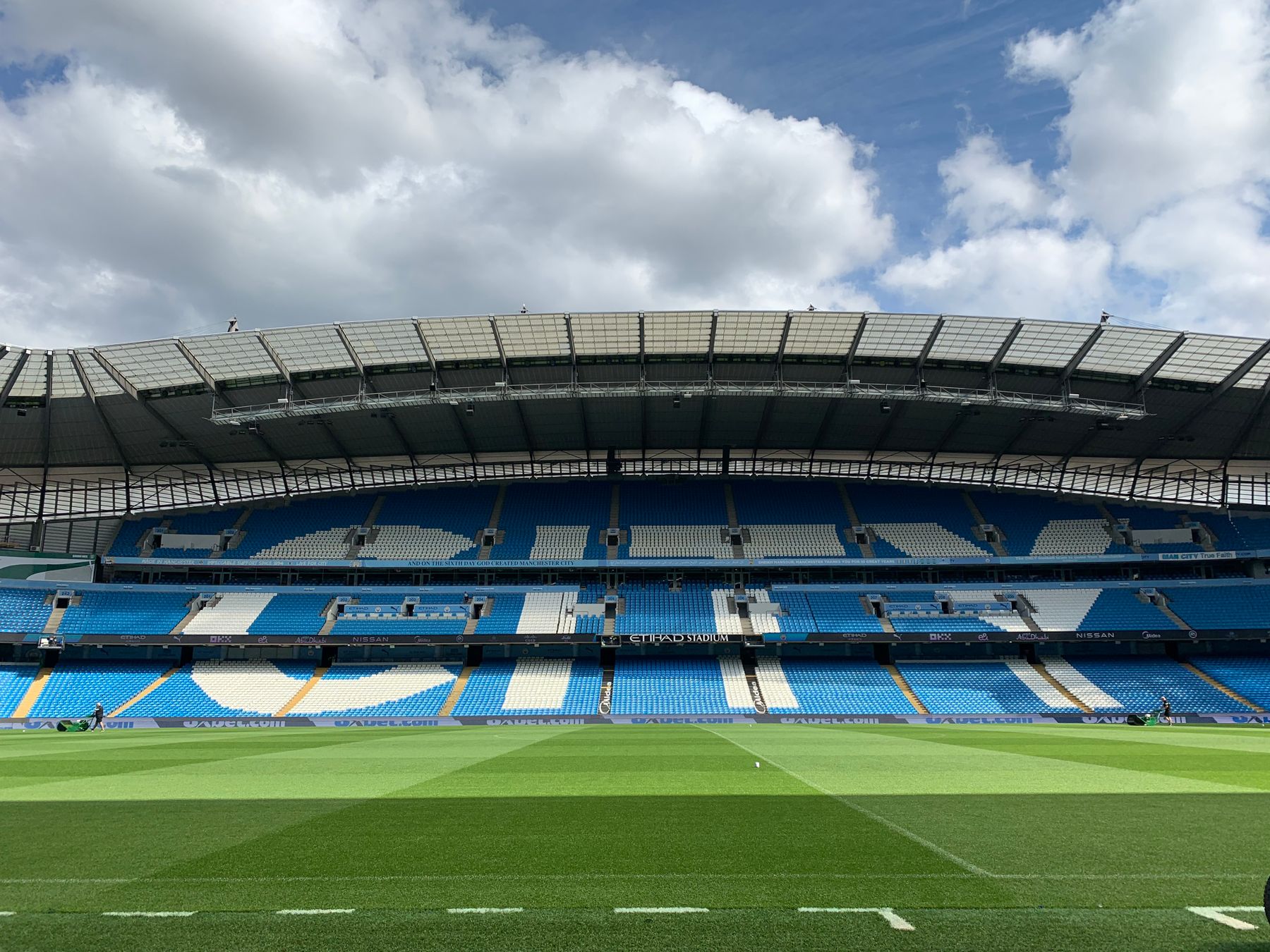
Manchester City Fulham betting begins with a Saturday match at the Etihad Stadium on 21 November at 12:30 GMT. Manchester City meet Fulham there with the home side third in the table. The league table gives the match a familiar shape: City are third with 21 points from 10 games; Fulham are 15th with 10. The recent form inside those totals is less familiar. City won their first seven league matches, then lost three in a row. Fulham have two wins, four draws and four defeats.
Stats Insider’s 16 November update showed Australian Bet365 prices of $1.40 for Manchester City, $4.75 for the draw and $7.00 for Fulham. The 2.5-goal total was priced at $1.50 for over and $2.62 for under. These are Australian decimal odds at one moment and one sportsbook. A UK, European or North American reader may see different prices.
The Manchester City Fulham betting price already contains the bad run
A $1.40 home price says the market still expects City to win far more often than not. The raw implied chance is 71.4%. The draw’s $4.75 translates to 21.1% and Fulham’s $7.00 to 14.3%. Those figures add to about 106.8%, so they are not three clean probabilities. The 6.8 percentage-point excess is the book’s margin.
Removing that margin gives a rough 66.9% City, 19.7% draw and 13.4% Fulham split. The exact normalisation depends on the method, but the direction is clear: the market sees City as roughly a two-in-three favourite despite the three defeats.
That can look contradictory until the opponent and venue enter the calculation. City’s last three results are evidence of vulnerability. They are not a forecast that every future opponent will beat them. The odds also include home advantage, squad quality, Fulham’s own record and the prices available across the market. TopGamb’s overround explainer shows why a bookmaker’s margin should be removed before comparing prices.
Three losses tell us less than the way the next XI is built
The international break interrupts whatever pattern City were carrying into the Fulham match. Players return from different fixtures and travel schedules. A manager’s first-choice midfield may not be able to start the same way after the break, and a wide player who played twice for his country may be held back.
That creates a simple betting question: has the market priced the version of City that will actually play? A short price is most exposed when it assumes a settled attacking shape and the confirmed selection delivers something more conservative. It can also be too cautious if the team sheet restores the structure that generated seven straight wins.
No one should fill in those gaps with a guessed injury report. The official match centre is the place to look for squad information, and the starting team will only become reliable when the clubs publish it. TopGamb’s lineup checklist turns that wait into a usable process.
The total asks a narrower question
At $1.50, over 2.5 goals has a raw implied probability of 66.7%. Under at $2.62 implies 38.2%. Their combined 104.9% is a smaller margin than the result market but still a margin.
A result bet can survive an odd performance. City could win 1-0, 2-1 or 3-0 and the same home-moneyline ticket settles correctly. A total bet requires a more specific shape. It responds to whether one team can create early chances, whether the game becomes stretched and whether the trailing side can bring an attacking substitute into a useful situation.
The first XI offers clues, not conclusions. If both full-backs are asked to play high, the game may have more space behind them. If one side chooses a compact midfield and protects the centre, the same attacking names can produce a slower match. A pre-match formation graphic is less informative than the actual positions after kickoff.
Where the early market is weakest
The headline result is the broadest market and absorbs the most uncertainty. Team totals, first-half goals and player props are tied more tightly to the selection and the manager’s plan. That does not make them better bets automatically. It means their prices can move more when the team sheet appears.
Before betting, write a one-sentence reason that does not depend on the hoped-for result. “City are at home” explains favouritism. It does not explain why $1.40 is a better price than the available alternatives. “Fulham’s defensive shape leaves both central defenders facing runners from midfield” is at least a testable reading of the match.
Then compare the market. If the reason is still present and the price has shortened, the earlier value may already have gone. If the team sheet undermines the reason, the honest decision is no bet. TopGamb’s settlement guide is useful before moving from the result market into scorer or player props, because a selection can win the match and still lose a prop.
A fixed stake is the final check
Set a maximum for the match before looking at live prices. Use a stake small enough that a losing run does not change the next household payment. Cap the number of pre-match or in-play bets in advance as well. A short price can make a larger stake feel less risky; that feeling is exactly why the loss amount needs a separate rule.
TopGamb’s sportsbook account controls can make deposit and loss limits available before kickoff. BeGambleAware offers free support if stopping or setting a limit feels difficult.
For Manchester City Fulham betting, the useful conclusion is not that City are vulnerable or certain. It is that the early 1.40 price and the future starting XI answer different questions. Wait for the selection, restate the bet in one sentence and let the price decide whether the analysis still has value.
Fixture, form and market references
- Premier League: November 2026 fixture amendments
- Premier League: Manchester City v Fulham match centre
- Premier League: Nottingham Forest 3-1 Man City match report
- Fulham: Two November fixtures picked for TV
- Stats Insider: Manchester City v Fulham odds, updated 16 November
- BeGambleAware: Safer gambling information and support


New Casino

Main offer: Recurring weekly and monthly activity rewards plus rakeback; amounts depend on VIP rank and prior play.

Welcome bonus: 150% up to €500 + 50 FS

Welcome bonus: 1st Deposit: 100% up to C$400 + 50 FS

Welcome bonus: First: 100% up to C$700

Welcome bonus: 100% up to C$500 + 180 FS

Welcome bonus: 100% up to C$3,000 + 150 FS
Recent news