Bank of America sees card-pack “rips” as a natural product for sportsbook and iGaming customers. The growth is real; the legal and inventory questions are not settled.

Digital Card Packs Are Turning Sportsbooks Into Slot-Like Aisles

A sportsbook account now has a new aisle that is not a sportsbook or a casino lobby. It sells a sealed digital card pack, reveals the cards inside, then lets the buyer keep the result, have it shipped or sell it back. Bank of America calls the category “rips,” and its analysts think betting operators have good reason to pay attention. The digital card pack market is the new aisle this story follows.
iGaming Business reported the bank’s note on 13 November. FanDuel had announced a partnership with Arena Club, while Underdog and PrizePicks already offered the format. The bank also identified Coinbase, Crypto.com and Betr as companies moving into card packs. The route from a sportsbook balance to a randomised collectible is becoming shorter. The digital card pack price can be fixed, but the value behind it is not.
The demand is not a niche experiment
The figures in the report explain why operators are interested. BofA estimated weekly active users had grown from about 50,000 a year earlier to more than 1.7 million. It put annualised category revenue near $2 billion and annualised gross merchandise value at roughly $13 billion. Weekly transaction volume rose from about $14 million to nearly $250 million over the same period. The digital card pack figures are analyst estimates, not audited totals.
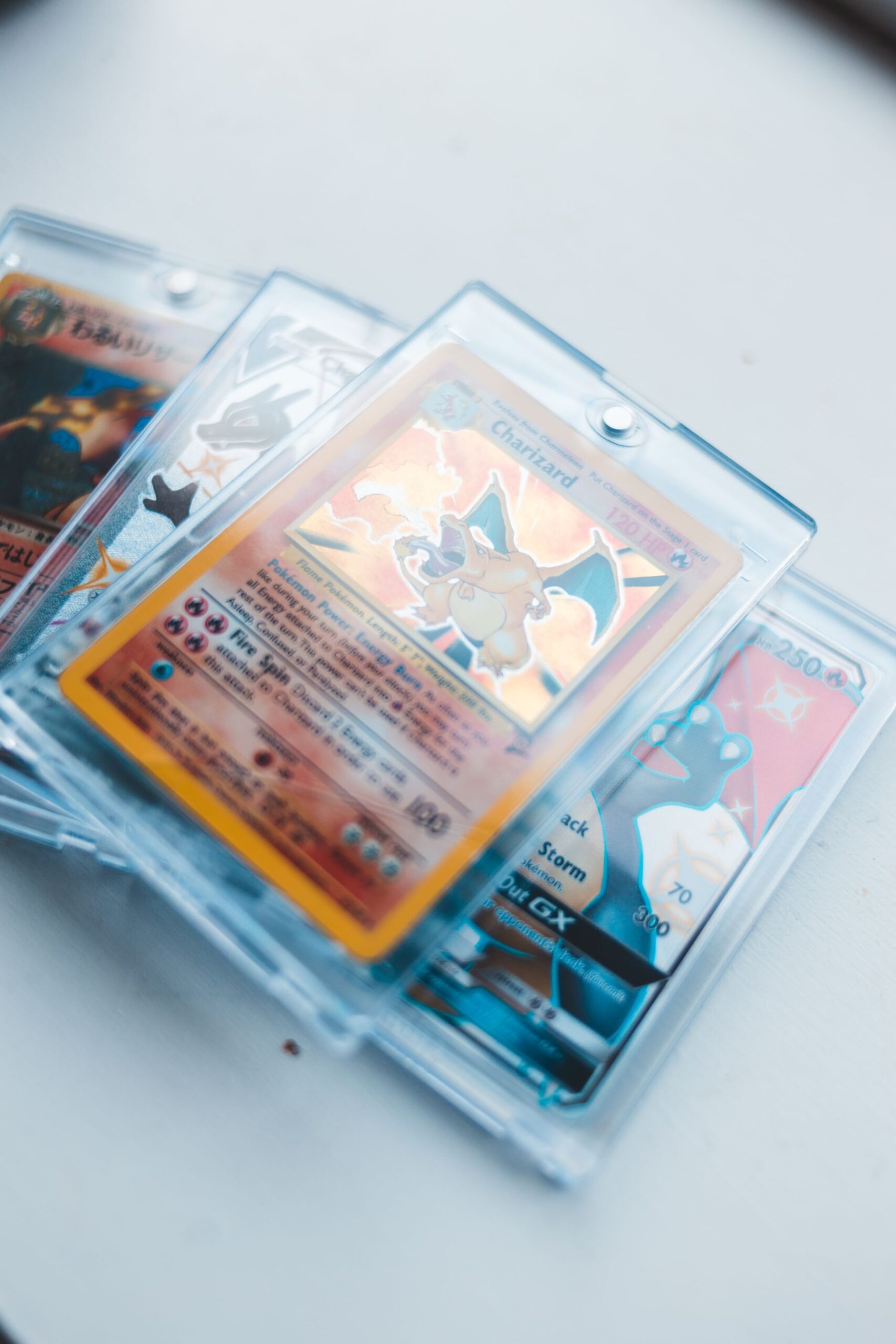
Those are analyst estimates, not audited totals for one company. They still show the scale of behaviour already happening outside conventional gambling products. The mix is broader than sports: the report attributes about 58% of rips to Pokémon cards and 15% to sports cards. Roughly 70% of transaction volume involves packs costing less than $25.
The low price points matter. A user can repeat the action quickly, and the result is vivid enough to discuss, clip and share. That is a different commercial rhythm from buying one card and waiting for delivery.
A digital card pack has a slot-like shape without being a slot
The bank’s comparison to a slot machine rests on the payment-and-reveal mechanism. A customer pays a fixed amount, chance determines the cards received and a rare card supplies the jackpot-like outcome. The operator can then make an immediate offer to buy unwanted cards back. A digital card pack can feel similar because the buyer pays before seeing the result.
This is not simply a casino game dressed as a hobby. Every digital card is supposed to correspond to physical inventory, which creates sourcing, authentication, storage, insurance, delivery and valuation costs. The slot comparison describes the customer experience and initial take rate, not the whole operating model.
BofA estimated a typical initial take rate of 5% to 10%, measured as pack price minus the value of the cards inside. Some apps offer faster exits by buying cards back at around 85% to 90% of fair market value; terms vary, and some platforms advertise full-value repurchases. Those spreads can generate revenue even when the original card has a real resale market.
For readers who know casino economics, the useful comparison is the difference between a product’s designed cost and the price facing the customer. TopGamb’s house-edge guide explains the long-run principle. A pack reveal adds a volatile collectible price and a second liquidity decision after the first random outcome.
The card can be physical while the risk stays digital
Physical backing may help distinguish a card purchase from an abstract bet, but it does not make the value stable. BofA estimated that a 40% fall in inventory value could cut gross profit by about 55%. Trading-card prices had risen roughly fourfold since 2020 and about 60% since January 2025, though the report did not attribute all of that rise to rips. A digital card pack operator also has to finance the inventory.
The inventory also functions as marketing. iGaming Business notes that PrizePicks acquired three NBA Debut Patch cards for more than $13 million. A desirable card can be displayed as proof that the rare outcome exists. It can also become a customer-acquisition cost that another platform has to match.
That creates a familiar tension in any product built around a rare payout. The headline card is easy to remember; the ordinary cards around it are where most of the economic result sits. TopGamb’s progressive-jackpot budget guide makes the same point about chasing an advertised jackpot without accounting for the full session cost.
Regulation has not supplied a clean answer
The legal argument for pack rips is that the customer is buying a physical collectible and randomness decides which one arrives. Critics argue that a paid randomised outcome with a valuable prize can meet the elements of a lottery or gambling product. The report identifies California claims against Whatnot and Fanatics Live alleging that randomised breaks and repacks breach gambling and lottery law. No court or arbitrator had ruled that those formats constitute illegal gambling when the note was written. For a digital card pack buyer, the relevant question is whether the app explains that risk.
That means the category is operating between product categories, not beyond regulation. A state may look at the underlying purchase, the presence of chance, the ability to resell, the operator’s disclosure, the audience and the way the product is marketed. The result can differ from one jurisdiction to another.
Marketing to minors is another visible pressure point. Trading cards have long appealed to children, even when the paid digital product restricts access to adults. A sportsbook or casino group entering the market inherits both the collector audience and the responsibility to keep an adult gambling product away from under-18 users.
For a player, that changes the due-diligence question. It is no longer enough to check whether the operator holds a betting licence. Ask who owns the card inventory, how authenticity is verified, what happens if a stored card cannot be delivered, whether the buyback price is guaranteed and which regulator can hear a complaint. TopGamb’s loss-limit guide is also relevant because the fast reveal can sit beside a deposit balance, saved payment details and push notifications.
The product sells the next reveal
The strongest editorial conclusion is not that every pack opening is a casino spin. It is that operators are deliberately building a bridge between two habits: collecting and repeat wagering. The same account can now hold a sports bet, a casino balance and a card-pack inventory. That convenience reduces the friction between budgets that many households would otherwise keep separate. The digital card pack business is therefore both a collectible market and a fast-spend product.
If the app combines those products, set one overall budget rather than treating the pack shop as a separate hobby allowance. Turn off prompts that invite another reveal after a low-value result. Record the purchase price, resale quote and delivery cost before opening. If the interaction is making it hard to stop, use the operator’s controls and the self-exclusion guidance, or contact a local support service.
What to watch next is concrete: whether sportsbook groups disclose their pack economics, whether state regulators treat the products as sales or gambling, and whether buyback offers remain available when card prices fall. A growing market is not proof that the consumer protection has caught up with it.
Sources and market context


New Casino

Main offer: Weekly bonus and rakeback on every eligible wager.

Welcome bonus: 150% up to €500 + 50 FS

Welcome bonus: 1st Deposit: 100% up to C$400 + 50 FS

Welcome bonus: First: 100% up to C$700

Welcome bonus: 100% up to C$500 + 180 FS

Welcome bonus: 100% up to C$3,000 + 150 FS


