The European Commission’s Digital Fairness Act proposal takes aim at dark patterns, persistent prompts and manipulative personalisation. Gambling licences would remain national.

The EU Wants Casino Interfaces to Stop Working Against the Player

The European Commission’s Digital Fairness Act proposal landed on 11 November with a problem that online casino players will recognise immediately: a service can be legal, disclose its terms and still be designed to keep someone spending after the sensible decision has been made.
The proposal puts a ban on manipulative dark patterns at the centre of a wider update to EU consumer law. It also gives consumers a route to switch off features that can encourage compulsive or excessive use. That matters to casino and sportsbook interfaces because prompts, countdowns, daily rewards and notifications are not decoration added after the gambling product is designed. They are part of the product.
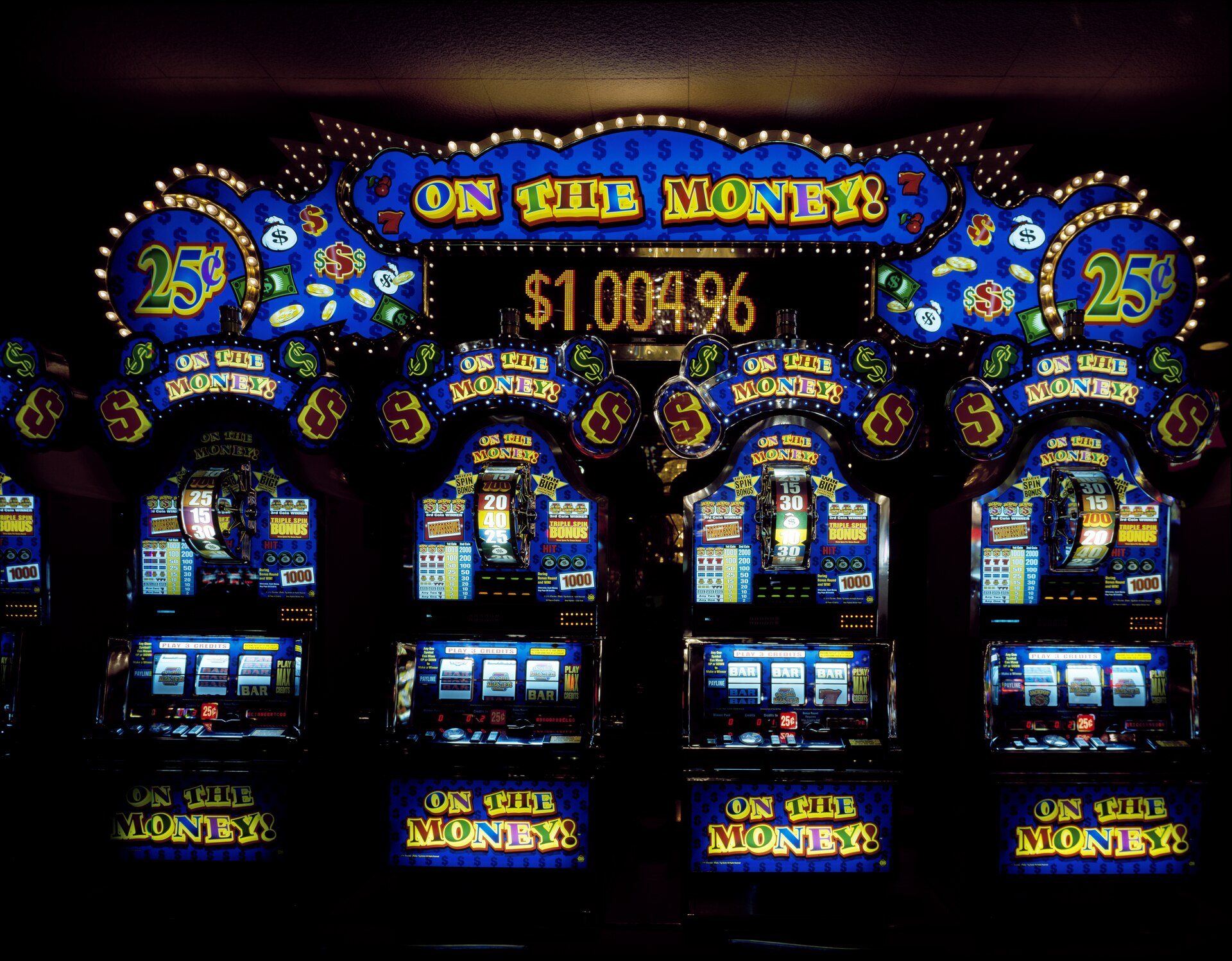
The proposal goes after the interface, not just the small print
The Commission describes the package as a modernisation of consumer protection. Its official release gives fake “almost sold out” claims as an example of a dark pattern and says traders would have to let consumers turn off addictive design features that encourage excessive or compulsive spending. Persistent prompts are named directly.
European Gaming’s analysis of the draft identifies four controls in Article 17: autoplay and uninterrupted content, notifications not triggered by the user’s own activity, rewards for regular engagement or penalties for missed sessions, and simulated interpersonal prompts. Those descriptions align closely with mechanisms used in entertainment products, including an iGaming lobby that rewards a daily login, nudges a player toward an unfinished mission, or creates the feeling of a conversation with a host.
The important limit is that the proposal does not say every casino notification is unlawful. It focuses on products designed, organised or operated in a way intended, or reasonably foreseeable, to encourage compulsive or excessive use. A cashier alert confirming a completed withdrawal is a very different feature from an account that repeatedly manufactures urgency around a bonus.
A national licence is not the end of the consumer question
Gambling licensing stays with EU member states. The proposal does not create a European casino licence or replace national advertising rules. European Gaming notes that the draft has no general exemption for gambling operators: where a casino acts as a trader selling to consumers, the consumer rules can still reach its website, app and campaigns.
That distinction is useful. A regulator can ask whether a game is permitted, a payment method is accepted and an operator has adequate player-protection systems. Consumer law asks a second question: is the way the service presents a choice fair? A bonus page can pass a legal review and still push a player toward a longer session through a timer, a preselected wager or an exit button that disappears below another offer.
The proposal would also label influencer content as advertising, restrict targeting based on sensitive personal data and limit personalised prices where the trader knows a consumer is vulnerable. Licensed gambling businesses would remain subject to narrower national rules, including advertising bans in some markets.
Our guides to bonus urgency and inducements, gambling ad opt-outs and checking a gambling search ad describe the same gap from the player’s side. The licence tells you who can answer for the product. It does not make every prompt neutral.
What the rules would change, and what they would not
The Commission proposes stronger enforcement, including direct EU powers in large cross-border cases and fines of up to 6% of a company’s worldwide annual turnover where the Commission itself investigates. The proposal estimates a consumer saving of up to €13.7 billion a year. That figure is the Commission’s assessment of the package, not a promise that an individual player will recover losses or receive a better bonus.
Nor is this law yet. The proposal still has to pass through the European Parliament and Council. European Gaming reports that, as a regulation, it would apply directly in member states 12 months after entering into force. The final text, exemptions, transition rules and enforcement practice may all change.
For players, the practical test can begin now. Before a session, find the notification switch on the device or in the casino account. Check whether autoplay can be disabled. Read what a “free” wheel or mystery reward actually pays and at what cost. Set the deposit and time limit before the lobby starts producing reasons to stay. If those controls cannot be found, treat that absence as information about the product.
The strongest part of the proposal is not the headline fine. It is the principle that stopping should be as clear as starting. A casino player should not need to navigate three offers, a rotating banner and a persistent host message in order to reach the exit. If a session is already difficult to stop, use a time-out or self-exclusion and contact a local support service; the self-exclusion guide explains the stronger account blocks.
Further Reading
- European Commission: Commission strengthens consumer protection laws
- European Commission: Questions and answers on the Consumer Package
- European Commission: Digital Fairness Act proposal
- European Gaming: What the proposal means for gambling operators
- National Council on Problem Gambling: Help and treatment


New Casino

Main offer: Weekly bonus and rakeback on every eligible wager.

Welcome bonus: 150% up to €500 + 50 FS

Welcome bonus: 1st Deposit: 100% up to C$400 + 50 FS

Welcome bonus: First: 100% up to C$700

Welcome bonus: 100% up to C$500 + 180 FS

Welcome bonus: 100% up to C$3,000 + 150 FS
Recent news


