A roulette table can look simple from the rail, but minimums, chip values, wheel type and round timing affect the experience. Check them before you buy in.

Before You Join a Roulette Table, Check These Four Things

The easiest time to leave a roulette table is before buying chips. From the rail, a game can look like one wheel, one layout and a few obvious bets. In practice, the details that shape a session are printed around the layout: the minimum, the maximum, the wheel variant and the value assigned to table chips.
Take a minute to read them. If anything is unclear, ask the dealer or a floor staff member before exchanging money. A useful question is “What is the minimum total bet, and what value does each of these chips represent?” That answer is more useful than guessing from chip colour.
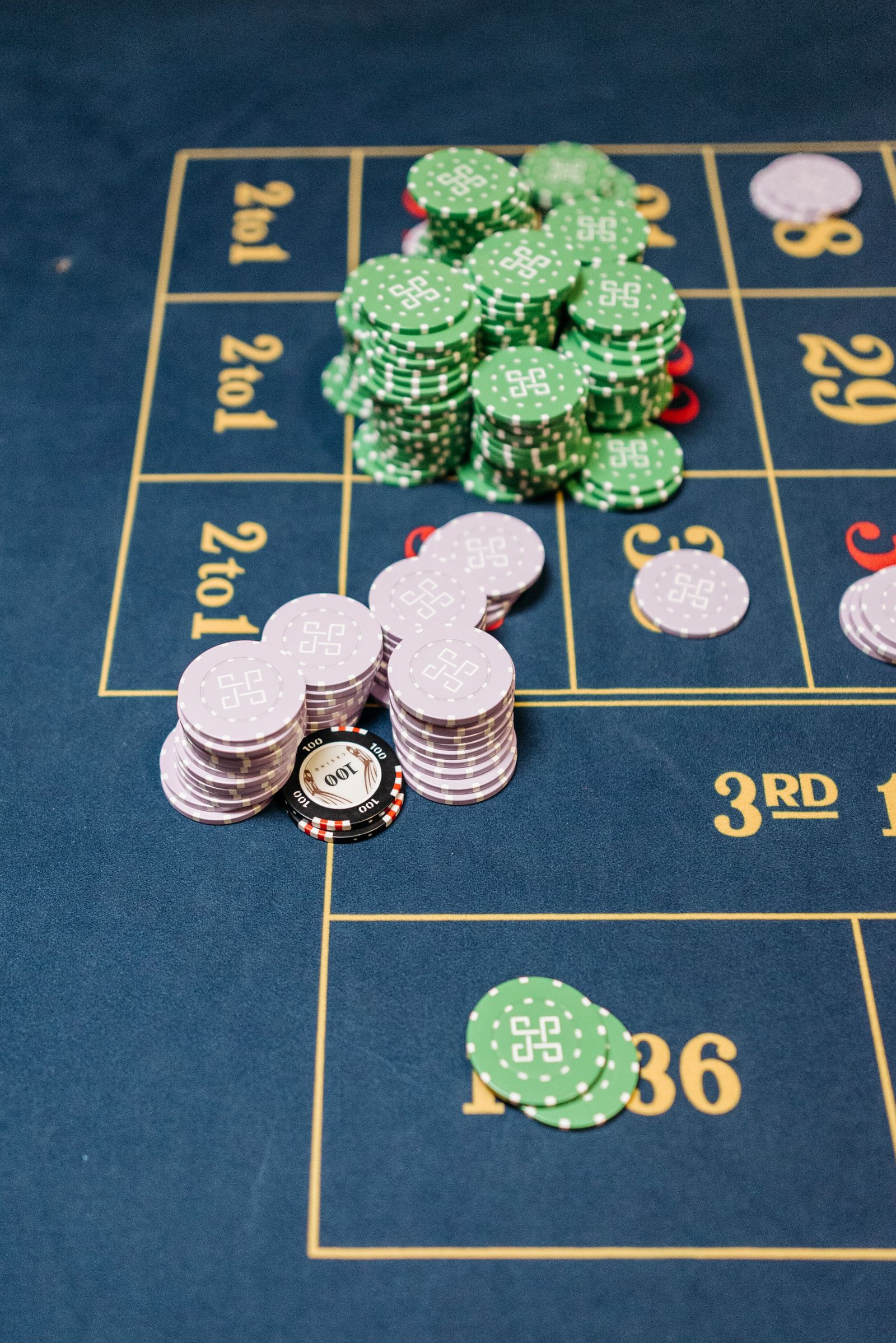
Look at the table before the wheel
Start with the minimum and maximum printed on the layout or displayed at the table. Some venues set different limits for inside and outside bets; others apply one minimum to the total amount on the layout. The distinction matters if you are planning to split a small stake across several squares. TopGamb’s guide to casino table limits explains why those posted amounts can vary.
Then check the wheel. A single-zero European-style wheel has 37 pockets, while the common double-zero American wheel has 38. The extra pocket changes the mathematics, so the wheel type is worth identifying before you sit down. Neither version gives a player a reliable way to predict the next result.
The layout itself can help you get oriented. Outside bets sit on areas such as red or black, odd or even, and ranges of numbers. Inside bets cover individual numbers and smaller groups. TopGamb’s explainers on outside bets and call bets cover how those choices differ; neither changes the house edge created by the wheel.
Ask how chips and rounds work
At many live tables, you exchange cash for chips with a table-specific value. The colour alone may not tell another player what your chips are worth, so keep them within your own betting area. If you are unsure whether a chip is a table token or a standard denomination, ask before placing it.
Watch one round before joining if the table is busy. The dealer will call when betting is open and when no more bets can be made. Once the ball is in motion and the close call has been made, do not reach across the layout or try to add a late chip. Wait for the result and the dealer’s signal to clear the layout.
House procedures differ by venue and online provider. The Singapore regulator’s published rules are one example of formal casino procedures; they are not universal rules for every casino. If a local table’s instructions differ, follow that venue’s approved rules and ask staff rather than assuming the same practice applies everywhere.
Make the budget decision before buying in
Set the amount you are comfortable spending and the time you plan to stay before you exchange cash. Roulette rounds can move quickly, particularly when the game is busy. A clear table limit makes it easier to leave when the budget is used than to decide after a losing run.
Do not raise a stake to chase a number, colour or earlier loss. Results do not become “due” because they have not appeared recently. The live-casino session budget guide and our explanation of the house’s long-run advantage can help put the session in context. A table minimum is not a recommended stake; it is simply the smallest wager the venue accepts.
When the limit is reached, cash out and step away. If the decision to stop is becoming difficult, use a time-out or self-exclusion tool and contact a support service. A busy table is not a reason to keep playing.
A quick walk-up checklist
- Read the table minimum and maximum.
- Confirm the wheel has one zero or two.
- Ask the value of the chips and whether limits vary by bet area.
- Watch a round and wait for the dealer’s open and close calls.
- Set a fixed spending and time limit before buying in.
Once those details are clear, you can decide whether the table fits the session you planned. If it does not, choosing another game or leaving is a complete answer.
References


New Casino

Welcome bonus: 1st Deposit: 100% up to C$400 + 50 FS

Welcome bonus: First: 100% up to C$700

Welcome bonus: 100% up to C$500 + 180 FS

Welcome bonus: 100% up to C$3,000 + 150 FS

Welcome bonus: 1st deposit: 100% up to C$1,000 + 100 FS

Welcome bonus: List of Parimatch Casino Bonuses
Recent news


