Cash-out vouchers let slot players leave a machine without carrying coins, but their expiry periods vary sharply by jurisdiction. Here is what the ticket and rules actually control.

A Slot Voucher Is a Receipt With a Deadline

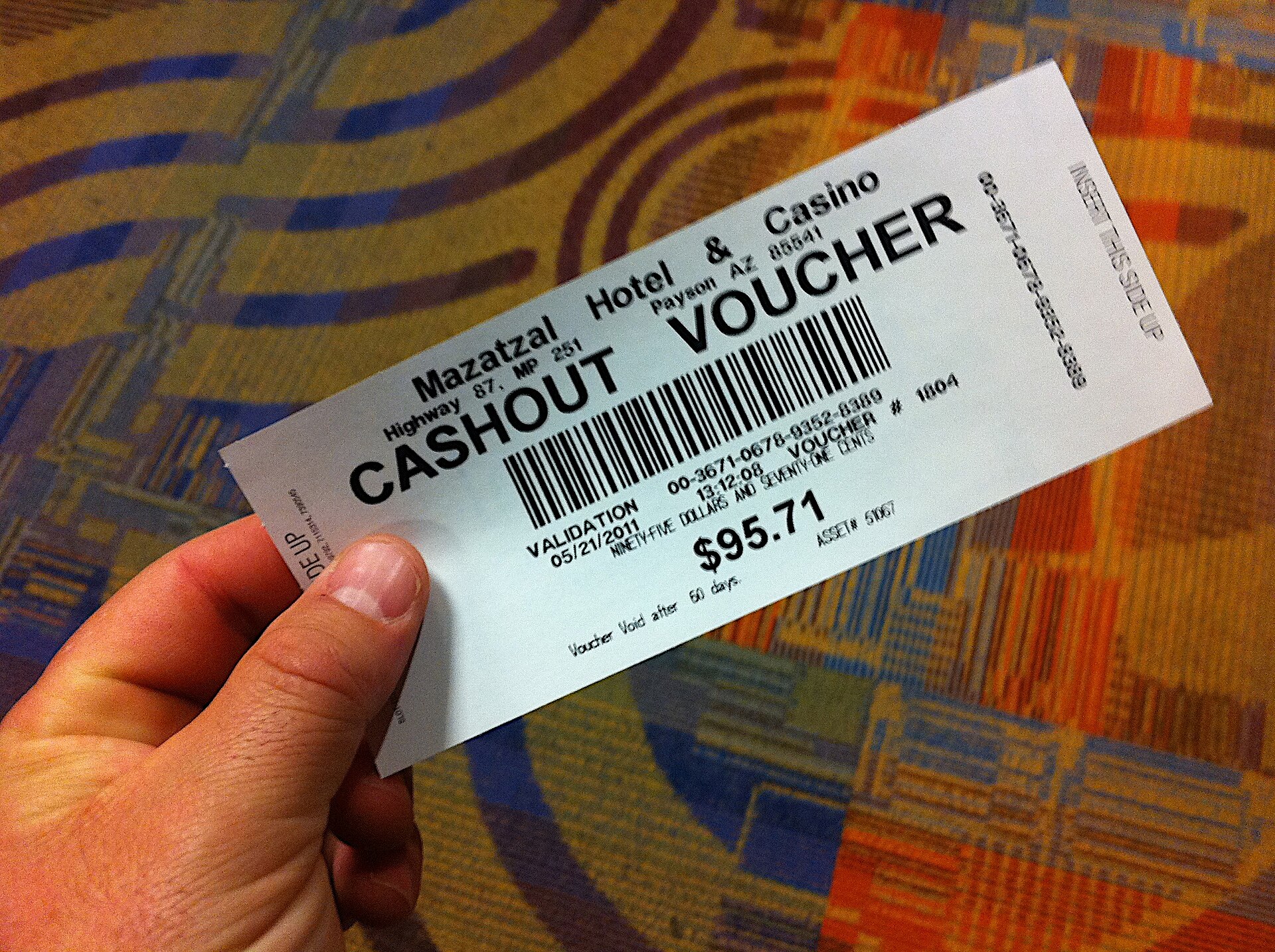
A slot cash-out voucher is the modern equivalent of leaving the machine with a bucket of coins. It records a balance in the casino’s ticket-in/ticket-out system so the player can redeem the amount at another machine or a cashier. The ticket makes the balance portable. It does not make it permanent.
The most useful advice fits on the voucher itself: check the expiry date before folding it into a pocket or putting it in a suitcase. The period is not universal. Nevada limits the obligation to pay at the earlier of the date printed on the voucher or 180 days after issuance for covered receipt and wagering vouchers. New Jersey’s gaming-voucher rule sets a one-year expiry. Colorado’s slot rules specify 120 days, and a casino outside the United States may use another rule altogether.
What the ticket represents
The detailed wording depends on the jurisdiction, but the basic transaction is consistent. When a player presses cash out on a slot machine, the machine may print a voucher for the remaining credits. That record contains a validation number or barcode, the amount and usually the machine identifier or property. The central accounting system can then verify whether the voucher is genuine, already redeemed or expired.
New Jersey’s regulation describes machines and cashiering points issuing or redeeming gaming vouchers connected to an approved central system. A cashier uses the system to verify the validation number, value and any expiry. A voucher is cancelled electronically when redeemed. That is why a screenshot of the paper is not a replacement for the physical ticket or digital record: the system controls the liability.
The voucher also differs from a handpay. A slot attendant may manually pay a larger win because of a machine limit, tax-reporting threshold or property procedure. The resulting paperwork may look similar, but the payment process and legal requirements differ. TopGamb’s slot handpay guide explains that separate route.
Two jurisdictions, two deadlines
Nevada’s Regulation 6 states that covered payout receipts and wagering vouchers expire if they are not redeemed on or before the printed expiry date or within 180 days of issuance, whichever is shorter. The printed date controls when it falls inside that window. It is not a promise that every voucher lasts the full 180 days.
New Jersey’s rule for gaming vouchers sets the expiry at one year from issuance. It also allows a casino to restrict where and at what value a voucher may be redeemed after a specified period, provided patrons receive adequate written notice. The statutory expiry and the property’s redemption instructions therefore need to be read together.
Those examples are not a ranking. They show why “do I have six months to cash this?” is the wrong question. The right question is, “What does this specific ticket say, and which regulator’s rules apply to this property?” Other jurisdictions can use shorter or longer periods, so a voucher from another state or country must be checked against its own rules.
Read the paper and the screen before leaving
A valid voucher normally shows the amount. The less obvious details may include the issue date, expiry rules, barcode, property name and a notice about where it can be redeemed. If the print is faint, ask a slot attendant or cashier to verify it before leaving the property. A ticket that cannot be read may still exist in the system, but the player now depends on staff being able to trace it.
Do not place the voucher on the same machine and continue playing without understanding what happened. The cash-out may have ended the original credit balance. If the voucher is inserted back into a machine as credit, the paper is no longer an untouched receipt; it becomes part of a new session. The slot denomination guide helps readers follow how a displayed credit balance relates to the stake per spin, but the ticket supplies the authoritative record of what was redeemed.
When the voucher is issued, photograph both sides only as a backup. Keep the physical ticket. Save any cashier receipt and check whether the property has a player-account history showing the transaction. A photograph may be useful evidence if the paper is lost, but a casino can have a rule that the original voucher or a formal replacement process is required.
What happens after the deadline
Do not wait until the claim has already expired to ask whether an exception exists. The legal reporting and unclaimed-balance process differs by jurisdiction, and some states have specific procedures after the operator’s obligation ends. A casino employee may be able to verify whether the ticket is still in the system or whether it has been treated as expired. A generic internet answer should not decide a time-sensitive claim.
Ask the cashier or casino accounting office for the exact status and the property’s written rule. Keep the date, time, employee response and any reference number. If the ticket is rejected, request the reason in writing or by email if the property offers that route. The regulator for the gambling location may provide a complaint process, but the acceptable evidence and deadlines belong to the local framework.
Lost vouchers need a separate check. A casino is not obliged to pay anyone who finds a ticket, and a valid paper presented by another person may be treated as a potentially misappropriated record. Report a lost voucher promptly and follow the property’s identification and replacement procedure.
The balance is money with an operating rule attached
The common mistake is to treat a cash-out ticket like cash in a drawer. It has value, but it also has an issuer, a validation record, a venue or network and a deadline. Vouchers that are altered, counterfeit or unreadable may be rejected. The player needs a clear chain from the machine record to the claim.
That is also why a voucher should not be left in a rental car, a hotel room or a coat pocket without a reminder. Put the earliest realistic redemption date in a calendar. Redeem it before the flight home if the property’s network is local. If the amount is significant, separate the voucher from the cash budget and record it before the next session begins.
TopGamb’s explanation of non-negotiable casino chips makes a related distinction: a printed denomination is not always a cash guarantee. A ticket tends to represent an ordinary value balance, while a promotional chip may be wagerable without being redeemable. Read the instrument and the house rules rather than assuming that every value printed by a casino can be treated the same way.
In short, a slot cash-out voucher is a bearer-style record in the casino’s system, not a promise without conditions. The printed deadline is the first thing to check. The regulator and property rules supply the rest. TopGamb’s first-withdrawal test applies the same principle online: prove that the balance can move through the cashier before letting a long session build a large claim.
Keep a fixed gambling budget and treat the voucher as part of that budget, not as a reason for another spin. If gambling is becoming difficult to stop, contact the National Council on Problem Gambling or a local support service.
Rules and support references


New Casino

Main offer: Recurring weekly and monthly activity rewards plus rakeback; amounts depend on VIP rank and prior play.

Welcome bonus: 150% up to €500 + 50 FS

Welcome bonus: 1st Deposit: 100% up to C$400 + 50 FS

Welcome bonus: First: 100% up to C$700

Welcome bonus: 100% up to C$500 + 180 FS

Welcome bonus: 100% up to C$3,000 + 150 FS
Recent news


