When a slot machine shows an error, the picture on the reels is only one part of the record. Meter data, the machine’s state and the local patron-dispute rule determine what happens next.

A Slot Screen Is Evidence, Not Always a Completed Win

A slot machine can stop on a combination, flash a number and still leave the player in an argument about what was won. That sounds counterintuitive. A fruit symbol looks like a fruit symbol, and a credit meter looks like a balance. But the machine is not just a screen. It is an accounting device inside a regulated system, and an error can separate what the display suggests from the outcome its records support. A slot machine malfunction payout claim should start with the deposited wager, the machine state and the available audit record.
The safest way to understand a slot machine malfunction payout is to stop looking for one universal answer. Nevada, Pennsylvania and every other jurisdiction can use different rules and procedures. The physical cabinet, the game rules, the electronic meter history and the regulator’s investigation each play a role.
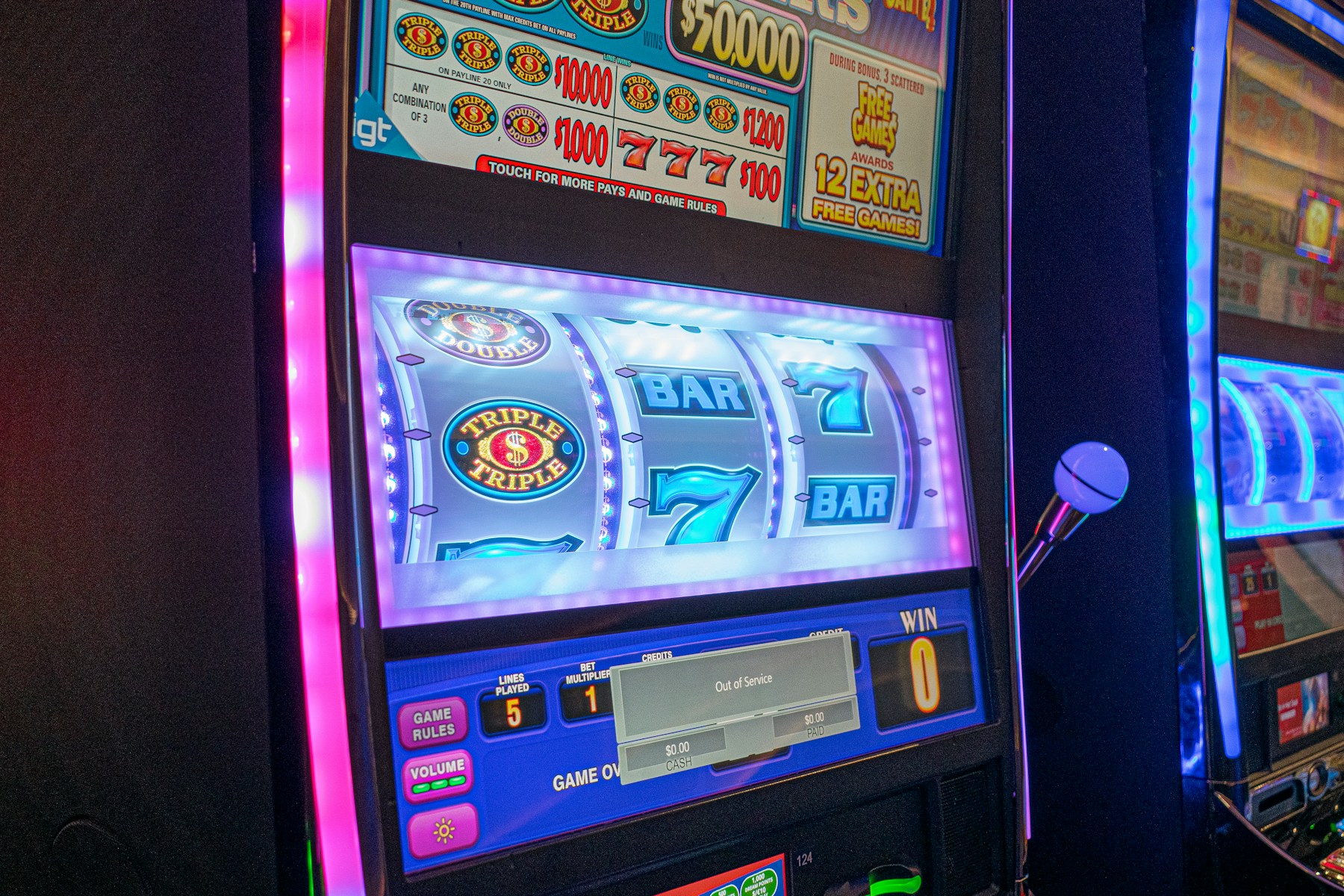
Why a slot machine malfunction payout depends on the meter
Slot machines are required to account for wagering and payment. Nevada’s Technical Standard 2 specifies that gaming devices must have meters recording transactions such as the amount wagered, the amount won and credits paid. It also says those meters must be displayed continuously unless a tilt condition or another malfunction exists. For a slot machine malfunction payout dispute, the attendant should preserve the evidence before resetting or reopening play.
That “unless” is the important part. A frozen, blank or error-bearing display can be evidence that the device is no longer in a normal operating state. Staff may need to inspect the machine before another game can be played or a payment can be completed. The visible reels remain relevant evidence, but they are not the entire ledger.
A player should not try to clear the problem by pressing the service button repeatedly, switching the machine off or starting another game on an adjacent credit balance. Leave the machine as it is and call an attendant. Photograph the screen, the machine number and the time if the property permits it. Ask the attendant to note the exact error message and preserve the electronic record. A slot machine malfunction payout decision may then shift from the gaming floor to the regulator named on the dispute notice.
The dispute becomes more formal when the casino cannot resolve it
Nevada’s patron-dispute framework covers alleged winnings, losses and the way a game is conducted. The Gaming Control Board’s consumer questions and answers explain what happens when the casino and patron cannot agree. The licensee must notify the Board when the disputed amount reaches $500. For a smaller dispute, the patron must be told how to ask the Board to investigate.
The Board then investigates the evidence and decides whether payment should be made. Its published summary says a written decision is issued within 45 days, while a late decision does not remove the Board’s authority over the dispute. That is a consumer procedure, not a promise that the largest number visible on a screen will be paid.
Pennsylvania uses a different route. Its slot-machine rule requires the licensee to try to resolve a patron dispute. If that fails, casino compliance representatives make an attempt. An unresolved complaint can then move to a Board Patron Dispute/Complaint Form, and the Board’s enforcement bureau investigates. The important pattern is common even when the details differ: the regulator can require evidence and make a determination. That record is the foundation of a slot machine malfunction payout complaint, whether the dispute stays internal or becomes formal.
This is why a dispute should not be reduced to “the sign says malfunction” or “the screen says jackpot.” Either sentence may be relevant. Neither settles the claim without the wager record, the game state, the applicable rule and a finding on what happened.
What to preserve before leaving the casino
Write down the property, date, time, machine identifier and the amount you believe is in dispute. Keep your player’s card and any ticket linked to the session. If an attendant gives a reference number, save it. Ask for the property’s written explanation if the machine is taken out of service or the payment is refused.
Do not wait until a later trip to challenge a machine record. Surveillance, meter reports and internal incident logs may be more useful while the event is fresh and the machine remains available for inspection. Ask which regulator covers the casino and how to file a complaint; use the property’s process first if the local rules require it.
TopGamb’s progressive-jackpot-meter guide explains what a meter is measuring. The paytable guide covers the symbols and prizes for a particular game. Neither display replaces the machine’s audit trail when an error is alleged.
A large win can change the paperwork, not the principle
Some wins require a handpay because the amount exceeds an automatic-payment limit, tax-reporting threshold or property procedure. The process can feel like the casino is treating a legitimate result differently. In practice, the extra step is designed to identify the player, record the payment and account for the transaction.
TopGamb’s slot handpay guide explains the difference between a manual payment and a machine malfunction inquiry. A handpay is usually a real win handled through a controlled payment process. A malfunction claim asks whether the displayed outcome is valid in the first place. Those are not the same event.
The casino’s concession and house rules can also set out where disputes go and what evidence the property expects. Our guide to checking a casino concession helps identify who operates the venue. That can matter when a complaint has to be directed to the right regulator.
The practical answer: pause before pressing anything
When a slot machine malfunctions, assume the record is more complicated than the screen. Stop playing, remain at the machine and ask for an authorised employee. Preserve the wager, the displayed message and the machine identity. Request the written rule and complaint route if the dispute remains unresolved. Treat the slot machine malfunction payout question as a process question before treating it as a promised result.
Keep a separate entertainment budget so a disputed result does not become a reason to make another deposit. A machine lock-up is frustrating, but chasing the balance on another cabinet adds a second loss that no dispute proceeding will recover. If gambling is becoming hard to stop, contact the National Council on Problem Gambling or a local support service.
Rules and consumer-support references
- Nevada Gaming Control Board: Patron disputes questions and answers
- Nevada Gaming Control Board: All gaming regulations
- Nevada Gaming Control Board: Technical Standard 2, accounting for gaming devices
- Pennsylvania Code: Slot machine disputes, 58 Pa. Code § 461a.25
- National Council on Problem Gambling: Help and treatment


New Casino

Main offer: Recurring weekly and monthly activity rewards plus rakeback; amounts depend on VIP rank and prior play.

Welcome bonus: 150% up to €500 + 50 FS

Welcome bonus: 1st Deposit: 100% up to C$400 + 50 FS

Welcome bonus: First: 100% up to C$700

Welcome bonus: 100% up to C$500 + 180 FS

Welcome bonus: 100% up to C$3,000 + 150 FS
Recent news


