UK prize draw operators are adopting a voluntary code unevenly, so players should check free-entry routes, card limits and transparency before paying.

Check the Prize Draw Free-Entry Route Before You Pay

A prize draw can feel softer than gambling because the page talks about houses, cars, holidays or gadgets rather than odds boards and casino tables. The money decision can still be very real. If the easiest path is to buy more entries while the free-entry route is buried, the player needs to slow down before paying.
The UK government launched a Voluntary Code of Good Practice for Prize Draw Operators in May 2026. The code is not legislation, but GOV.UK says it is intended to strengthen player protections, transparency and accountability. iGB reported on 14 August 2026 that Rokker’s updated white paper estimated roughly 195 operators had signed the code by late July, less than 20% of the estimated active sector.
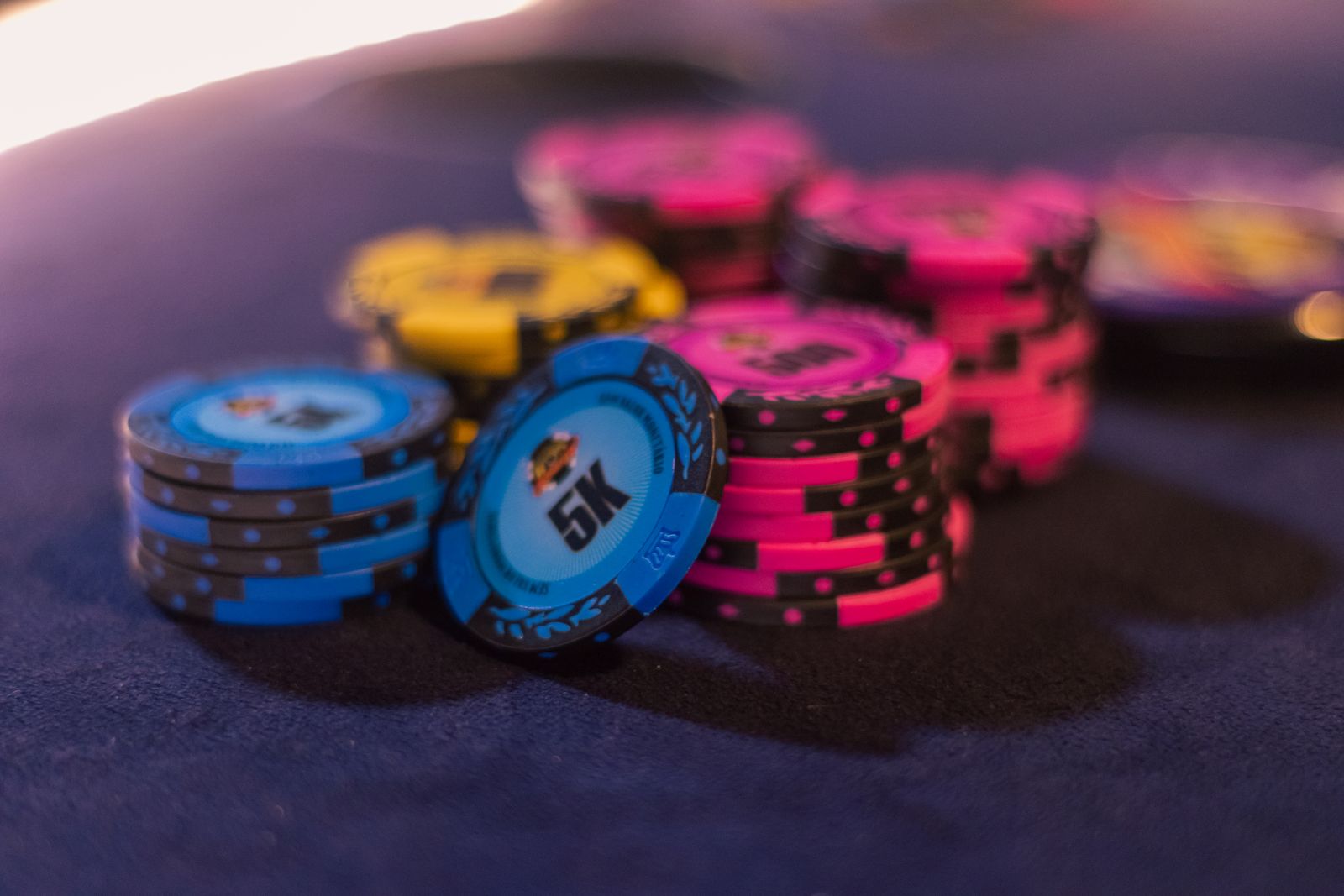
Find the free route before the paid button
The practical test is simple. Before buying entries, find the free-entry method, read the steps and ask whether it is genuinely accessible. A free route that exists only in tiny terms, requires unreasonable friction or appears after the paid checkout has done its work is not player-friendly, even if the operator can point to a clause.
TopGamb readers will recognise the idea from our explainer on alternative methods of entry and our guide to dual-currency sweepstakes casinos. Prize draws are not identical to sweepstakes casinos, but the same user question applies: can you enter without being pushed into spend, and are the rules visible before money leaves your account?
Do not let the prize set the budget
The government launch notice highlighted protections such as transparency on free-entry routes, harm-mitigation measures and a monthly credit-card cap for prize draw entries, with a complete ban on credit-card entries for instant-win competitions under the code. Those are useful signals, but they do not turn a paid-entry habit into a harmless one.
Set a hard monthly amount before browsing prizes. If the operator is not a code signatory, treat that as a reason to read more carefully, not as proof of wrongdoing by itself. Check the operator name, draw close date, number of entries, winner-publication rules, refund policy, charity claims and how complaints are handled. A prize draw that relies on urgency, unclear odds or hard-to-find terms deserves the same scepticism as a pushy gambling promotion.
TopGamb’s guides to gambling ad disclosures, loss limits, self-exclusion and online gambling safety are relevant because repeated paid entries can create the same chase pattern as betting: the next purchase feels like the one that should fix the last miss.
When to walk away
Walk away if the free-entry route is hidden, the prize value is vague, the draw date keeps moving, the operator is hard to identify, or the page makes paid bundles feel like the only serious option. Also step back if you are buying entries because you feel close to winning rather than because the spend still fits an entertainment budget.
A voluntary code can lift standards across a market, but it cannot make the decision for the player. The safest paid entry is the one you would still be comfortable with after losing, without buying another bundle to make the first one feel worthwhile.
References
- GOV.UK: Voluntary Code of Good Practice for Prize Draw Operators
- GOV.UK: Government launches Voluntary Code for Prize Draw Operators
- iGB: Rokker white paper says only 20% of UK prize draw operators have signed voluntary code
Quick Answers
Are UK prize draws regulated like gambling?
No. GOV.UK says prize draws with free-entry routes do not currently require a licence under the Gambling Act 2005, which is why the voluntary code matters.
Is a free-entry route enough by itself?
No. It should be visible, usable and explained before payment. Players should still set a spending limit and check operator transparency.


New Casino

Welcome bonus: Refer a Friend: 10% of the house edge

Welcome bonus: 150% up to €500 + 50 FS

Welcome bonus: 1st Deposit: 100% up to C$400 + 50 FS

Welcome bonus: First: 100% up to C$700

Welcome bonus: 100% up to C$500 + 180 FS

Welcome bonus: 100% up to C$3,000 + 150 FS
Recent news


