Bet behind live blackjack lets a player follow a seated hand when the table has no spare chair. The backer wins or loses with someone else’s decisions, and the rules for doubles, splits and pushes need to be read before staking.

When Every Blackjack Seat Is Full, “Bet Behind” Is a Different Bet

Bet behind live blackjack solves a seating problem: the visible table has no empty chair, but the online lobby can still accept a wager on a hand already in play. The player chooses a seat to follow rather than receiving cards of their own. From that point, winning and losing depend on the hand and decisions of the person in that seat.
It looks like a compact version of blackjack. It is more accurately a wager on someone else’s hand, with separate time limits and settlement rules. Those details are easy to miss when the interface presents the option as another betting circle.
The basic reason to use bet behind live blackjack is capacity. A conventional seven-seat table cannot admit more seated players, while software can let many accounts follow those seven hands. That convenience should not disguise the change in control.
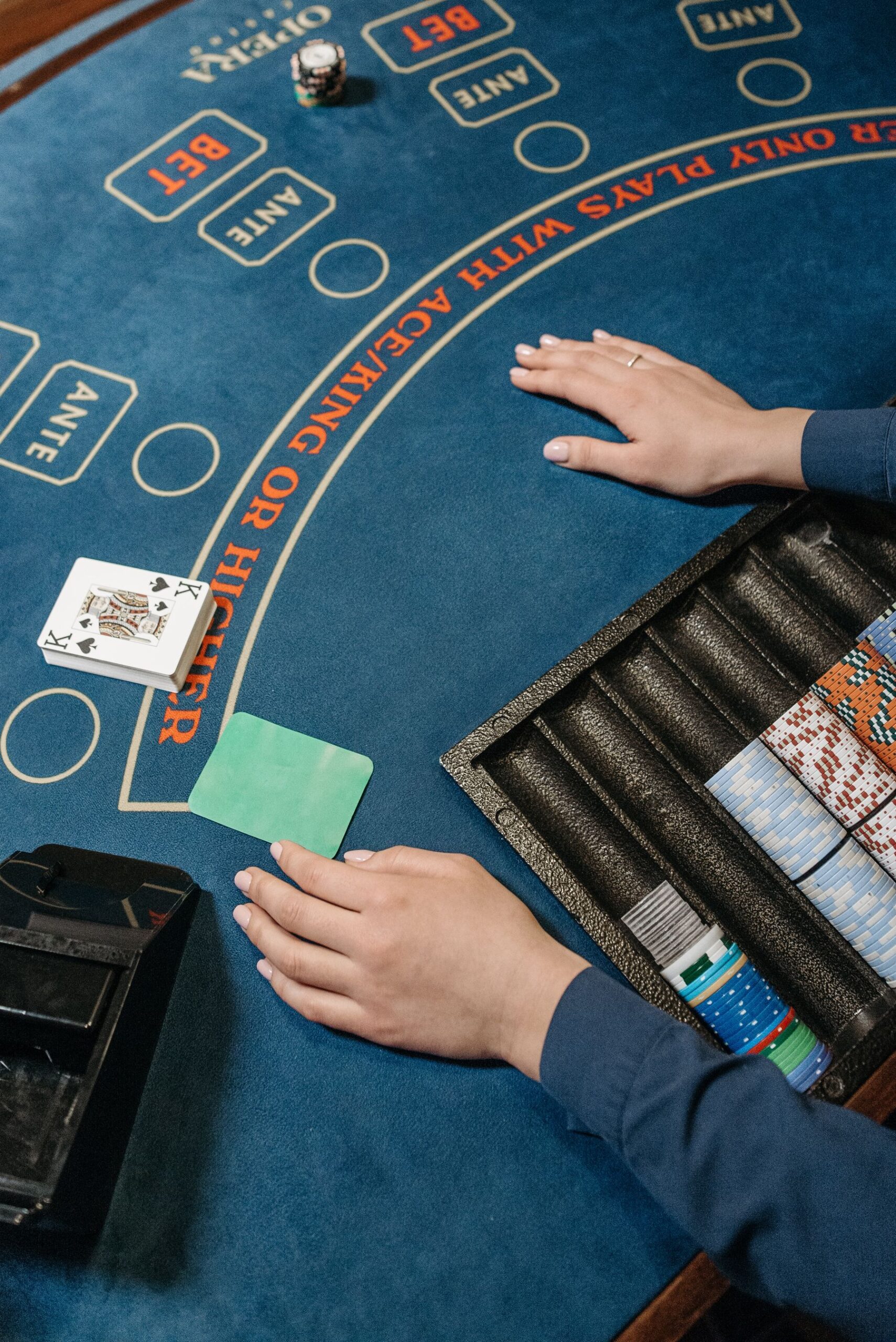
What bet behind live blackjack leaves to the seated player
New Jersey’s rule for bet-behind wagers is unusually direct. A casino may let online players wager on the result of a hand played by a patron seated at a live-dealer table. The bet-behind stake must be placed before the first card of the round is dealt. The wager wins only if the seated patron’s hand wins.
The backer does not choose whether to hit, stand, split or double. The person in the seat does. That makes seat selection a decision about another player’s approach as well as the visible cards. A cautious seat may stand on a total the backer would have hit; a more aggressive seat may split or double a hand the backer would have kept simple.
No amount of watching a “hot” hand turns that into a guaranteed result. Every round begins with a fresh deal and the same house edge structure. The seat’s previous wins are display history, not a forecast.
The backer is not reserving a future seat either. The wager settles with the followed hand and the next round starts again. Operators may allow the player to follow the same seat repeatedly, but the decision has to be renewed before the next deal.
What a backer’s wager follows
The basic relationship is simple: if the followed hand loses, the backer’s wager loses; if it wins, the backer receives the payout prescribed for that product. A push should return the backer’s stake rather than count as a win, but operators must state that rule clearly.
Doubles and splits create the harder questions. Does the backer’s stake follow only the original hand, or does an additional wager appear when the seated player doubles? If a hand is split, which resulting hand does the backer follow? Can the backer choose a specific post-split hand or is the whole position mirrored? How are surrendered hands handled?
The New Jersey rule does not answer every product variation itself. It requires the casino to describe the rules for pushes, splits and double-down wagers. That is a useful standard for the player: if the interface and help page do not make those points clear before the first card, the bet is not yet understood.
The double-down explainer covers why the extra wager changes both exposure and expected outcome. A backer who assumed the initial stake would never increase may be looking at a different cost once a double is offered.
Timing matters more than on a normal seat
The backer has to join the hand before the deal. There is no chance to wait for the dealer’s upcard or the first two player cards and then place a bet behind as the round develops. That removes an apparent information advantage that some first-time users expect.
A live interface may show an open seat, a recommended hand or a countdown to the next round. The backer’s decision is made in that short window. Video delay can make the table appear to be at a different point from the one used by the betting server, so confirm the wager in the interface rather than assuming the picture and the acceptance clock are perfectly aligned.
If the stake is rejected, do not quickly try another seat without checking the account record. If the followed player disconnects or times out, the dealer or table rules will decide the hand. The backer’s contract is with the game, not with the person’s connection.
A “hot seat” is entertainment, not analysis
Some live blackjack products display medals or winning-seat indicators. Evolution has described a party-style table where players can see score indicators for seats on a winning run. Those features help fill a social table and give spectators something to discuss. They do not change the next random deal.
Seat selection may still matter for one practical reason: the followed player’s decisions determine the hand. Someone who understands basic strategy may produce a different experience from a player who frequently makes unusual choices. Skill does not eliminate the house edge, and it does not make another person’s winning streak predictive.
The useful question is not “who is hot?” but “whose decisions am I willing to follow, and what exactly happens if the hand doubles or splits?” If the player cannot answer both, bet behind is just a less visible way to gamble.
Infinite Blackjack is a different solution
Bet behind should not be confused with Infinite Blackjack. Evolution describes Infinite Blackjack as a game where many players are dealt the same opening two-card hand, then make their own decisions and finish with different results. Bet behind uses a real seat and that player’s single decision path.
The distinction is practical. A backer gives up control. An Infinite Blackjack player keeps the hit, stand, split and double choices within the product’s rules. Neither format removes variance or creates a profitable strategy by itself. They solve a capacity problem in different ways.
The comparison also explains why one live blackjack lobby can contain several products that look similar. The table name, maximum seats, betting limits and decision rules matter more than the broad label “live blackjack”.
Bet behind live blackjack also differs from a spectator mode. Watching a round costs nothing and creates no settlement. A bet-behind stake creates a financial result before the cards are dealt. The interface should make that transition unmistakable.
The clearest benefit of bet behind live blackjack is access to a full table without suggesting that the follower has more information than the seated player.
Stake behind the sort of hand you can afford
Start with the table minimum and multiply it by every possible added wager the rules allow. A backer may be comfortable with one stake but not with a double, a split or a side bet. The table-minimum guide and online table-limits explainer help turn the headline number into a session cost.
Optional side bets are separate products with their own payouts and variance. TopGamb’s side-bet guide explains why a lucky-looking extra wager should not be treated as protection for the main hand.
Set the maximum number of hands before sitting behind the table. A full table can create a steady rhythm that feels social and low-cost while the repeated stakes accumulate. Use a loss limit or time limit in the account and keep an external budget as well.
Bet behind live blackjack is best understood as delegated decision-making. The banker still deals, the seated player still acts and the backer still carries the result. Follow a hand only when the rules, extra-wager treatment and cost are clear. If the table is full but the terms are not, waiting for a seat is the cheaper decision.
Primary rules and responsible-play support


New Casino

Main offer: Recurring weekly and monthly activity rewards plus rakeback; amounts depend on VIP rank and prior play.

Welcome bonus: 150% up to €500 + 50 FS

Welcome bonus: 1st Deposit: 100% up to C$400 + 50 FS

Welcome bonus: First: 100% up to C$700

Welcome bonus: 100% up to C$500 + 180 FS

Welcome bonus: 100% up to C$3,000 + 150 FS
Recent news


